

A/C Accumulator Replacement Guide for the 1979-1987 GMC K3500
Keep your classic GMC's A/C blowing cold by understanding when and how to replace your A/C accumulator.
- Always replace the accumulator and orifice tube when the A/C system is opened for any major service, especially a compressor replacement.
- Symptoms of failure include poor cooling, rattling noises, visible leaks, and musty smells from the vents.
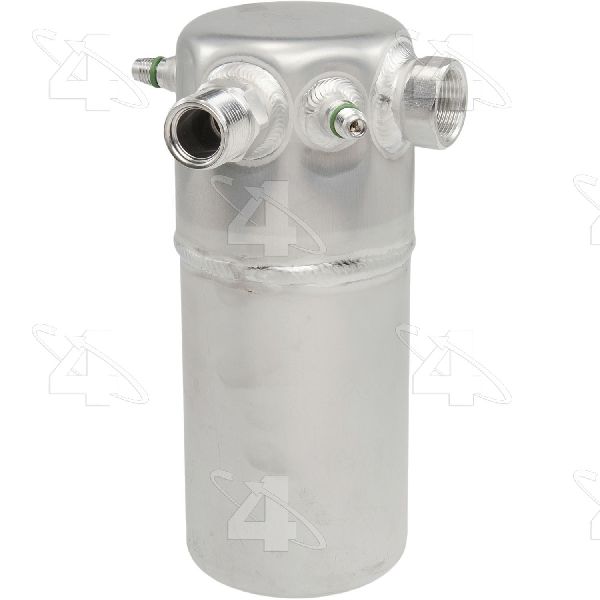
- Aftermarket brands like Four Seasons and Spectra are reliable choices for this part on a K3500.
- While you can replace the part yourself, a professional with specialized equipment must evacuate and recharge the system.
Symptoms of a Bad A/C Accumulator on Your K3500
When an A/C accumulator starts to fail, it can cause several noticeable problems. Being aware of these signs can help you diagnose the issue before it leads to more expensive repairs, like a failed A/C compressor.
- Poor Cooling: The most common symptom is air from the vents that isn't as cold as it should be. A clogged or saturated accumulator can restrict refrigerant flow, reducing the system's efficiency.
- Rattling Noises: You might hear a rattling or clinking sound from the engine bay when the A/C is on. This can indicate that internal parts of the accumulator have broken loose due to corrosion or damage.
- Visible Refrigerant Leaks: If you see oily residue on or around the accumulator, it could be leaking. These leaks release refrigerant and oil, which will eventually cause the A/C system to stop working entirely.
- Moldy or Musty Smell: While a musty smell can sometimes come from the evaporator, a leaking accumulator can also introduce moisture into the system, leading to the growth of mold and an unpleasant odor from the vents.
Important Note on A/C System Repairs
Anytime the A/C system is opened for a repair, like replacing a compressor or hose, the accumulator must also be replaced. The desiccant inside absorbs moisture from the air very quickly, and once the system is opened, the accumulator is considered saturated and can no longer protect the system. Failure to replace it can void the warranty on a new compressor.
Choosing an Aftermarket A/C Accumulator
For a classic truck like the 1979-1987 K3500, aftermarket parts are the most common and affordable option. Original OEM parts are likely discontinued and hard to find. The quality of aftermarket brands can vary, but for a component like an accumulator, most reputable brands offer a reliable product. The key is proper installation, including replacing O-rings and ensuring the system is properly evacuated and recharged.
Here's a general breakdown of the available brands:
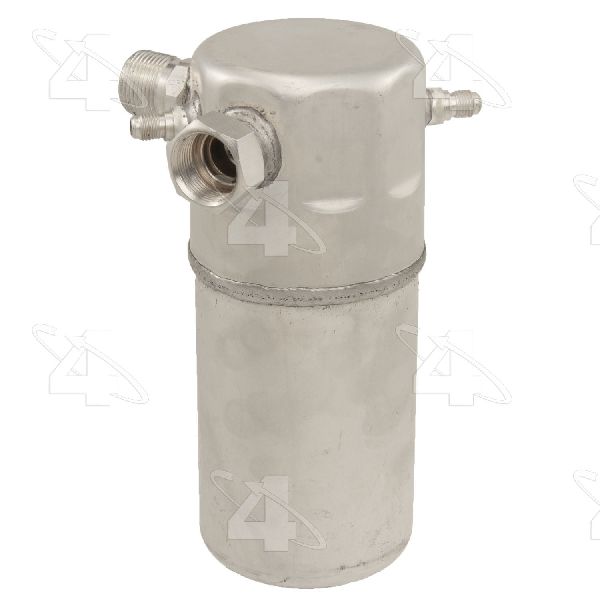
- Four Seasons: A widely available and generally trusted brand in the aftermarket A/C parts world. Forum discussions show that users have had good experiences with their new (not remanufactured) components, noting good quality and fitment.
- Spectra Premium: Another well-known aftermarket brand. In direct comparisons, users often consider Spectra and Four Seasons to be of similar quality.
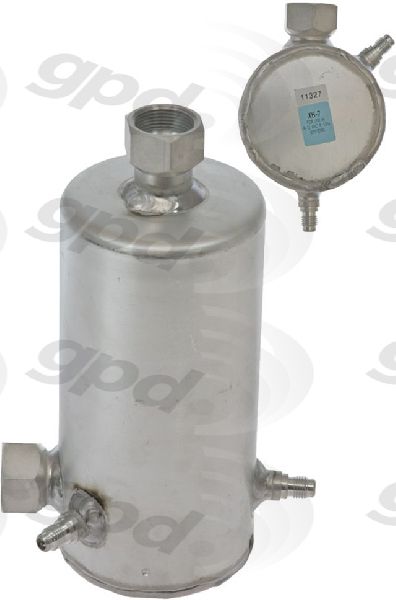
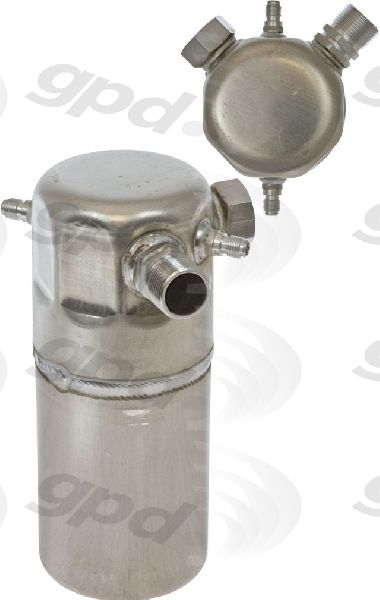
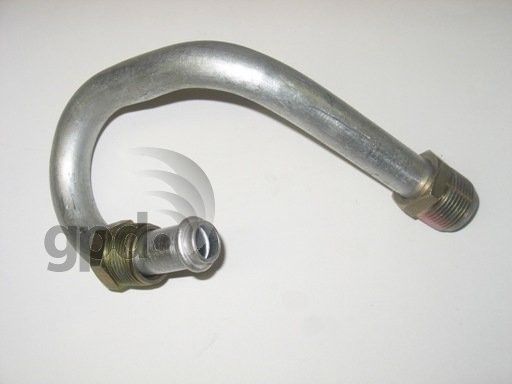
- Global Parts Distributors (GPD): This is another option in the aftermarket space. While some users report success, others have mentioned component failures, such as a failed compressor clutch after a year.
Pro Tip: When replacing the accumulator, it is also mandatory to replace the orifice tube. This small, inexpensive part filters debris and regulates refrigerant flow. A clogged orifice tube can mimic the symptoms of a bad accumulator and cause system damage.
Estimated Replacement Costs
The cost to replace the A/C accumulator on your K3500 will depend on whether you do the work yourself or hire a professional. The part itself is inexpensive, but the labor involves specialized equipment.
| Item | Estimated Cost |
|---|---|
| New Aftermarket A/C Accumulator | $16.13 - $45.18 |
| Shop Labor (including system evacuation & recharge) | $150 - $300 |
| Total Professional Replacement | $166 - $345 |
Note: Labor costs can vary significantly by location. A/C work requires specialized equipment to safely recover and recharge refrigerant.
Frequently Asked Questions
Can I replace the A/C accumulator myself?
Physically replacing the accumulator is straightforward for someone with basic mechanical skills. However, the A/C system must be legally and safely evacuated of refrigerant before starting and then properly vacuumed and recharged after the new part is installed. This requires specialized equipment, so most DIYers will replace the part themselves and then take the truck to a shop for the evacuation and recharge service.
Do I have to replace the accumulator if I replace my A/C compressor?
Yes, absolutely. Replacing the accumulator and orifice tube is required whenever you replace the compressor or open the system for any major repair. The accumulator's desiccant absorbs moisture, and it can become saturated within hours of being exposed to open air. Not replacing it will lead to premature failure of your new compressor and will void its warranty.
What is the desiccant inside the accumulator?
The desiccant is a material, usually stored in a bag inside the accumulator, that absorbs and holds moisture. Moisture in an A/C system is very damaging; it can mix with refrigerant to form corrosive acids and can freeze, causing blockages. The desiccant is essential for the long-term health of the A/C system.
Are there any recalls on the 1979-1987 GMC K3500 A/C system?
A search of the National Highway Traffic Safety Administration (NHTSA) database did not show any specific recalls related to the A/C accumulator for the 1979-1987 GMC K3500. Recalls for vehicles of this age are rare.
Technical Specifications
The A/C system on these trucks is an orifice tube style system, which requires an accumulator on the low-pressure side. The accumulator contains a desiccant bag to absorb moisture. It must be replaced anytime the system is exposed to the atmosphere.
We Have This Part in Stock

The information in this article is provided for general reference and educational purposes only. Vehicle specifications, procedures, and part compatibility can vary by production date, trim level, and region. Always consult your vehicle's factory service manual and verify part numbers before purchasing or performing repairs. Safety-critical components such as airbags, seat belts, and braking systems should be installed by a qualified professional.