

Choosing the Right New Alternator for Your 1979-1987 GMC K3500
Keep your classic GMC's electrical system running strong with the right new alternator.
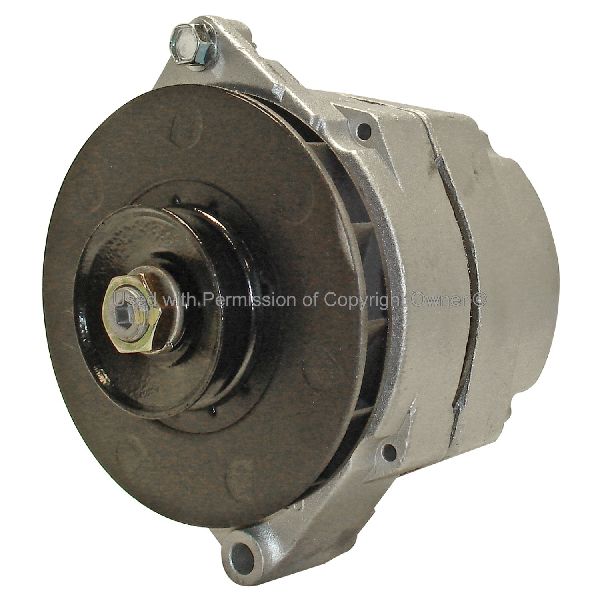
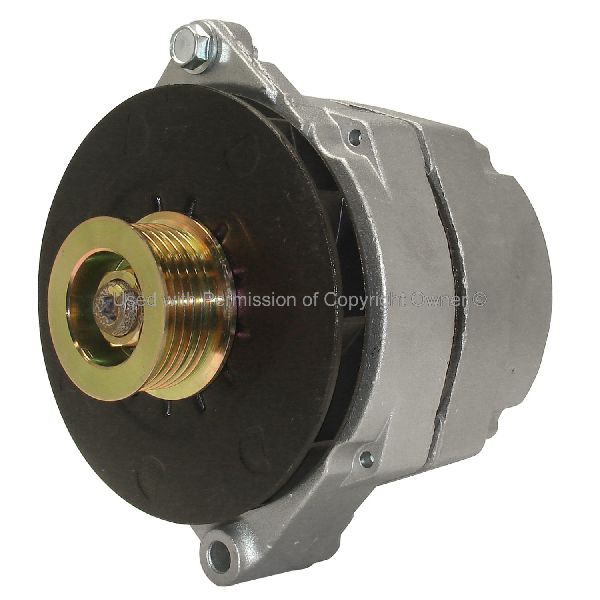
- The original Delco-Remy 10SI and 12SI alternators are easily replaced with modern, more reliable aftermarket units.
- For a stock truck, a 63-78 amp alternator is sufficient; for trucks with added accessories like lights or a winch, upgrade to a 100+ amp model.
- Replacing the alternator on a 'square body' GMC is a simple DIY job requiring basic tools and about an hour of time.
- When upgrading to a high-output alternator, it is critical to also upgrade the main charge wire to a heavier gauge to handle the increased electrical load safely.
Is Your K3500 Alternator Failing?
On a 1979-1987 GMC K3500, the signs of a failing alternator are usually straightforward. Because these trucks have simpler electrical systems than modern vehicles, you're more likely to notice the symptoms directly. Pay attention to these common signs:
- Dim or Flickering Headlights: This is one of the most common and noticeable signs. If your headlights seem weak, especially at idle, and then brighten up when you rev the engine, your alternator is likely struggling to produce enough power.
- Battery Warning Light: Your dashboard might have a "BATT," "ALT," or "GEN" light. If this light comes on and stays on while driving, it's a direct warning that the charging system has a problem.
- Whining or Grinding Noises: Unusual noises from the front of the engine can point to a bad alternator. A whining sound often indicates a failing bearing inside the alternator, while a grinding noise suggests more severe internal damage.
- Dead Battery or Difficulty Starting: While a dead battery can be due to the battery itself, a failing alternator is a common cause. If the alternator isn't recharging the battery, you'll eventually drain all its power, leading to a no-start situation.
OEM vs. Aftermarket Alternators for a Square Body GMC
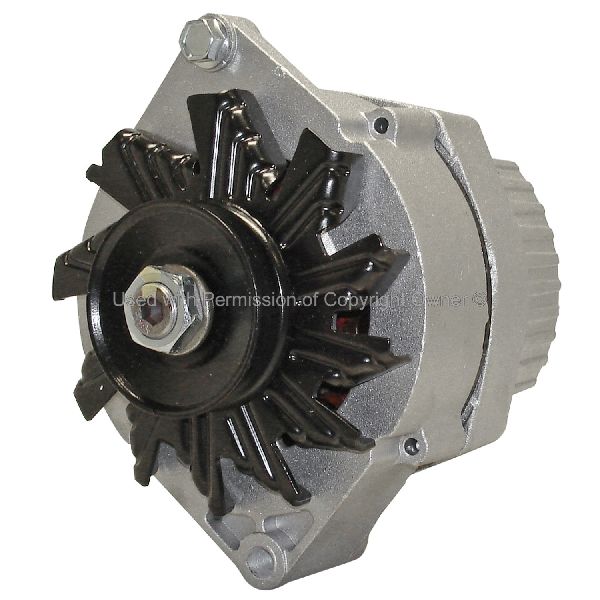
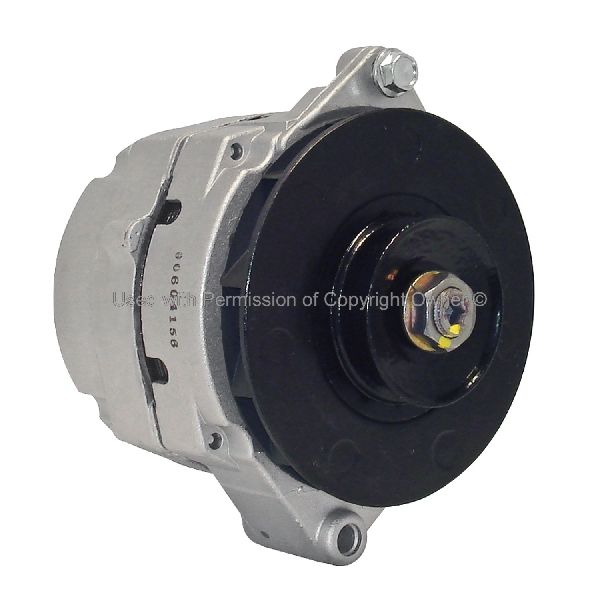
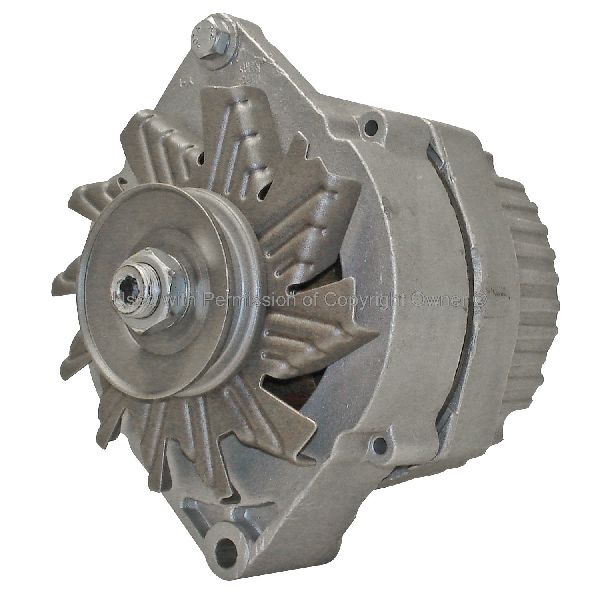
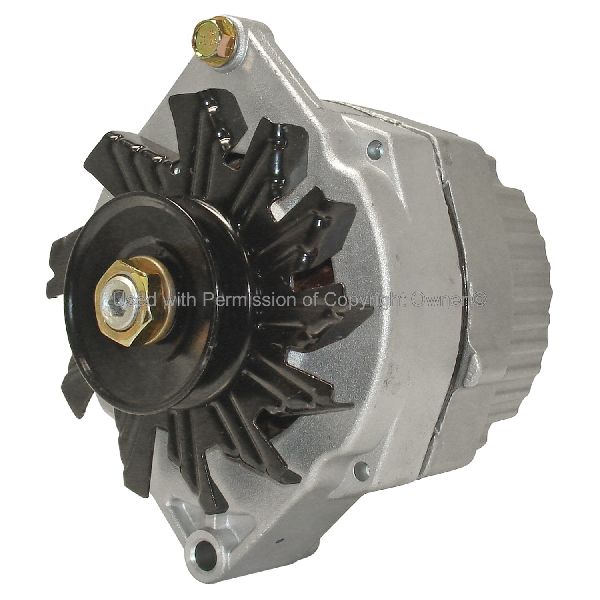
For a vintage truck like the 1979-1987 K3500, new OEM (Original Equipment Manufacturer) parts are often unavailable or extremely expensive. The original alternators were typically Delco-Remy 10SI or 12SI models. Fortunately, the aftermarket offers a wide range of reliable and affordable options that meet or exceed original specifications.
Aftermarket brands like Bosch and Remy (a successor to Delco-Remy) have a strong reputation for producing high-quality parts that are direct-fit replacements. Brands like WAI Global, BBB Industries, and MPA offer solid, budget-friendly choices for a stock truck. For owners who have added electrical accessories like winches, extra lights, or powerful stereos, a high-output alternator from a brand like Powermaster or Proform is a smart upgrade.
Pro Tip: Check Your Amperage Needs
The original alternators for these trucks came in various outputs, from as low as 37 amps to 78 amps or more. If you're just running a stock truck, a standard 63-78 amp replacement is usually sufficient. However, if you've added any modern electronics, calculating your total amperage draw and choosing a higher-output alternator (e.g., 100+ amps) will prevent electrical issues and ensure reliability. Upgrading the main charge wire to a heavier gauge (like 6-gauge or 4-gauge) is highly recommended when installing a high-output alternator to handle the extra current safely.
Known Issues, Recalls, or TSBs
Searches for official recalls and Technical Service Bulletins (TSBs) for the 1979-1987 GMC K3500 alternator did not yield any specific, active results for this model year range. Recalls found were for much newer (2010, 2019-2020) or unrelated models. The charging systems on these "square body" trucks are known for their simplicity and reliability. Most issues stem from normal wear and tear on components like the alternator itself, the voltage regulator (which is internal on SI-series alternators), or wiring connections that have become corroded or loose over decades of use.
| Part Type | Price Range |
|---|---|
| New Aftermarket Alternator | $47.74 - $262.86 |
| Remanufactured Alternator | $50 - $150 |
| High-Output Aftermarket Alternator | $150 - $300+ |
Frequently Asked Questions
Do I need a high-output alternator?
If your K3500 is stock with no extra electrical accessories, a standard output (63-78 amp) alternator is fine. If you have added off-road lights, a winch, a large stereo system, or other power-hungry accessories, you should upgrade to a high-output alternator (100 amps or more) to keep your battery charged and prevent damage to your electrical system.
What's the difference between a 10SI and a 12SI alternator?
The 12SI was the successor to the 10SI and is generally considered an upgrade. It offers better cooling and was available in higher amperage ratings (up to 94 amps, compared to the 10SI's max of 63 amps). They share the same mounting dimensions, making a 12SI a simple, bolt-on upgrade for a truck that originally had a 10SI.
Is it hard to replace the alternator on a 1979-1987 K3500?
No, this is a relatively easy job for a DIY mechanic. The alternator is typically easy to access at the top of the engine. The process involves disconnecting the battery, loosening the belt tensioner, removing the belt, disconnecting a couple of wires, and unbolting the alternator. Basic hand tools are all that's required.
What is a 'one-wire' alternator?
A one-wire alternator is a modification that simplifies wiring by only requiring the main battery charge wire to be connected. The voltage regulator is self-exciting, meaning it turns on automatically once the engine reaches a certain RPM. Many aftermarket alternators, especially high-output models from brands like Powermaster, can be set up this way for a clean installation.
Technical Specifications
The original alternators were typically Delco-Remy 10SI or 12SI models. The 10SI was produced with outputs up to 63 amps, while the upgraded 12SI offered better cooling and outputs up to 94 amps. Both models feature an internal voltage regulator and share the same physical mounting points, making them interchangeable.
We Have This Part in Stock

The information in this article is provided for general reference and educational purposes only. Vehicle specifications, procedures, and part compatibility can vary by production date, trim level, and region. Always consult your vehicle's factory service manual and verify part numbers before purchasing or performing repairs. Safety-critical components such as airbags, seat belts, and braking systems should be installed by a qualified professional.