

Engine Coolant Bypass Hose: A Guide for the 1979-1987 GMC K3500
Prevent engine damage in your classic GMC truck by addressing this small but critical cooling system component.
- The bypass hose is critical for preventing engine hot spots and must not be blocked off.
- Symptoms of failure include visible leaks, a sweet coolant smell, and engine overheating.
- Quality aftermarket hoses from brands like Gates or Continental are excellent replacements; pay close attention to fitment by comparing the new hose to the old one.
- Due to the age of the vehicle, if one hose has failed, it is wise to replace all coolant hoses and clamps as preventative maintenance.
Is Your K3500's Engine At Risk? Symptoms of a Failing Bypass Hose
A failing coolant bypass hose is more than just a minor leak; it's a warning sign of potential engine overheating. Because these hoses are made of rubber and constantly exposed to heat and pressure, they will degrade over time. If you notice any of these signs, inspect your hoses immediately.
- Coolant Leaks: This is the most obvious symptom. You may find puddles of green, orange, or pink fluid under the front of your truck. A small leak can leave white or rusty-colored residue on the hose or engine components.
- Engine Overheating: If the hose fails completely, the rapid loss of coolant will cause your engine's temperature gauge to climb into the red. This is a critical situation that can lead to severe engine damage.
- Sweet Smell: Antifreeze has a distinct sweet odor. If you smell it in or around your engine bay, it's a strong indicator of a coolant leak, even if you can't see it.
- Low Coolant Light: A constantly dropping coolant level that requires frequent top-offs will often trigger the low coolant warning on the dashboard.
Check Hoses By Hand (When Cool)
After the engine has cooled down completely, squeeze the bypass hose. If it feels excessively hard, brittle, spongy, or soft, it should be replaced, even if it's not actively leaking. Swelling or bulges are signs of imminent failure.
Choosing the Right Aftermarket Bypass Hose
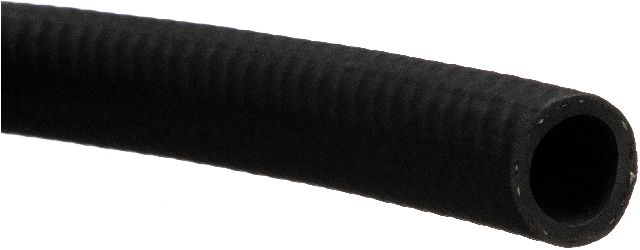
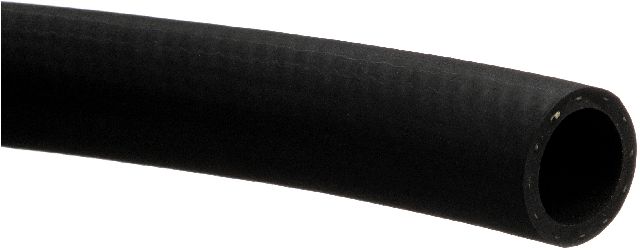
For a vehicle from this era, finding a New Old Stock (NOS) OEM hose is unlikely and often unnecessary. Modern aftermarket hoses are made from EPDM rubber, a material that is generally more durable and resistant to heat and oil than the original 1980s parts. The most important factor when choosing an aftermarket hose is fitment. An improperly shaped hose can kink, restricting flow, or fail to seal properly.
Brand Quality Tiers
- Premium Quality (Gates, Continental): Gates is a widely respected brand often considered an OEM-quality benchmark. Forum users frequently report good experiences with Gates' fit and material quality. Continental is another top-tier brand known for its durable rubber products. For peace of mind and the most reliable fit, choosing one of these brands is a smart investment.
- Standard Quality (Dayco): Dayco is a well-known brand that offers a more budget-friendly option. While many users have had success with Dayco hoses, they have a more mixed reputation for fitment. Some have reported issues with hoses not sealing correctly or having slightly incorrect bends.
Match the Bends
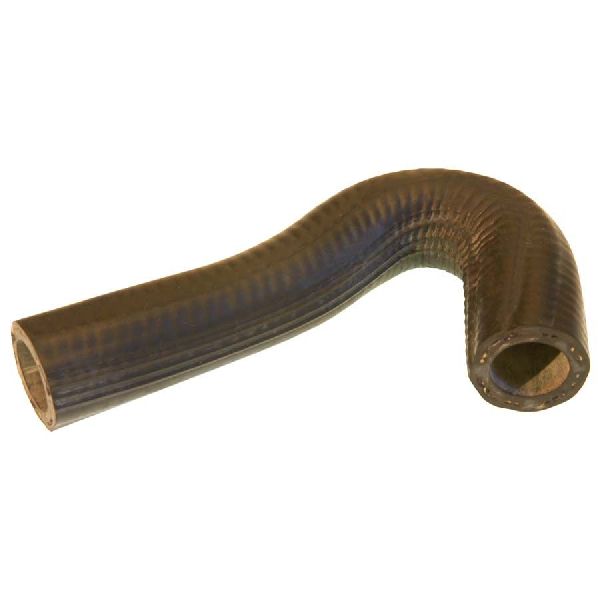
Before installing a new aftermarket hose, hold it next to the old one you just removed. Ensure the bends and angles are a very close match. This simple check can save you the headache of a poor-fitting part and potential leaks down the road.
Cost to Replace the Engine Coolant Bypass Hose
Replacing the bypass hose is an affordable repair. The part itself is inexpensive, and labor is minimal for a professional mechanic. It is also a very manageable job for a DIYer with basic tools.
| Item | Estimated Cost |
|---|---|
| New Aftermarket Part | $23.06 - $96.86 |
| Shop Labor | $100 - $200 |
| Total Estimated Cost | $123 - $297 |
Frequently Asked Questions (FAQ)
Can I just block off the bypass hose?
No, you should not block off the coolant bypass. On these engines, the bypass ensures coolant circulates when the thermostat is closed, preventing hot spots, steam pockets, and potential water pump cavitation. Blocking it can lead to overheating issues, especially on a cold engine.
Is an aftermarket hose as good as the original OEM part?
Yes. For a vehicle of this age, a quality aftermarket hose from a brand like Gates or Continental is often better than the original. Modern rubber compounds (EPDM) offer superior resistance to heat, oil, and ozone compared to the materials used in the 1980s. The primary concern is ensuring proper fitment.
How difficult is it to replace the bypass hose myself?
For most DIYers, this is a straightforward job. It typically involves partially draining the coolant, using a screwdriver or pliers to loosen the hose clamps, removing the old hose, and installing the new one. The main challenge is usually access, which can be tight depending on your specific engine (e.g., 454 big block) and accessories.
If I replace the bypass hose, should I replace other parts too?
Yes. If the bypass hose has failed due to age, it's very likely your main radiator hoses and heater hoses are also nearing the end of their service life. It is highly recommended to replace all coolant hoses at the same time to prevent another failure in the near future. Also, consider replacing the hose clamps, as they can lose their tension over time.
Technical Specifications
Material: EPDM Rubber. Varies by engine type (e.g., Small Block V8, Big Block V8, 6.2L Diesel).
We Have This Part in Stock

The information in this article is provided for general reference and educational purposes only. Vehicle specifications, procedures, and part compatibility can vary by production date, trim level, and region. Always consult your vehicle's factory service manual and verify part numbers before purchasing or performing repairs. Safety-critical components such as airbags, seat belts, and braking systems should be installed by a qualified professional.