

GMC K3500 Engine Mount Guide for 1979-1987 Models
Stop excessive engine vibration and clunking noises by choosing the right replacement engine mount for your truck.
- Common failure symptoms include clunking noises when shifting and heavy vibration at idle.
- Standard rubber mounts (Anchor, Westar) are good for daily driving, while polyurethane (Energy Suspension) is better for heavy-duty use but may increase vibration.
- Replacement is a feasible DIY job requiring a jack and basic hand tools; the engine is lifted slightly, one side at a time.
- Always replace engine mounts in pairs and consider replacing the transmission mount at the same time for best results.
Signs of a Failing Engine Mount on Your Square Body
On a heavy-duty truck like the K3500, a bad engine mount can be obvious. The original rubber mounts from the 1980s are prone to deteriorating over time, becoming hard, brittle, and compressed. When they fail, you'll likely notice one or more of these symptoms:
- Excessive Vibration: You might feel a strong vibration through the floor, seat, or steering wheel, especially when the truck is idling in gear. This happens because the worn-out rubber can no longer absorb the engine's vibrations, transferring them directly to the frame.
- Clunking or Thudding Noises: A loud clunk when you shift from Park to Drive, accelerate from a stop, or even shut off the engine is a classic sign. This noise is the engine physically shifting and hitting its limits because the mount is no longer holding it securely.
- Visible Engine Movement: With the hood open and the truck safely in park with the emergency brake on, have a helper briefly rev the engine. If you see the engine lift or rock excessively, the mounts are shot. In severe cases, the exhaust manifold can even hit the frame.
Don't Ignore a Bad Mount
While you can still drive with a failing engine mount, it's not recommended for long. Continued driving can put stress on other components like the transmission mount, exhaust system, hoses, and wiring. In a worst-case scenario, a completely failed mount can lead to significant engine movement and damage to other parts.
Choosing the Right Aftermarket Engine Mount
For a 1979-1987 K3500, you won't find new OEM mounts easily. The aftermarket offers several good options that fall into two main categories: standard rubber replacements and performance polyurethane upgrades.
Standard Replacement (Good)
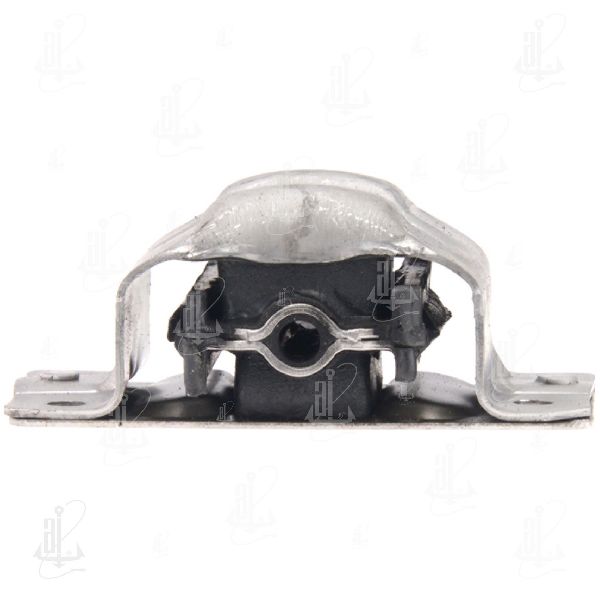
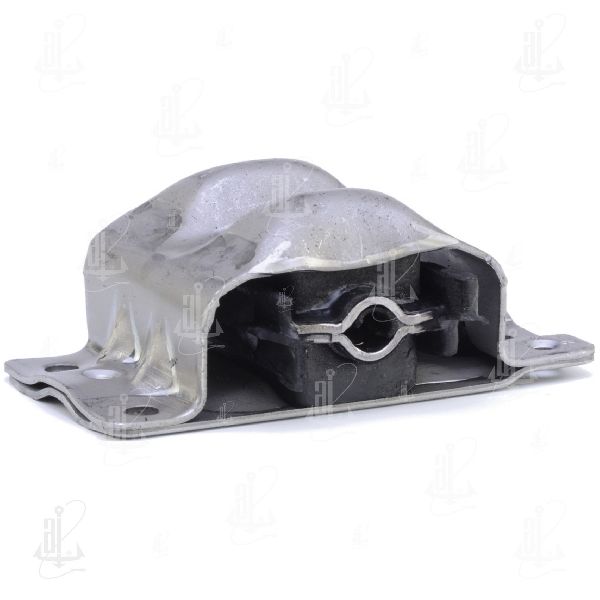
Brands like Anchor, Westar, and DEA offer affordable, direct-fit rubber mounts that mimic the original factory design. These are a practical choice for daily drivers and restorations where maintaining a factory-like ride quality is important. While some online forum users have mixed opinions on longevity, they are generally considered a cost-effective solution. They are designed to provide a balance of durability and vibration absorption for normal use.
Performance Upgrade (Better)
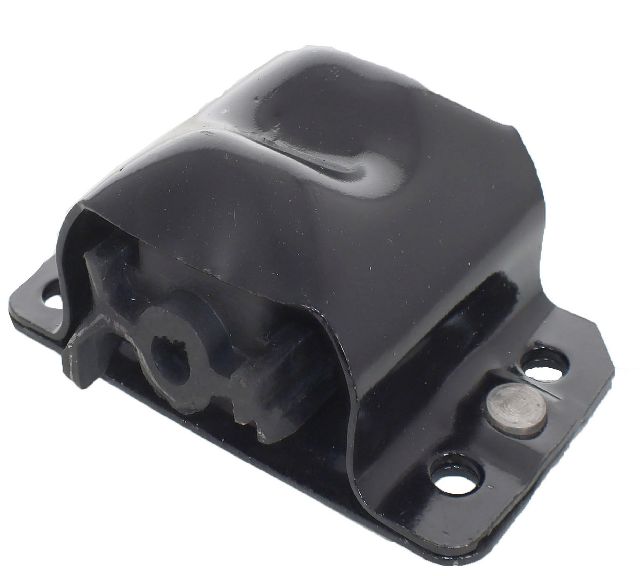
Energy Suspension offers polyurethane inserts for your original metal clamshells. Polyurethane is a much tougher material than rubber. It's highly resistant to oil, coolant, and road grime, and it won't break down as quickly. This makes it an excellent choice for heavy-duty use, towing, or high-performance engines. The main trade-off is a potential increase in felt vibration in the cab, as the stiffer material doesn't absorb as much vibration as soft rubber. Installation requires you to drill out the rivets on your original metal shells to install the new polyurethane insert.
| Brand Tier | Brands | Material | Best For | Notes |
|---|---|---|---|---|
| Standard Replacement | Anchor, Westar, DEA, Pioneer | Rubber | Daily driving, stock restorations | Most affordable; designed for OEM-like ride quality. |
| Performance Upgrade | Energy Suspension | Polyurethane | Heavy-duty use, towing, performance builds | More durable and torque-resistant, but may increase cab vibration. Requires modifying original metal shells. |
Pro Tip: Replace in Pairs
It's highly recommended to replace both engine mounts at the same time. If one has failed, the other is likely not far behind. This ensures the engine sits level and prevents the new mount from being stressed by an old, worn-out one on the other side. Consider replacing the transmission mount at the same time for a complete drivetrain refresh.
Frequently Asked Questions
Do I need special tools to replace my K3500 engine mounts?
The job requires basic hand tools (sockets, wrenches), a floor jack, and a block of wood to safely lift the engine. You do not need to remove the engine. If you choose polyurethane inserts, you will also need a drill to separate the original metal clamshells.
Are there any recalls for 1979-1987 GMC K3500 engine mounts?
No. There are no recalls or technical service bulletins (TSBs) from the NHTSA or GMC for engine mounts on this specific vehicle. Failures are typically due to the age and degradation of the original rubber components.
What is a clamshell mount?
The 1979-1987 K3500 uses a clamshell-style mount. This consists of a metal housing (the clamshell) that bolts to the engine and a rubber or polyurethane insert that sits inside it. A long bolt goes through the insert and connects to a bracket on the truck's frame, securing the engine.
Will polyurethane mounts make my truck ride rough?
They can increase the amount of engine vibration you feel inside the cab, especially at idle. Polyurethane is much stiffer than rubber, so it transmits more of the engine's natural vibrations. However, it provides superior durability and performance under heavy loads, which many truck owners find to be a worthwhile trade-off.
Technical Specifications
OEM Part Numbers: 14039437 10001132 10001133 459021
The vehicle uses a two-piece clamshell style mount with a through-bolt design. The standard aftermarket replacement part number is often listed as 2292.
We Have This Part in Stock


The information in this article is provided for general reference and educational purposes only. Vehicle specifications, procedures, and part compatibility can vary by production date, trim level, and region. Always consult your vehicle's factory service manual and verify part numbers before purchasing or performing repairs. Safety-critical components such as airbags, seat belts, and braking systems should be installed by a qualified professional.