

Choosing the Right Engine Water Pump for Your 1979-1987 GMC K3500
Keep your classic GMC's engine cool and reliable by understanding your water pump replacement options.
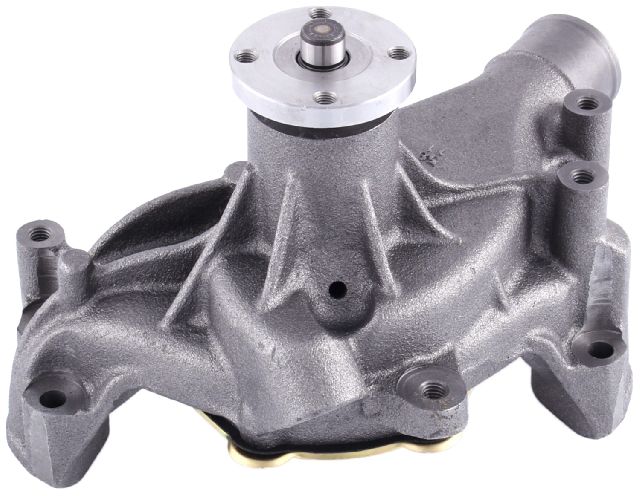
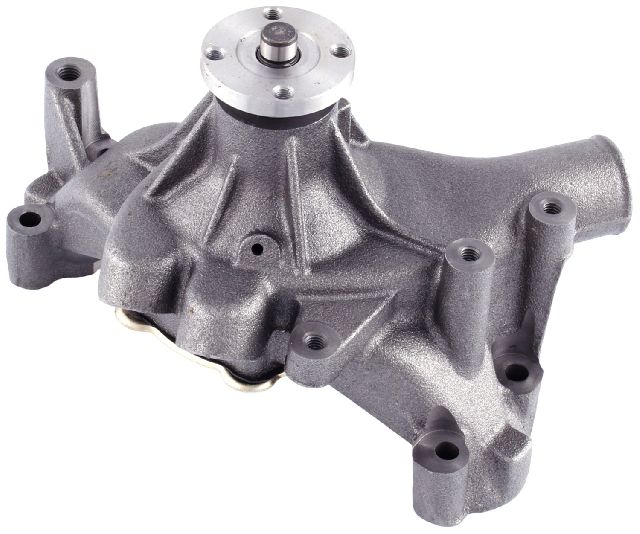
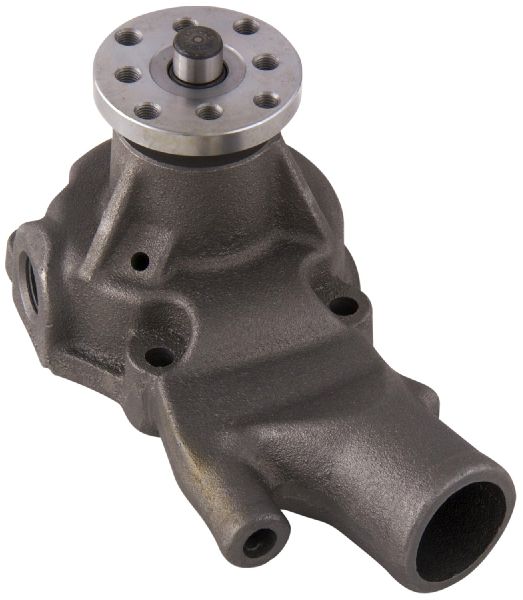
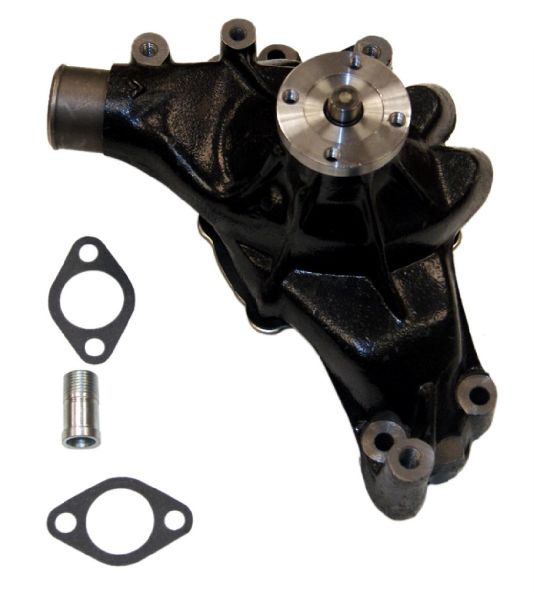
- Your truck requires a 'long' style, standard rotation water pump for its V-belt system.
- Symptoms include leaks from the front-center of the engine, overheating, and grinding noises.
- For most owners, a standard replacement from a reputable brand like GMB is a reliable and cost-effective choice.
- For heavy-duty use or better cooling, consider a high-performance aluminum pump from brands like Edelbrock or Flowkooler.
Is Your Water Pump Failing? Common Symptoms
A water pump failure on these classic trucks is usually straightforward to diagnose. Look for these common signs:
- Coolant Leaks: The most common symptom is a coolant leak from the front-center of the engine. You may see drips on the ground or notice a sweet smell of antifreeze. The leak often comes from the pump's "weep hole," a small hole on the bottom of the pump housing designed to leak when the internal seal fails.
- Overheating Engine: If your temperature gauge is climbing higher than normal, the water pump's impeller may have corroded or the bearing may have seized, preventing coolant from circulating properly.
- Rumbling or Grinding Noise: A loose or failing bearing inside the water pump will create a rumbling or grinding sound from the front of the engine that changes with engine RPM.
- Wobbly Fan Pulley: If you can wiggle the fan pulley back and forth, the bearing inside the water pump is worn out and the entire unit needs to be replaced soon.
A Note on Coolant
Using straight water in your cooling system instead of a 50/50 antifreeze mix can cause premature failure of a new water pump and other cooling system components due to corrosion and rust. Always use the correct type and mixture of coolant.
Choosing the Right Aftermarket Water Pump
For the 1979-1987 GMC K3500, you have several tiers of aftermarket water pumps available. Original GM parts are generally no longer available new, but the aftermarket offers excellent options.
Tier 1: High-Performance & Heavy-Duty
These pumps are for owners who tow, haul heavy loads, go off-roading, or have modified engines. They use superior designs and materials to improve cooling efficiency, especially at lower engine speeds.
- Edelbrock, Flowkooler, Weiand, Tuff Stuff: These brands are leaders in the performance category. They often feature cast aluminum housings (lighter than iron), and more efficient impellers (the internal spinning fin) that move more coolant than stock designs. Flowkooler is particularly noted for improving low-RPM cooling, which is great for trail use. Edelbrock pumps are made in the USA and are highly regarded for quality and performance.
Tier 2: Standard Replacement
These pumps are ideal for daily drivers and stock trucks. They are designed to meet or exceed original factory specifications and offer a great balance of quality and price.
- GMB: Widely considered a top choice for a standard replacement. Forum users and mechanics report good reliability and quality, with many pumps made in Japan.
- Gates & Dayco: Both are huge names in the automotive world, well-known for belts and hoses. Their water pumps are a reliable choice for a standard replacement, though some users feel the quality of their components has decreased in recent years as they have shifted to global suppliers.
Tier 3: Economy Brands
While budget-friendly, some economy brands have a mixed reputation for quality control.
- US Motor Works: User reviews for this brand are inconsistent. Multiple forum discussions mention receiving pumps with poor casting quality or incorrect dimensions that made installation difficult. While they may be offered at a low price, the potential for a premature failure or installation headache makes them a gamble.
Common Ordering Mistakes for the K3500
Your 1979-1987 GMC K3500 almost certainly uses a "long" style water pump with standard (clockwise) rotation. Later model trucks with serpentine belt systems (post-1988) began using reverse rotation pumps. Ordering the wrong one will cause immediate overheating. Always confirm the pump style and rotation matches your truck's V-belt system.
Estimated Replacement Costs
| Part Type | Estimated Cost |
|---|---|
| New Aftermarket (Standard) | $60 - $120 |
| New Aftermarket (High-Performance) | $150 - $280+ |
| Professional Labor | $180 - $350 |
Frequently Asked Questions
Do I need to replace my thermostat with the water pump?
It is highly recommended. The thermostat is an inexpensive part that is easy to access while you're already replacing the water pump. Replacing both at the same time is cheap insurance against having to drain the cooling system again in the near future. Many mechanics also recommend drilling a tiny 1/8" hole in the thermostat flange to help bleed air out of the system when you refill it.
What is the difference between a "long" and "short" water pump?
The terms refer to the length of the pump body, which affects how far the fan pulley sits from the engine block. Small block Chevy engines used in GM trucks in this era use the "long" style pump. Using a "short" pump would cause all your accessory belt pulleys to be misaligned.
What is the "weep hole"?
The weep hole is a small opening on the bottom of the water pump snout, between the main pump body and the pulley. It's a safety feature. If the internal water seal fails, coolant will leak out of this hole instead of contaminating the pump's bearing grease. If you see coolant dripping from the weep hole, the pump needs to be replaced.
Are there any recalls for the 1979-1987 GMC K3500 water pump?
No. Searches of the National Highway Traffic Safety Administration (NHTSA) database and for Technical Service Bulletins (TSBs) did not find any recalls or service bulletins related to the engine water pump for this specific vehicle and year range.
Technical Specifications
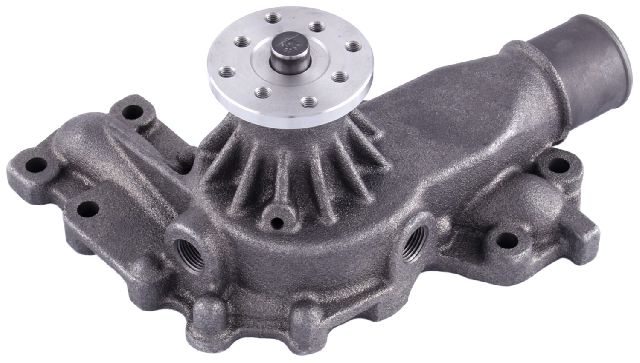
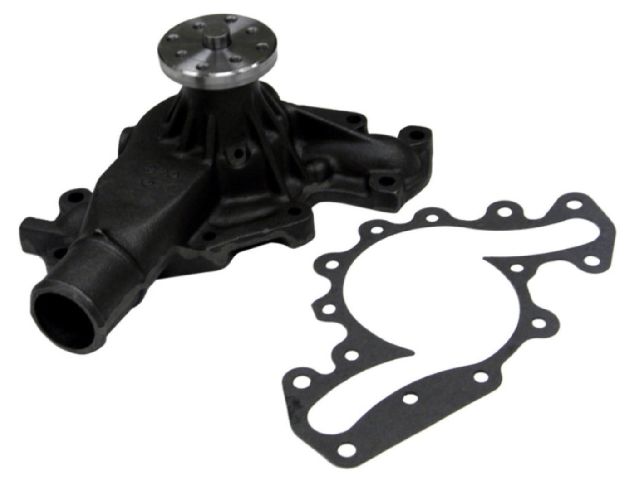
Pump Style: Long, Rotation: Standard (Clockwise)
We Have This Part in Stock

The information in this article is provided for general reference and educational purposes only. Vehicle specifications, procedures, and part compatibility can vary by production date, trim level, and region. Always consult your vehicle's factory service manual and verify part numbers before purchasing or performing repairs. Safety-critical components such as airbags, seat belts, and braking systems should be installed by a qualified professional.
- 🛍️ Shop This Part
- Is Your Water Pump Failing? Common Symptoms
- A Note on Coolant
- Choosing the Right Aftermarket Water Pump
- Tier 1: High-Performance & Heavy-Duty
- Tier 2: Standard Replacement
- Tier 3: Economy Brands
- Common Ordering Mistakes for the K3500
- Estimated Replacement Costs
- Frequently Asked Questions
- 🎟️ Get 5% Off