

Power Steering Pump Guide for 1979-1987 GMC K3500 Trucks
If your heavy-duty GMC is getting harder to steer or making whining noises, it might be time for a new power steering pump.
- A whining noise that changes with engine speed is the number one sign of a power steering pump problem.
- For a stock truck, a new aftermarket pump is a better value than a remanufactured one, which has a higher chance of premature failure.
- If you have large tires or use your truck for heavy work, a premium PSC pump is a worthwhile upgrade for improved steering performance.
- You must flush all old fluid and metal debris from the system and properly bleed the air out to ensure your new pump lasts.
Is Your Power Steering Pump Failing?
On a big truck like the K3500, a healthy power steering pump isn't a luxury—it's a necessity. When the pump starts to wear out, you'll notice some clear warning signs. Ignoring them can lead to a complete loss of steering assist, which can be dangerous.
Common Symptoms of a Bad Pump:
- Whining Noise: A constant whine that gets louder when you turn the wheel or rev the engine is the most common symptom. This is often caused by low fluid or air getting into the system.
- Stiff Steering: If the steering wheel feels heavy or hard to turn, especially when the truck is cold or moving slowly, the pump is likely failing to produce enough pressure.
- Fluid Leaks: Reddish-brown puddles under the front of your truck are a bad sign. Leaks can come from the pump body itself, its seals, or the attached hoses.
- Jerky or Slow Response: If the steering feels like it's catching or responding slowly, air might be in the lines or the pump's internal parts could be worn out.
Choosing the Right Aftermarket Pump
For a vehicle from this era, finding a new OEM (Original Equipment Manufacturer) part is nearly impossible. The good news is that the aftermarket offers several options that fit and function correctly. Your choice depends on your budget and how you use your truck.
Brand Tiers for Your K3500:
| Brand Tier | Brands | Best For | Notes |
|---|---|---|---|
| Standard Replacement | Cardone (New & Remanufactured), BBB Industries | Daily driving and stock setups | These are widely available and budget-friendly. Quality can be inconsistent with remanufactured parts, with some owners reporting early failures. A new aftermarket unit from these brands is often a safer bet than a remanufactured one. Make sure to flush the system completely to avoid contaminating the new pump. |
| Performance/Heavy-Duty | PSC Motor Sports | Modified trucks, large tires, heavy hauling | PSC specializes in high-performance steering components. Their pumps provide higher flow and pressure, which eliminates steering hesitation, especially with oversized tires or in demanding situations. This is a significant upgrade but comes at a premium price. |
A Note on Remanufactured Parts
While remanufactured pumps from brands like Cardone or BBB Industries are the most affordable, their quality can be a gamble. Some owners go through multiple units before finding one that lasts. If you choose a remanufactured part, be sure to keep your warranty information and follow the installation procedures exactly, especially the system flush and bleeding process.
Estimated Replacement Costs
The cost to replace the power steering pump depends on whether you do it yourself or hire a shop, and which type of part you choose.
| Part/Service | Estimated Cost |
|---|---|
| New Aftermarket Pump | $79.89 - $400.46 |
| Remanufactured Pump | $50 - $150 |
| Shop Labor | $150 - $250 |
| Total Professional Replacement | $230 - $650+ |
Pro Tip: Flush The System!
When you replace your pump, you MUST flush the entire power steering system to remove old, contaminated fluid and any metal particles from the failing pump. Skipping this step is the #1 reason new pumps fail early. Also, bleeding the air out of the system after installation is critical for quiet, smooth operation.
Frequently Asked Questions (FAQ)
Can I replace the power steering pump myself?
Yes, this is a manageable job for a DIY mechanic with the right tools. You'll need a basic socket set, wrenches (including a flare nut wrench for the high-pressure line), a drain pan, and a special power steering pulley puller/installer tool, which can often be rented from auto parts stores. The most critical parts are properly flushing the system and bleeding all the air out afterward.
Why is my new power steering pump whining?
A whining noise from a new pump is almost always caused by air trapped in the system. The bleeding procedure for these trucks must be followed carefully: with the front wheels off the ground and the engine OFF, turn the steering wheel from lock to lock at least 20 times to work the air out. Only then should you start the engine briefly to circulate the fluid, re-check the level, and repeat if necessary.
What kind of power steering fluid should I use?
For this generation of GMC truck, standard power steering fluid is appropriate. However, always check the specific requirements of your new pump manufacturer. Some may recommend a particular type of fluid. Using the wrong fluid can cause damage.
Do I need to replace the pulley?
Not usually. In most cases, you will reuse your existing pulley. You will need a specific pulley puller/installer tool to safely remove the pulley from the old pump and install it on the new one without causing damage. Some new pumps may come with a pulley installed.
Are there any recalls for the power steering on this truck?
Searches of the NHTSA database did not show any specific power steering pump recalls for the 1979-1987 GMC K3500. Recalls for GM power steering systems from other eras typically involve newer vehicles with different technologies.
Technical Specifications
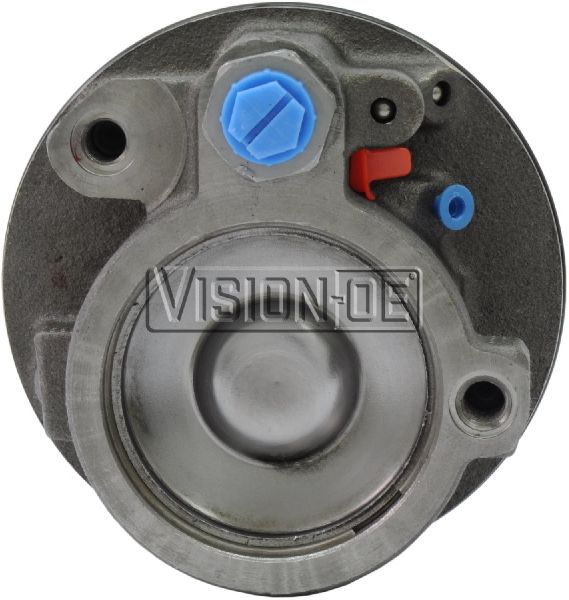
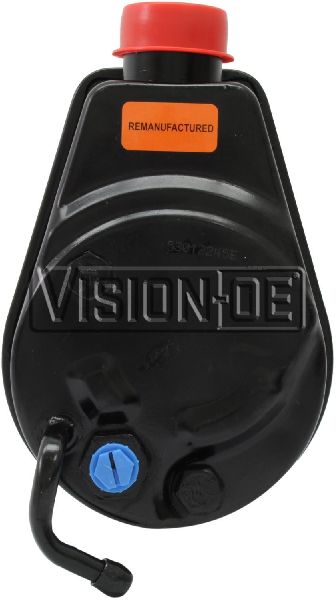
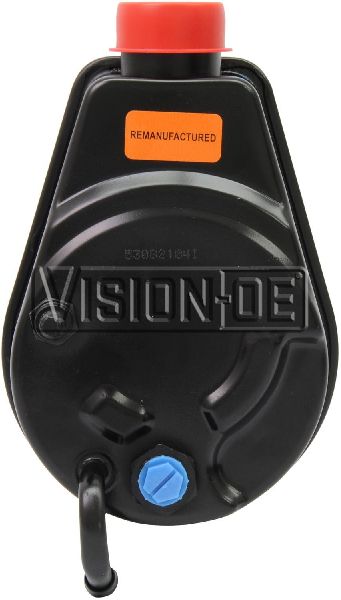
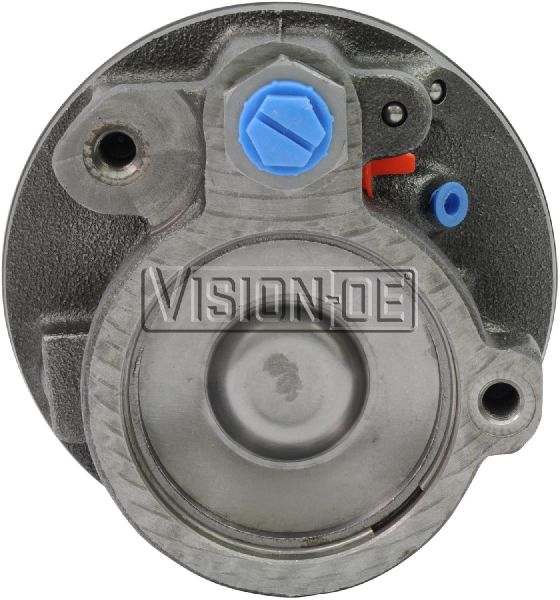
V-Belt Driven, Reservoir may be attached or separate depending on specific sub-model and year.
We Have This Part in Stock
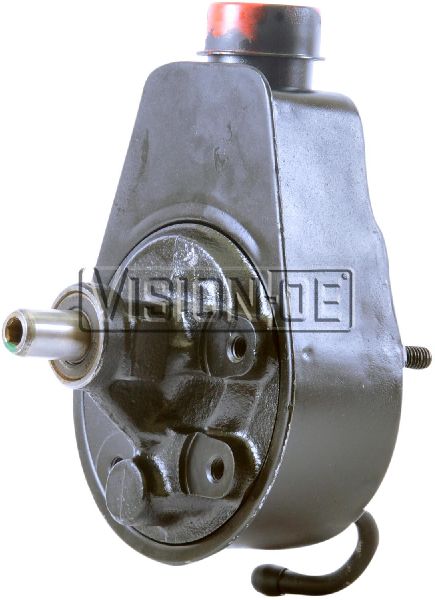
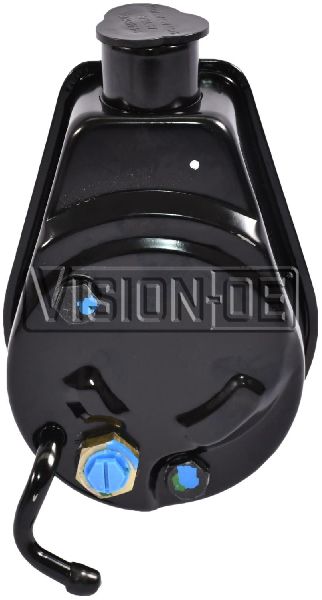

The information in this article is provided for general reference and educational purposes only. Vehicle specifications, procedures, and part compatibility can vary by production date, trim level, and region. Always consult your vehicle's factory service manual and verify part numbers before purchasing or performing repairs. Safety-critical components such as airbags, seat belts, and braking systems should be installed by a qualified professional.