

Choosing the Right Aftermarket Radiator for Your 1979-1987 GMC K3500
Keep your classic GMC truck's engine cool and reliable with the right radiator.
- Verify your truck's existing radiator core size (height and width) before ordering a replacement.
- Standard aftermarket replacements from brands like Spectra are suitable for most users.
- For heavy towing or modified engines, consider a performance all-aluminum radiator from a brand like Mishimoto.
- Always replace the radiator cap, hoses, and thermostat when installing a new radiator for system reliability.
Symptoms of a Failing Radiator
A bad radiator can cause serious engine damage. Watch for these signs:
- Engine Overheating: The most obvious sign. If your temperature gauge is consistently in the red, your radiator isn't doing its job.
- Coolant Leaks: Puddles of green or orange fluid under your truck are a clear sign of a leak. Leaks can come from the radiator itself, the hoses, or the tanks.
- Visible Damage: Look for rust, corrosion, or bent fins on the radiator. Over time, the plastic tanks on some radiators can crack from heat and pressure.
- Low Coolant Levels: If you have to add coolant often, you likely have a leak somewhere in the system.
- Sludge in the Coolant: If your coolant looks like muddy water or Jell-O, it could mean internal corrosion or that incompatible coolants have been mixed. This can clog the radiator's small passages.
Choosing Your Aftermarket Radiator: OEM vs. Aftermarket
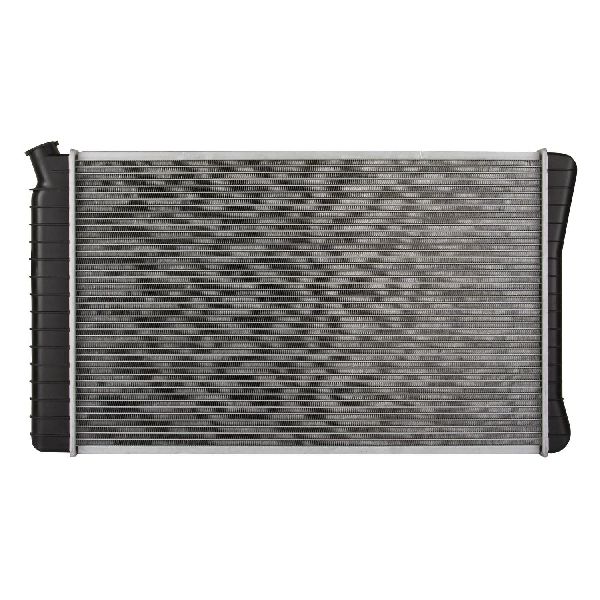
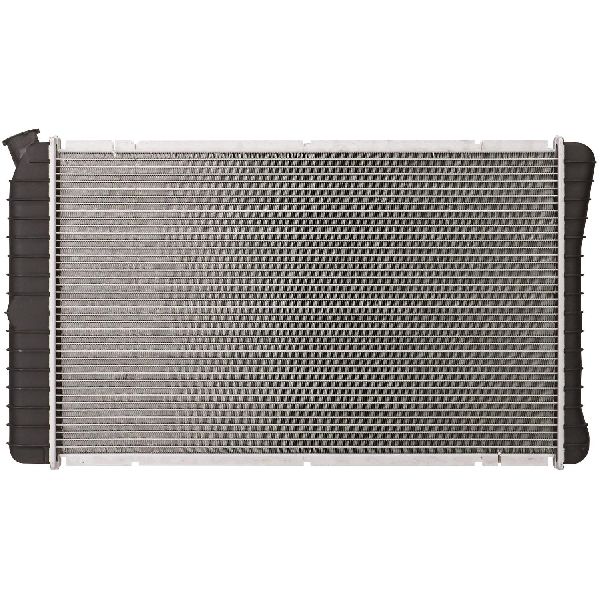
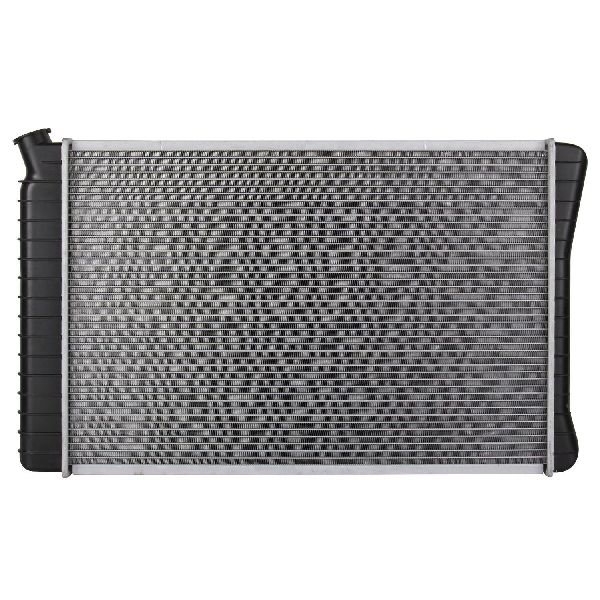
For a classic truck like the 1979-1987 K3500, finding a new OEM (Original Equipment Manufacturer) radiator from GM is unlikely. The original radiators were typically made of copper and brass. Most modern aftermarket replacements use an aluminum core with plastic side tanks, which is the industry standard today. Some owners prefer to have their original copper/brass units repaired by a radiator shop, but this is becoming less common.
Aftermarket radiators offer a range of options, from standard replacements to high-performance all-aluminum models.
Aftermarket Brand Tiers for Your K3500
| Tier | Brands | Quality & Performance Assessment |
|---|---|---|
| Standard Replacement | Spectra, APDI, Global Parts, One Stop Solutions, Onix | These brands offer direct-fit, affordable replacements that meet or exceed original specifications. They typically feature an aluminum core with plastic tanks, similar to many modern vehicles. Spectra is a frequently mentioned brand in forums, often recommended as a reliable stock replacement. APDI is considered a budget-friendly option, though some users express concern about the longevity of lower-cost parts. |
| Performance / Heavy-Duty | Mishimoto, Frostbite | These brands specialize in all-aluminum, TIG-welded radiators designed for improved cooling capacity. They are a good choice if you tow frequently, have a modified engine, or live in a hot climate. Mishimoto offers a lifetime warranty and is known for high-quality construction, though they are a pricier option. Frostbite, a Holley Performance brand, also offers performance aluminum radiators, but some user reviews mention fitment issues. |
Pro Tip: Check Your Core Size
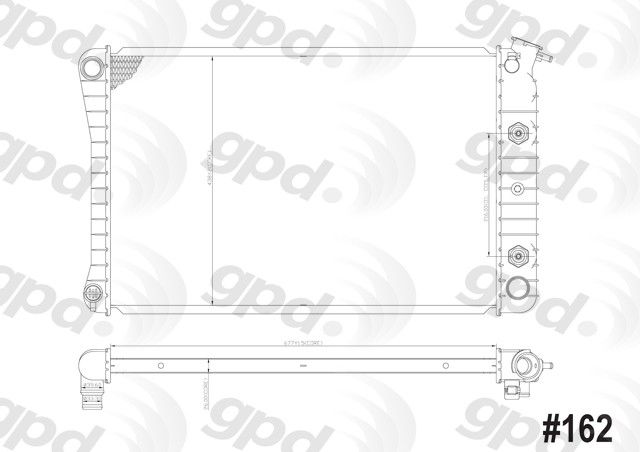
The K3500 and similar GM trucks of this era came with different radiator sizes, often related to the engine and options like A/C or a towing package. Before ordering, measure your original radiator's core height and width to ensure you get a perfect fit. Common heights are 19 and 21 inches.
Frequently Asked Questions (FAQ)
Do I need a 2-row, 3-row, or 4-row radiator?
Don't assume more rows are always better. Modern radiator technology has shown that a well-designed 2-row radiator with larger (1" to 1.25") tubes can cool more efficiently than older 3 or 4-row designs with smaller tubes. The larger tubes provide more surface area for cooling and better airflow.
Can I replace the radiator myself?
Yes, for a 1979-1987 K3500, replacing the radiator is a straightforward job for someone with basic mechanical skills. It involves draining the coolant, disconnecting hoses and cooler lines, unbolting the old radiator, and installing the new one. The process should take a few hours.
What else should I replace with the radiator?
It's a great time to replace the radiator hoses (upper and lower), thermostat, and radiator cap. These parts are inexpensive and wear out over time. A new cap is crucial for maintaining proper system pressure.
Do I need a special radiator for an automatic transmission?
Yes. Radiators for automatic transmission vehicles have an integrated transmission oil cooler. Make sure you order the correct part for your truck's transmission type. The new radiator will have fittings to connect the transmission cooler lines.
Were there any recalls for the radiator on this truck?
No specific radiator recalls were found for the 1979-1987 GMC K3500. Searches on the NHTSA website and for Technical Service Bulletins (TSBs) did not show any relevant results for this specific model year range.
Technical Specifications
Core sizes vary, with common heights being 19" or 21". Core width is approximately 28.35 inches. Upper and lower hose connections and transmission cooler fitting sizes are specific to the application, so verifying fitment is crucial. Most aftermarket options are crossflow radiators with aluminum cores and plastic tanks.
We Have This Part in Stock


The information in this article is provided for general reference and educational purposes only. Vehicle specifications, procedures, and part compatibility can vary by production date, trim level, and region. Always consult your vehicle's factory service manual and verify part numbers before purchasing or performing repairs. Safety-critical components such as airbags, seat belts, and braking systems should be installed by a qualified professional.