

Choosing the Right Spark Plug Wire Set for Your 1979-1987 GMC K3500
Keep your classic square body running strong by understanding how to select the best new spark plug wires for its V8 engine.
- Symptoms of failure include rough idle, engine misfires, and reduced power.
- For most owners, an OEM-quality brand like ACDelco or Delphi offers the best balance of performance and value.
- If you have aftermarket headers, consider performance wires from brands like MSD or Taylor with high-temp boots to prevent melting.
- Replacing wires is an easy DIY job; always replace them one at a time to avoid mixing up the firing order.
Signs of Failing Spark Plug Wires on Your K3500
The spark plug wires on 1979-1987 GMC K3500s live in a harsh environment, exposed to high engine heat and vibration. Over time, the insulation can crack, and the internal conductors can break down. When this happens, you'll notice your truck isn't running right.
- Rough Idle: The engine may shake or vibrate more than usual when you're stopped.
- Engine Misfires: You might feel a stumble or hesitation from the engine, especially under acceleration. This happens when a cylinder fails to fire correctly.
- Reduced Power and Fuel Economy: If the spark isn't strong enough, your truck won't burn fuel efficiently, leading to sluggish performance and more trips to the gas station.
- Difficulty Starting: Weak or inconsistent spark can make the engine harder to start, especially when it's cold.
- Visible Damage: A visual inspection may reveal cracks, burns, or melting on the wire's outer jacket or boots. Sometimes, you can even see sparks arcing from the wire to a metal part 🎬 Watch a breakdown of common symptoms of bad spark plug wires. of the engine in the dark.
Choosing the Right Aftermarket Spark Plug Wires
For a classic truck like the '79-'87 K3500, new OEM wires from GM are likely unavailable or impractical to find. The aftermarket offers a wide range of excellent options that meet or exceed original quality. They generally fall into three categories.
Brand Quality Tiers
| Tier | Brands | Description |
|---|---|---|
| Premium / Performance | MSD, Taylor Cable, Granatelli, FAST, Edelbrock | These brands are popular with enthusiasts and racers. They often feature thicker 8mm (or larger) silicone jackets for better heat resistance and lower electrical resistance for a hotter spark. They are a great choice if you have performance upgrades like headers, which create extra heat. Some users note that performance wires like MSD have much lower resistance than stock, but may cause radio interference in rare cases. |
| OEM-Quality | ACDelco, Delphi, NGK, Denso | ACDelco is the original equipment manufacturer for GM, so their wires are a benchmark for fit and quality. Brands like Delphi, NGK, and Denso are also major OEM suppliers and provide reliable, long-lasting performance that you can trust for a daily driver or work truck. Many owners stick with ACDelco for its proven reliability. | 🎬 Watch this before buying new wires for your Chevy truck.
| Economy | Standard Wires, Walker Products, and other store brands | These wires are the most affordable and can get your truck back on the road. They meet basic requirements and are a practical choice for a stock vehicle on a budget. However, some forum users have reported issues like arcing with budget-tier wires right out of the box. |
Pro Tip: Check Your Boots and Routing
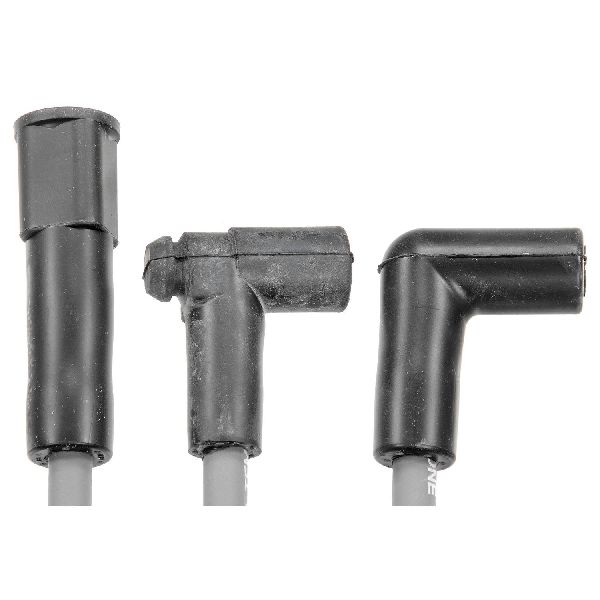
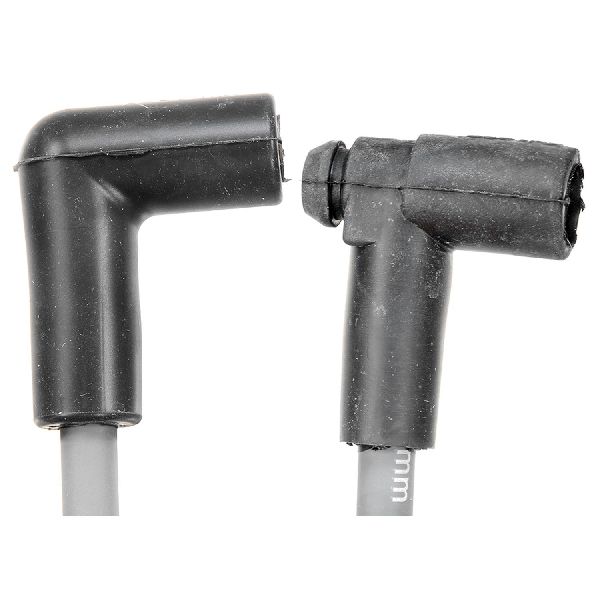
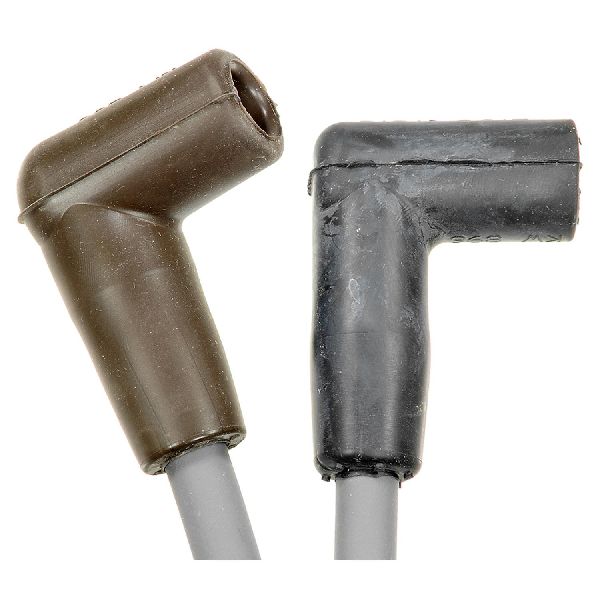
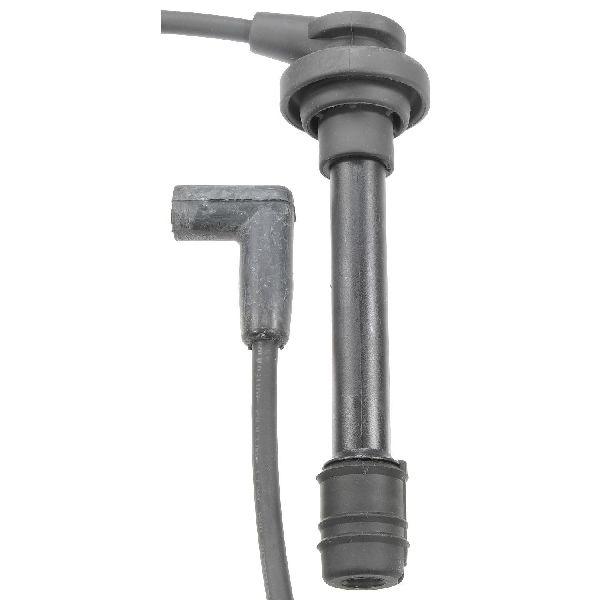
The V8 engines in these trucks, especially with aftermarket headers, can cook spark plug wires. Pay attention to the spark plug boot angle. Wires are available with straight, 45-degree, or 90-degree boots to help clear hot exhaust manifolds. Using heat shields or wires with high-temp silicone sleeves can prevent melting and premature failure.
Known Issues, Recalls, and Service Bulletins
A search of the National Highway Traffic Safety Administration (NHTSA) database shows no recalls or technical service bulletins (TSBs) specifically related to spark plug wire sets for the 1979-1987 GMC K3500. Any issues you encounter will likely be due to normal wear and tear from age, heat, and mileage.
Frequently Asked Questions (FAQ)
How often should I replace my spark plug wires?
There's no strict interval, but a good rule of thumb is to inspect them every 30,000 miles and replace them whenever you replace your spark plugs, or if you see any signs of wear or damage. For a vehicle of this age, replacing them as part of a major tune-up is a good idea.
What's the difference between 7mm, 8mm, or 10.5mm wires?
The measurement refers to the diameter of the wire. Thicker wires (like 8mm or 10.5mm) generally have better insulation, protecting against heat and electrical arcing. They also often have lower resistance, which can help deliver a stronger spark. For a stock engine, standard 7mm or 8mm wires are perfectly fine. Performance wires are often thicker.
Do I need special tools to replace them?
Usually, no. A good pair of spark plug wire pliers can help you grip the boots without damaging them, but often you can pull them off by hand. Applying a small amount of dielectric grease to the inside of the new boots will make them easier to remove next time and prevents corrosion.
Should I get pre-cut or universal (cut-to-fit) wires?
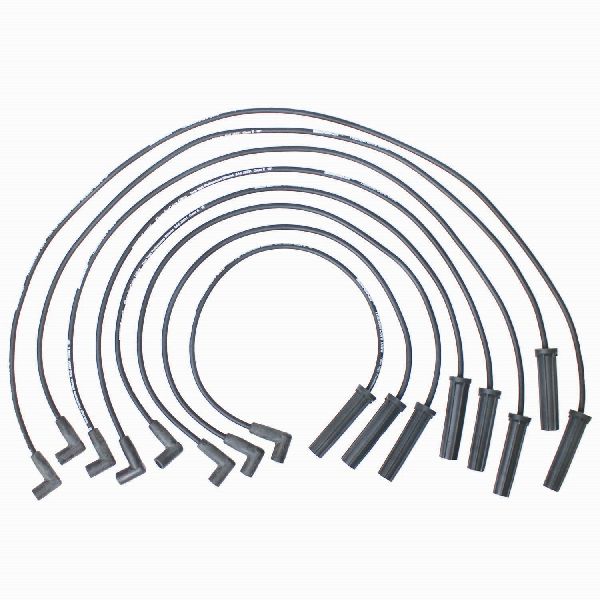
Pre-cut, vehicle-specific sets are the easiest to install. Universal kits require you to cut each wire to the perfect length and crimp on the distributor terminal. This allows for custom routing, which is popular for modified engines, but requires a special crimping tool and more work.
Helpful Videos
Technical Specifications
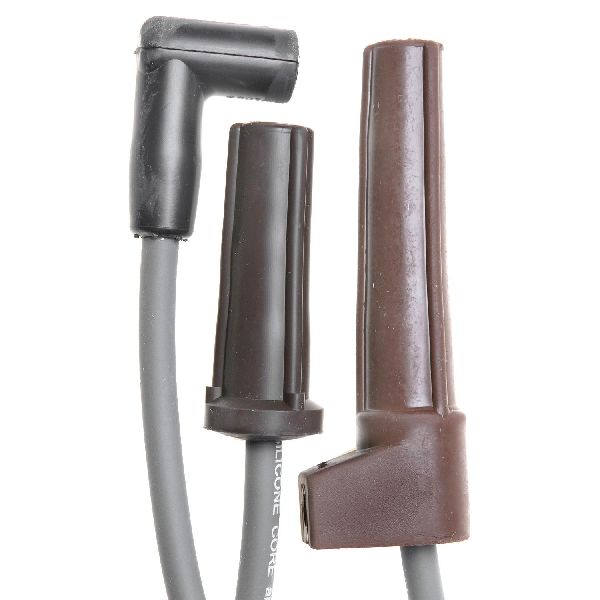
Common wire diameters are 7mm and 8mm. Core types are typically spiral core for RFI suppression. Spark plug boots are available in straight, 45-degree, and 90-degree angles to clear exhaust components.
We Have This Part in Stock

The information in this article is provided for general reference and educational purposes only. Vehicle specifications, procedures, and part compatibility can vary by production date, trim level, and region. Always consult your vehicle's factory service manual and verify part numbers before purchasing or performing repairs. Safety-critical components such as airbags, seat belts, and braking systems should be installed by a qualified professional.