

Engine Oil Pan Guide for 1979-1987 GMC P3500
Keep your workhorse P3500's engine safe by addressing oil pan issues before they lead to major problems.
- Verify your P3500's engine (5.7L, 7.4L, 6.2L Diesel, etc.) before ordering, as the oil pan is engine-specific.
- Plan on replacing the gasket with a modern one-piece rubber style for a better seal.
- Due to the age of the vehicle, consider replacing the oil pump and pickup screen while the pan is off.
- The most common failures are rust from exposure and leaks from an old, hardened gasket.
Is Your P3500 Oil Pan Failing?
On a vehicle as old as a 1979-1987 GMC P3500, the oil pan has seen a lot of miles and weather. The most common problems are not sudden failures, but slow and steady ones. Because it sits at the lowest point of the vehicle, it's exposed to road salt, moisture, and debris, making it a prime candidate for rust and corrosion. Another common issue is damage from road debris or bottoming out on rough job sites. More often than the pan itself, the gasket sealing it to the engine block will get old, hard, and brittle, causing persistent oil leaks.
Key Symptoms of a Bad Oil Pan:
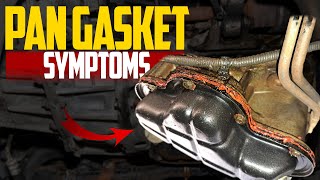
- Oil spots on your driveway: This is the most obvious sign. A consistent drip from under the engine often points to a bad pan gasket or a rusted-through pan.
- Low oil level: Are you constantly having to top off your engine oil? A slow leak from the pan area could be the cause.
- Visible rust or dents: Take a look under your truck. If the oil pan is covered in rust, especially with flaky or bubbling spots 🎬 Learn how to evaluate the severity of oil pan rust., it's only a matter of time before it starts to seep or leak. Dents can reduce the pan's capacity or damage the oil pickup tube inside.
- Burning oil smell: If oil leaks from the pan and gets blown onto the hot exhaust pipes while you're driving, you'll notice a distinct burning smell. 🎬 Watch this guide on identifying oil pan gasket leak symptoms.
A Note on Leaks
Before you blame the oil pan, make sure the leak isn't coming from higher up on the engine. Oil from a leaky valve cover or rear main seal can run down the engine block and drip from the oil pan, making it look like the pan is the problem. Clean the engine thoroughly with a degreaser, then run it and check for the highest point of the leak.
Choosing the Right Aftermarket Oil Pan
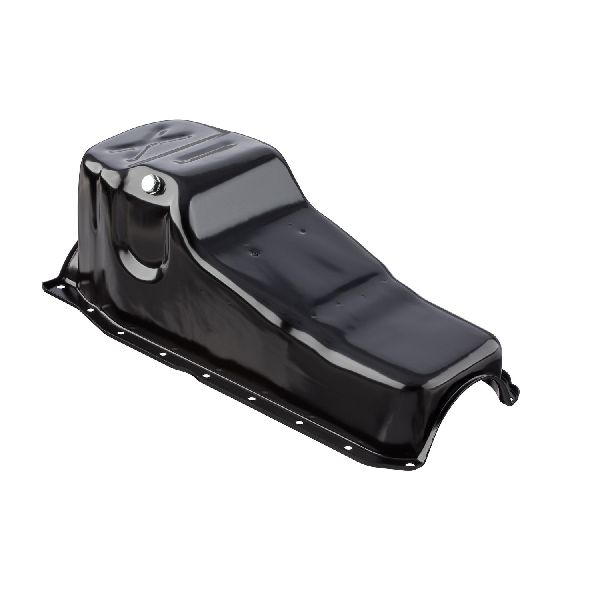
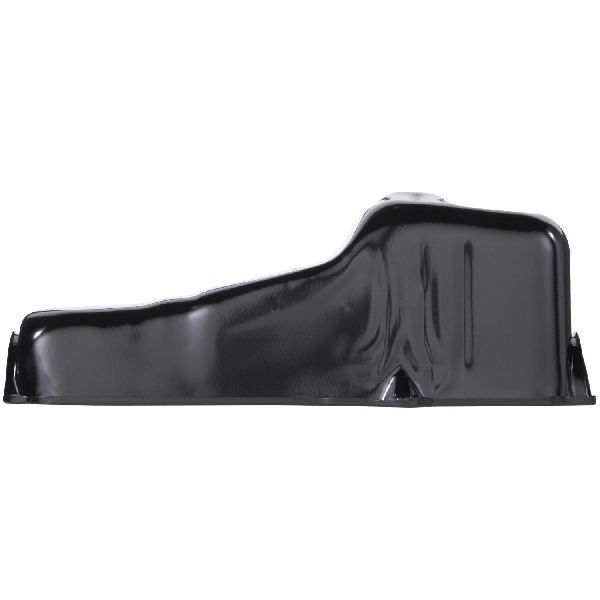
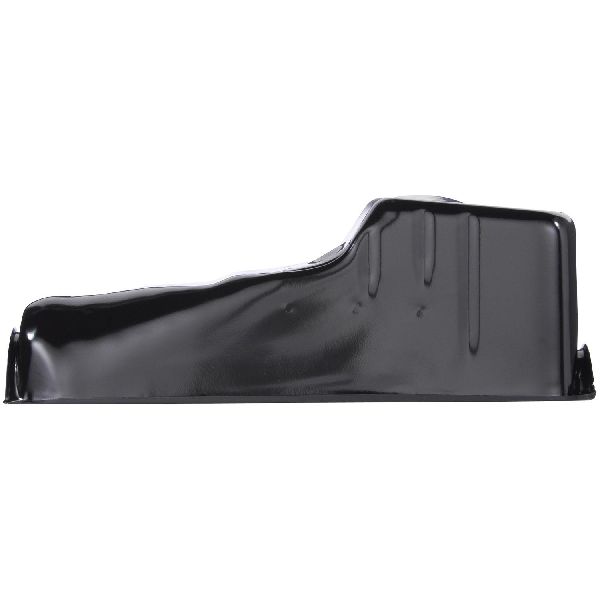
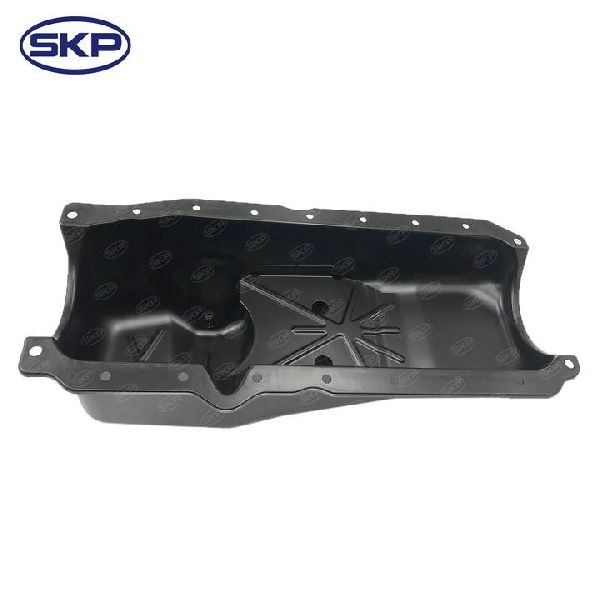
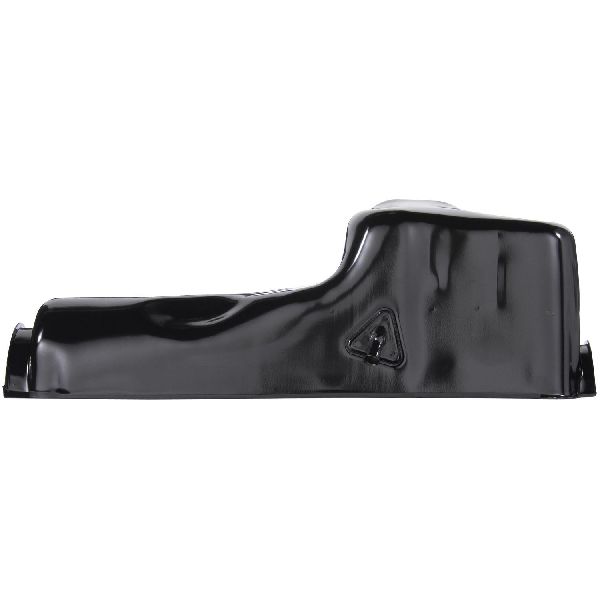
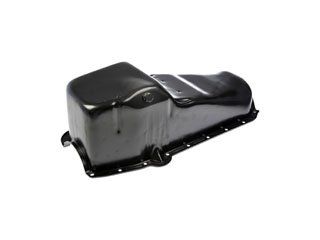
For a vintage work truck like the P3500, finding a new OEM oil pan is nearly impossible. The aftermarket is your main source, and the quality is generally good for a simple part like this. Most aftermarket pans are made of stamped steel, just like the original. The key is to ensure a good fit and a quality finish to prevent future rust.
Brand Considerations
Based on reviews and general reputation, here's a look at some of the available brands:
- Dorman: A widely available brand that offers a direct-fit replacement. Reviews are generally positive regarding fitment and quality, with many stating the bolt holes line up perfectly. Some users note that Dorman pans may use a different size drain plug than the original, which is something to be aware of.
- Spectra Premium: Known for fuel tanks and radiators, Spectra also makes oil pans. They often feature a durable powder coating for rust prevention. Some users have reported issues with leaky drain plugs, but overall fit is usually good.
- Mr. Gasket: A brand with roots in the performance and racing world, Mr. Gasket offers quality replacement parts. Their pans are often well-made, but always double-check that you are buying a stock replacement and not a high-performance pan that might have different dimensions.
- ATP, Pioneer, Skyward, Proform: These brands are also available. While specific reviews for P3500 oil pans are scarce, ATP is a known transmission parts supplier, and Pioneer is a general engine parts company. Quality can be good, but it's always wise to inspect the part upon arrival for any defects in the stamping or finish.
Pro Tip: Don't Forget the Gasket!
The gasket is just as important as the pan. For these GM engines, a one-piece molded rubber gasket is highly recommended over the old four-piece cork style. It's much easier to install and provides a more reliable, leak-free seal. Brands like Fel-Pro are a trusted choice for gaskets.
Cost to Replace a 1979-1987 GMC P3500 Oil Pan
The cost will depend on the brand you choose and whether you do the work yourself. The job is straightforward but can be time-consuming.
| Item | Estimated Cost |
|---|---|
| New Aftermarket Oil Pan | $65 - $292 |
| New Oil Pan Gasket Set | $20 - $50 |
| Shop Labor | $250 - $500 |
| Total (DIY) | $85 - $342 |
| Total (Professional) | $335 - $842 |
Note: Prices are estimates and can vary based on your location, engine size, and the specific parts chosen. You will also need to factor in the cost of new oil and an oil filter.
Frequently Asked Questions
Do I need to lift the engine to replace the oil pan?
On many GM trucks of this era, including the P3500 chassis, you may need to lift the engine slightly to get enough clearance to remove the oil pan. The pan needs to clear the oil pump pickup tube inside and the front crossmember underneath. 🎬 See a walkthrough of removing the oil pan on this chassis. It's a good idea to also inspect and potentially replace the engine mounts while you're doing this job.
What is the most important part of the installation?
Properly cleaning the engine block's sealing surface is critical. All old gasket material and oil residue must be completely removed. Also, when tightening the oil pan bolts, follow the correct torque sequence and specification to ensure even pressure on the gasket and prevent leaks.
Should I replace the oil pump at the same time?
Since you have the oil pan off, you have direct access to the oil pump. Given the age of the vehicle, replacing the oil pump and pickup tube screen is a smart and relatively inexpensive preventative measure.
What engine do I have? Does it matter for the oil pan?
Yes, it matters greatly. The 1979-1987 P3500 came with several engine options, including the 5.7L (350ci) V8, 7.4L (454ci) V8, and 6.2L V8 Diesel. The oil pan is specific to the engine family (small block, big block, or diesel). Always verify your engine size before ordering to ensure you get the correct part.
Helpful Videos


Technical Specifications
Material: Stamped Steel. Sump Style: Wet. Sump Location: Varies by engine (Front or Rear). Gasket Included: Usually not. Drain Plug Included: Varies by brand.
We Have This Part in Stock

The information in this article is provided for general reference and educational purposes only. Vehicle specifications, procedures, and part compatibility can vary by production date, trim level, and region. Always consult your vehicle's factory service manual and verify part numbers before purchasing or performing repairs. Safety-critical components such as airbags, seat belts, and braking systems should be installed by a qualified professional.