

Engine Coolant Thermostat Guide for the 1979-1987 Mazda B2000
Keep your classic Mazda B2000's engine from overheating by understanding and choosing the right thermostat.
- Overheating is extremely dangerous for the B2000's engine; pull over immediately if the temperature gauge spikes.
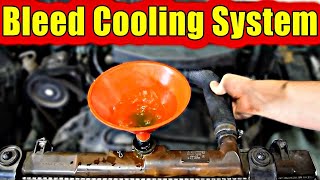
- After replacing the thermostat, you must carefully bleed all air from the cooling system to prevent overheating issues.
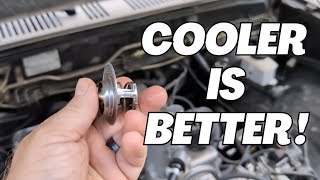
- Consider using a 180°F thermostat instead of the factory 195°F part, especially in warmer climates, for an extra margin of safety.
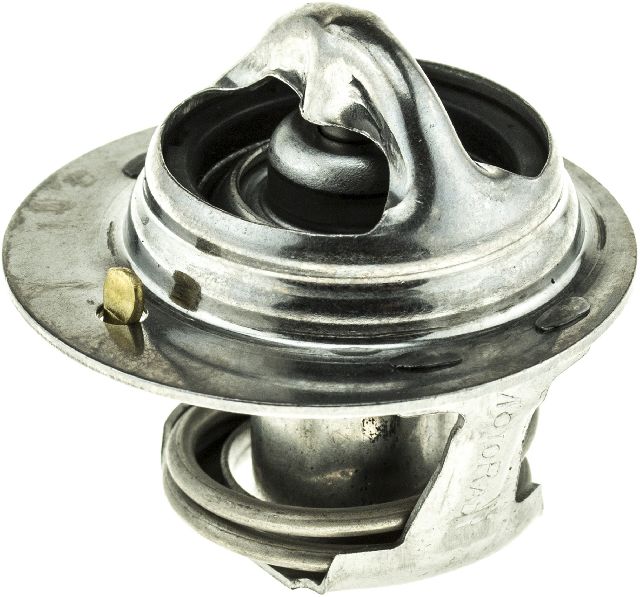
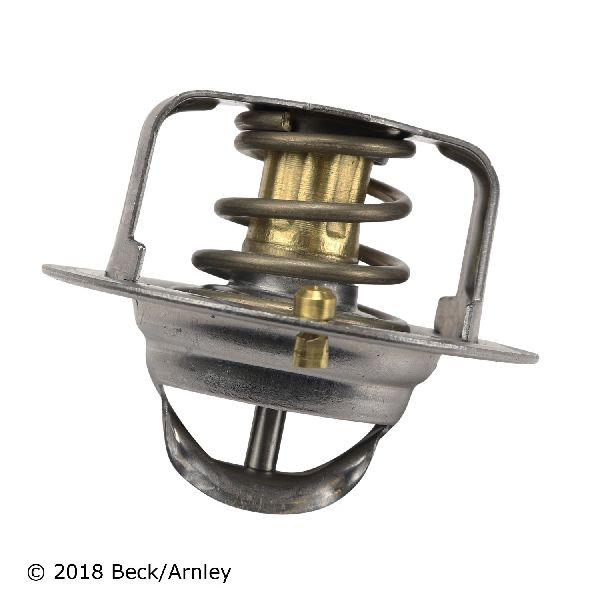
- While many brands exist, Gates and Beck Arnley are generally reliable aftermarket choices; be cautious with Motorad due to mixed reviews.
Symptoms of a Failing Thermostat in Your B2000
A bad thermostat can fail in two ways: stuck open or stuck closed. The symptoms are very different for each failure. Since these trucks do not have modern computer diagnostics, you must rely on observing how your truck behaves.
- Engine Overheating: This is the most dangerous symptom. If the thermostat is stuck closed, it will not allow coolant to get to the radiator. The temperature gauge will climb into the red zone, and you might hear gurgling or boiling sounds.
- Engine Runs Too Cold: If the thermostat is stuck open, it allows coolant to circulate all the time. The engine will take a very long time to warm up, or may never reach its normal operating temperature. Your temperature gauge will stay in the low range.
- Erratic Temperature Changes: The temperature gauge may swing back and forth between hot and cold for no reason. This can indicate the thermostat is struggling to open and close correctly.
- Poor Heater Performance: If your engine isn't getting hot enough because the thermostat is stuck open, the air blowing from your heater vents will only be lukewarm.
- Coolant Leaks: In a severe overheating event caused by a stuck-closed thermostat, the extreme pressure can cause coolant to leak from the housing, gaskets, or hoses.
Choosing the Right Aftermarket Thermostat
For a vintage truck like the B2000, original Mazda (OEM) thermostats can be difficult to find. The aftermarket offers many options, but quality varies. Here’s a breakdown of common brands.
Brand Quality Tiers
Tier 1: Recommended Aftermarket
- Gates: Gates is a well-regarded brand in the aftermarket, known for quality belts, hoses, and cooling system components. It is often recommended by mechanics as a reliable choice.
- Beck Arnley: This brand specializes in parts for import vehicles and aims to match original equipment (OE) fit and function. While they sometimes re-box parts from other manufacturers, they generally have a reputation for good quality control.
Tier 2: Viable Alternatives
- Calorstat: A French brand that is an OE supplier for some European vehicles. They are generally considered a good quality option in the aftermarket.
- Facet: An Italian brand that is another potential choice, considered by some to be better than lower-tier brands.
Tier 3: Use With Caution
- Motorad: Motorad is one of the largest thermostat manufacturers in the world and even makes parts for other brands. However, their aftermarket parts have a very mixed reputation. Many owners and mechanics report premature failures. Their "Fail-Safe" models, designed to lock in the open position when they fail, are particularly known to fail prematurely during normal operation.
Typical Replacement Costs
Replacing the thermostat is one of the more affordable repairs you can make to your cooling system.
| Part | Price Range |
|---|---|
| New Aftermarket Thermostat | $9.85 - $28.88 |
| Shop Labor | $90 - $150 |
Frequently Asked Questions (FAQ)
Where is the thermostat located on a 1979-1987 Mazda B2000?
You can find the thermostat by following the large upper radiator hose from the top of the radiator to where it connects to the engine. The thermostat is inside that metal housing.
Is replacing the thermostat a good DIY job?
Yes, for most people with basic hand tools, this is a straightforward job. The key steps are draining some coolant, unbolting the housing, swapping the part, and then 🎬 Watch this walkthrough of the thermostat replacement and heater flush. refilling and bleeding the system. The most critical part of the job is properly bleeding all the air out of the cooling system afterward, which can sometimes be tricky on these trucks.
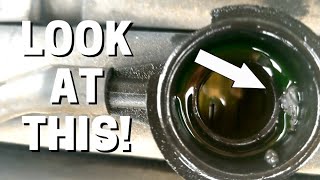
🎬 Watch: Three effective ways to bleed air from your cooling system.Should I use sealant on the thermostat gasket?
It depends on the type of gasket supplied. Some modern gaskets have a built-in sealant. If you have a plain paper or cork gasket, a very thin skim coat of a high-tack gasket sealant or RTV designed for cooling systems can help ensure a good seal. Always clean the old gasket material off both metal surfaces completely before installing the new one.
What's the difference between the thermostat and the coolant temperature sensor?
The thermostat is a mechanical valve that controls coolant flow. The coolant temperature sensor (or sender) is an electronic sensor that reads the coolant temperature and sends that signal to the temperature gauge on your dashboard. On these trucks, the sender is a small, single-wire sensor usually located near the thermostat housing.
Helpful Videos

Technical Specifications
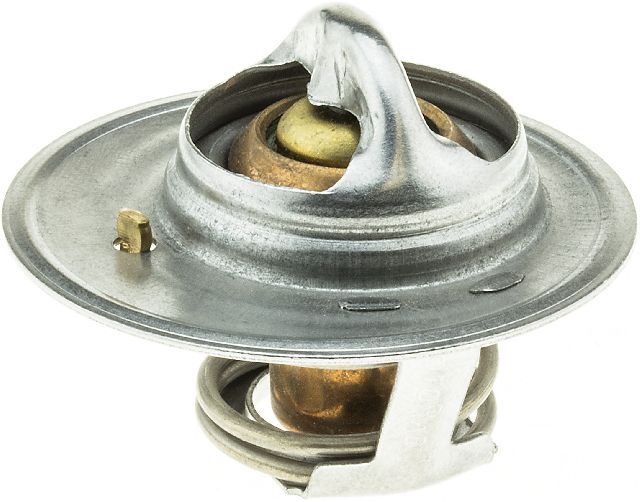
Common temperature ratings are 180°F (82°C), 185°F (85°C), and 195°F (90.5°C). The thermostat housing is located where the upper radiator hose meets the engine.
We Have This Part in Stock


The information in this article is provided for general reference and educational purposes only. Vehicle specifications, procedures, and part compatibility can vary by production date, trim level, and region. Always consult your vehicle's factory service manual and verify part numbers before purchasing or performing repairs. Safety-critical components such as airbags, seat belts, and braking systems should be installed by a qualified professional.