

Mazda B2000 (1979-1987) Radiator Coolant Hose Replacement Guide
Keep your classic Mazda B2000 running cool by knowing when and how to replace your radiator hoses.
- Radiator hoses are a common failure point on older trucks; proactive replacement is recommended.
- Symptoms include visible leaks, overheating, and swollen or cracked hoses.
- Aftermarket brands like Gates, Dayco, and Continental are all reliable choices for your B2000.
- Always replace hose clamps when you replace the hoses and bleed the cooling system of air after refilling.
Is Your B2000's Radiator Hose Failing?
For a truck built between 1979 and 1987, rubber parts like radiator hoses are well past their original lifespan. Heat, pressure, and age cause the rubber to break down. A failed hose can quickly lead to an overheating engine, which is a common problem discussed by B2000 owners. If a hose bursts while driving, you can lose all your coolant in minutes, potentially causing severe engine damage like a warped cylinder head.
Key Symptoms of a Bad Radiator Hose
- Coolant Leaks: Puddles of green, yellow, or pink fluid under the front of your truck are a dead giveaway. You might also see crusty residue around the hose connections.
- Engine Overheating: If your temperature gauge is climbing into the red, a leaking or collapsed hose could be the cause.
- Visible Hose Damage: Inspect your hoses. If they look swollen, cracked, brittle, or feel spongy when you squeeze them, they need to be replaced immediately.
- Sweet Smell: A sweet, syrupy smell from the engine bay is the scent of leaking coolant.
Choosing the Right Aftermarket Hose
Finding original OEM Mazda hoses for a vehicle this old is nearly impossible. The good news is that aftermarket brands offer quality replacements made from modern EPDM rubber, which resists heat and chemicals better than the original materials. For your B2000, brands like Continental, Dayco, and Gates are readily available.
| Brand | General Reputation | Notes for Your B2000 |
|---|---|---|
| Gates | Excellent. Often an OEM supplier for many car manufacturers. Known for good quality and often comes with a lifetime warranty. | A top-tier choice that is widely trusted. You can't go wrong with Gates for reliability and fit. |
| Dayco | Very Good. A solid, reliable brand that has been making hoses for decades. Some mechanics have noted that Dayco hoses can occasionally have a better fit than other brands for specific applications. | A dependable and cost-effective option. Many owners use Dayco parts with good results. |
| Continental | Excellent. Another top-tier brand with a strong reputation for quality rubber products. | Considered a premium option alongside Gates. If available, it's a high-quality choice for your truck. |
Pro Tip: Replace Hoses and Clamps Together
When you replace your radiator hoses, it's smart to replace the hose clamps at the same time. Old clamps can lose their tension or corrode, leading to leaks even with a new hose. Spring-style clamps are often better than worm-gear clamps as they maintain constant tension as the hose expands and contracts with temperature changes.
Known Issues for the 1979-1987 Mazda B2000
Searches for official recalls and Technical Service Bulletins (TSBs) from the NHTSA did not show any specific issues for the radiator hoses on the 1979-1987 Mazda B2000. The primary concerns found in owner forums are general cooling system maintenance and troubleshooting overheating, where hoses are one of several components to inspect. Due to the vehicle's age, proactive replacement of wear items like hoses is the best strategy.
Frequently Asked Questions (FAQ)
Should I replace both the upper and lower radiator hoses at the same time?
Yes. If one hose has failed due to age, the other is likely not far behind. Replacing both at the same time is cheap insurance against being stranded and saves you from having to do the job twice.
What kind of coolant should I use in my Mazda B2000?
For this era of vehicle, a conventional "green" ethylene glycol-based coolant is typically appropriate. Always mix it with distilled water according to the instructions on the bottle, usually a 50/50 ratio.
Is replacing a radiator hose a difficult job?
No, this is a great DIY job for a beginner. It requires basic hand tools. The main steps are draining the radiator, removing the old clamps and hoses, installing the new parts, and refilling the system with coolant. Be sure to bleed the air out of the system afterward to prevent overheating.
My lower radiator hose is cold, is that a problem?
Yes, this often points to a problem. A cold lower hose can mean coolant isn't circulating properly. This is usually caused by a stuck thermostat that isn't opening, a failing water pump, or a severely clogged radiator, not necessarily a bad hose itself.
Technical Specifications
OEM Part Numbers: FE85-15-185
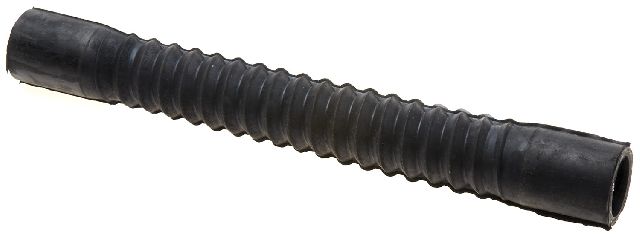
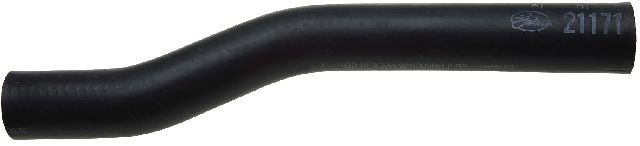
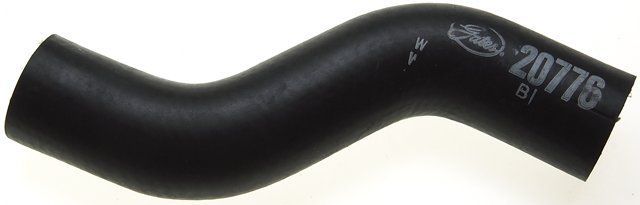
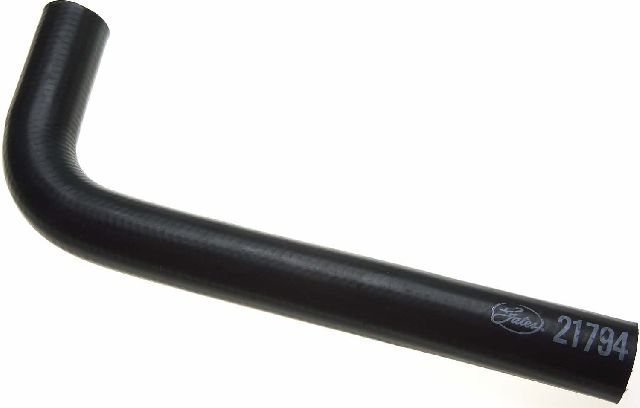
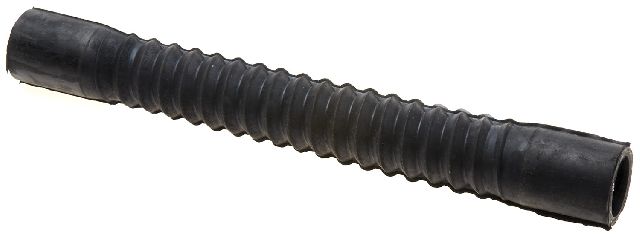
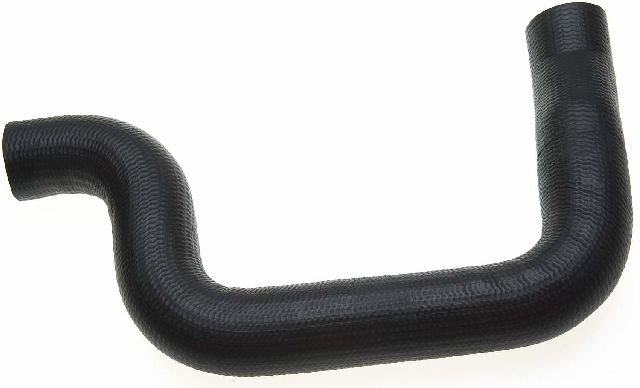
Material: EPDM Rubber. Includes upper and lower hoses. Molded to fit specific engine and radiator connections.
We Have This Part in Stock

The information in this article is provided for general reference and educational purposes only. Vehicle specifications, procedures, and part compatibility can vary by production date, trim level, and region. Always consult your vehicle's factory service manual and verify part numbers before purchasing or performing repairs. Safety-critical components such as airbags, seat belts, and braking systems should be installed by a qualified professional.