

1979-1987 Mercury Capri Accessory Drive Belt Diagnosis & Replacement Guide
Understand the multiple V-belts on your classic Capri to prevent breakdowns and keep accessories running properly.
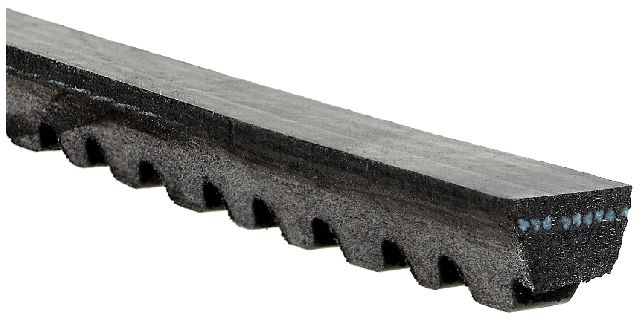
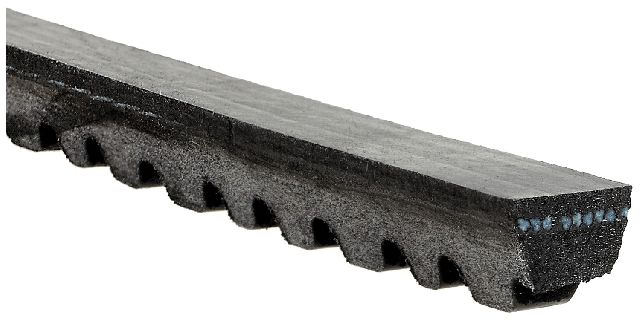
- Your 1979-1987 Capri uses multiple V-belts, not a single serpentine belt. The number varies by engine and options.
- Regularly inspect belts for cracks, fraying, and proper tension to prevent unexpected failures.
- Squealing is the most common sign of a worn or loose belt that needs attention.
- A broken water pump belt will cause rapid overheating; shut off the engine immediately if the temperature gauge spikes.
Understanding Your Capri's Accessory Belts
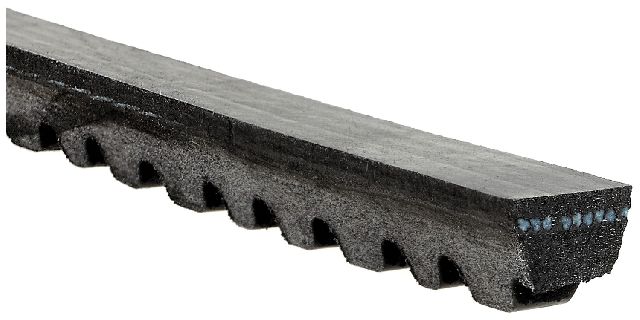
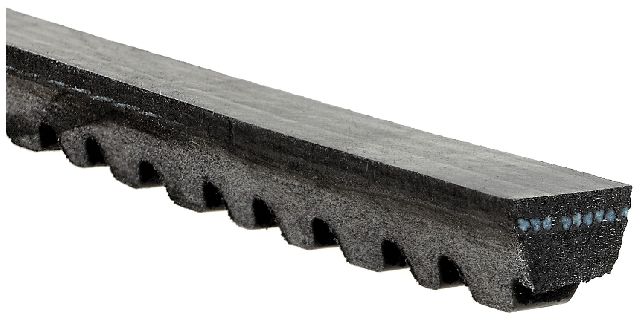
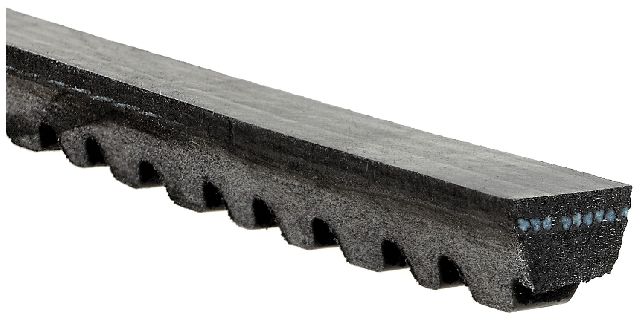
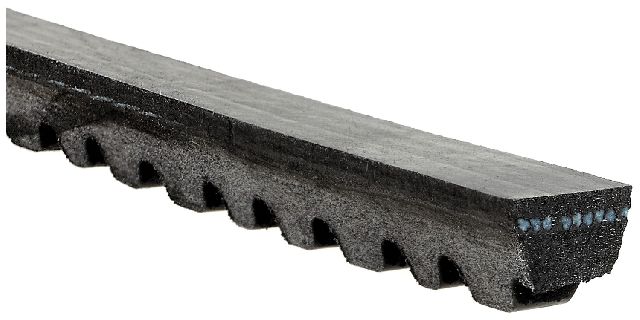
The 1979-1987 Mercury Capri relies on a set of V-shaped rubber belts to power its essential accessories. This multi-belt system is different from the single, flat, ribbed serpentine belt found on later vehicles. Because there are several belts, a failure in one might only affect one or two components, but a failure of the water pump belt can quickly lead to engine overheating. Regular inspection is the key to preventing unexpected breakdowns.
Symptoms of a Failing Drive Belt
A failing V-belt will almost always give warning signs before it breaks. Being able to recognize these signs can save you from being stranded.
- Squealing Noises: This is the most common symptom. A loud squeal or chirp from the engine bay, especially on startup or when the engine is under load (like turning the steering wheel or switching on the A/C), often points to a loose or worn belt that is slipping on its pulley.
- Visible Wear and Tear: Inspect your belts regularly. Look for cracks, fraying, glazing (a shiny, smooth surface on the sides of the belt), or missing chunks of rubber. Any visible damage means the belt should be replaced soon.
- Accessory Malfunctions: If your power steering becomes heavy, the battery warning light comes on, or the engine temperature starts to rise, a belt has likely failed. Pull over safely as soon as possible to investigate.
Critical Failure Warning
If the belt driving the water pump breaks, your engine will stop circulating coolant and will overheat rapidly. This can cause severe engine damage, such as a warped cylinder head or a blown head gasket. If you see the temperature gauge climbing into the red, shut off the engine immediately.
Choosing the Right Aftermarket Belts
For a classic vehicle like the Capri, finding original Motorcraft belts can be difficult and is often unnecessary. High-quality aftermarket brands provide excellent performance and durability. All the listed brands—ACDelco, Bando, Continental, Dayco, and Gates—are reputable manufacturers.
Here’s a general breakdown to help you choose:
- Top Tier (Excellent Quality): Gates and Continental are consistently praised by mechanics for their durability and precise fit, making them a top choice for reliability. Gates, in particular, is a long-standing favorite in the aftermarket world.
- Reliable OEM Equivalents: Dayco, Bando, and ACDelco are also excellent choices that often meet or exceed original equipment specifications. Bando is a known OEM supplier for many Japanese brands and produces high-quality belts. ACDelco, while a GM brand, produces quality parts for most makes and models.
For the 1979-1987 Capri, you can confidently choose any of these brands. The most important factor is ensuring you get the correct length and width for each specific accessory drive on your engine (e.g., 2.3L 4-cylinder vs. 5.0L V8, with or without A/C).
| Item | Estimated Cost |
|---|---|
| New Aftermarket Belts (per belt) | $5.18 - $71.82 |
| Shop Labor to Replace (all belts) | $75 - $150 |
Frequently Asked Questions (FAQ)
How many accessory belts does my Capri have?
The exact number depends on your Capri's year, engine, and options. Most models will have between two and four separate V-belts to run the alternator, power steering, water pump, and air conditioning. You will need to identify which belts your specific car uses before ordering.
Can I replace the belts myself?
Yes, this is a very DIY-friendly job for a home mechanic with basic tools. The process involves loosening the bolts on an accessory (like the alternator), pivoting it to release tension on the old belt, swapping in the new one, and then re-tensioning it by levering the accessory back into place before tightening the bolts.
What does 'belt tension' mean?
Belt tension is how tight the belt is pulled between the pulleys. If it's too loose, it will slip and squeal. If it's too tight, it can cause premature wear on the bearings inside the accessories (like the alternator or water pump). A good rule of thumb for V-belts is that you should be able to twist the belt about 90 degrees (a quarter turn) at its longest point between pulleys.
Are there any recalls for my Capri's belts?
No, there are no specific recalls related to the accessory drive belts for the 1979-1987 Mercury Capri. Searches of the National Highway Traffic Safety Administration (NHTSA) database show recalls for other components on these vehicles, but none for the belts themselves.
Technical Specifications
The 1979-1987 Mercury Capri uses a multiple V-belt system. The specific length, width, and quantity of belts are dependent on the engine (e.g., 2.3L, 3.3L, 5.0L) and factory-installed options like air conditioning and power steering. Always verify the required belts for your specific vehicle configuration before purchase.
We Have This Part in Stock

The information in this article is provided for general reference and educational purposes only. Vehicle specifications, procedures, and part compatibility can vary by production date, trim level, and region. Always consult your vehicle's factory service manual and verify part numbers before purchasing or performing repairs. Safety-critical components such as airbags, seat belts, and braking systems should be installed by a qualified professional.