

A Comprehensive Guide to Spark Plugs for the 1979-1987 Mercury Capri
Keep your Fox Body Capri running strong by selecting the correct spark plugs for its unique engine.
- You must identify your Capri's specific engine (2.3L, 3.8L, 5.0L, etc.) to choose the correct spark plugs.
- For most stock engines, standard copper core spark plugs from brands like Motorcraft, Autolite, or NGK are the best and most cost-effective choice.
- Always check and set the spark plug gap with a feeler gauge before installation; do not assume they are correct out of the box.
- If your engine has aftermarket aluminum heads, confirm if you need tapered seat or gasket seat plugs to avoid leaks and damage.
Engine First, Plugs Second
Before you buy spark plugs for your 1979-1987 Mercury Capri, you must know which engine is in your car. Over its production run, the Capri used several different engines, including the 2.3L I4 (with and without a turbo), 3.3L I6, 3.8L V6, 4.2L V8, and the popular 5.0L V8. Each engine requires a spark plug with a specific heat range and gap setting. Using the wrong plug can lead to poor performance, bad fuel economy, and even engine damage.
OEM vs. Aftermarket Plugs
The original spark plugs in your Capri were from Motorcraft, Ford's own parts brand. For a stock, unmodified engine, Motorcraft plugs are an excellent choice, designed specifically for your vehicle. However, the simple and robust nature of these engines means high-quality aftermarket plugs work just as well, and sometimes better, depending on your needs.
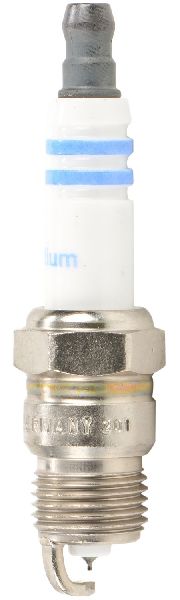
For stock or lightly modified Capris, many owners and mechanics prefer to use standard copper core spark plugs. Brands like Autolite and NGK are highly recommended in owner forums for their reliability and performance in these cars. While modern plugs made of platinum or iridium last longer, the basic copper plug provides a strong spark and is very affordable, making it a great choice for these classic engines.
Check Your Cylinder Heads
A common mistake involves the spark plug seat. Stock cast-iron heads on these engines typically use a tapered seat spark plug. However, if your engine has been modified with aftermarket aluminum cylinder heads, it may require a gasket seat plug. Using the wrong type will cause a poor seal, leading to performance issues and potential head damage. Always verify what your specific heads require.
Choosing the Right Aftermarket Brand
With many brands available, it can be confusing. Here is a simple breakdown:
- OEM Standard (Excellent Choice): Motorcraft is the original part and a guaranteed fit. NGK and Denso are top-tier Japanese brands known for exceptional quality and are often used as original equipment by other carmakers.
- Quality Aftermarket (Reliable & Recommended): Autolite is a very popular and trusted choice for Fox Body owners. Champion and Bosch also offer dependable standard replacement plugs.
- Performance-Focused: MSD and Accel are geared towards modified, high-performance engines. Accel makes "shorty" spark plugs that provide extra clearance for aftermarket exhaust headers, which is a common issue.
- Budget-Friendly: Brands like Skyward offer a low-cost alternative for basic needs.
Don't Waste Money on Hype
For a stock or near-stock Capri engine, you do not need expensive, fancy spark plugs with multiple electrodes or special coatings. Forum discussions among long-time owners consistently show that basic copper plugs from a quality brand provide the best performance and value.
Cost of New Spark Plugs for Mercury Capri
| Category | Price Range (Per Plug) |
|---|---|
| Budget Aftermarket (e.g., Skyward) | $2.52 - $5.00 |
| Standard Copper Aftermarket (e.g., Autolite, NGK) | $3.00 - $8.00 |
| OEM / Premium Aftermarket (e.g., Motorcraft, Denso) | $4.00 - $12.00 |
| Performance / Specialty (e.g., MSD, Iridium) | $9.00 - $25.00+ |
(Pricing is an estimate and subject to change.)
Frequently Asked Questions
How often should I change the spark plugs on my Capri?
For standard copper spark plugs used in these vehicles, a good interval is every 20,000 to 30,000 miles. While modern plugs last longer, copper plugs are inexpensive, and changing them regularly ensures your engine stays in top tune.
What is spark plug gapping and why is it important?
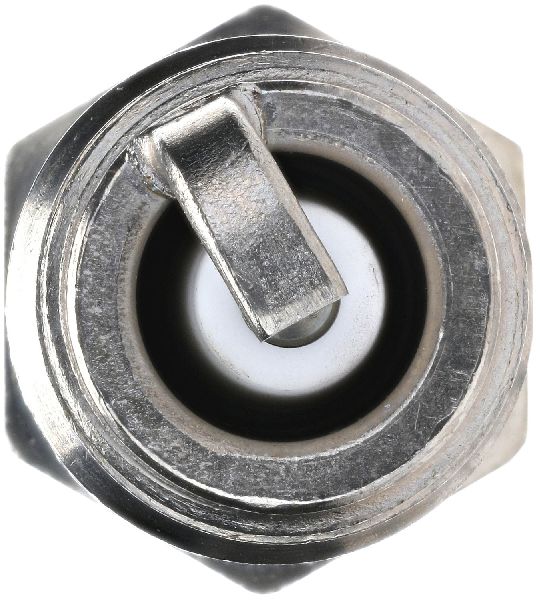
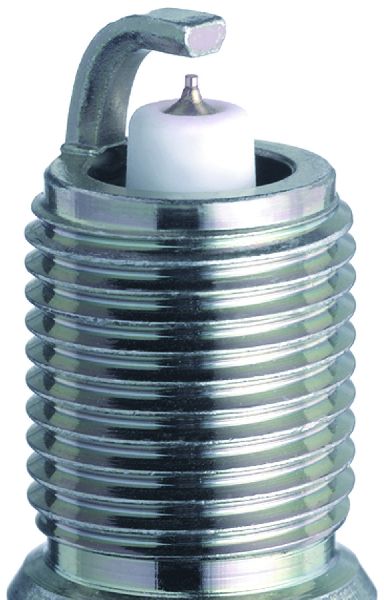
The "gap" is the small space between the center and ground electrodes at the tip of the plug. The size of this gap must be set precisely for your engine. A correct gap ensures a strong, consistent spark. An incorrect gap can cause misfires, poor fuel economy, and hesitation. Always use a gap tool to check and adjust the gap on new plugs before installation. The correct specification is usually found on a sticker under the hood.
Should I use copper, platinum, or iridium plugs?
For a stock 1979-1987 Capri, copper plugs are the strong recommendation. The ignition systems of that era were designed for them. Platinum and iridium plugs offer a longer service life but provide no performance benefit on a stock engine and can sometimes cause issues. Stick with what the car was designed for: simple, effective copper plugs.
Are there any recalls or common issues?
There are no known recalls or technical service bulletins (TSBs) from Ford for spark plug issues on the 1979-1987 Capri. The most common problems are caused by owner error, such as installing the wrong plug, failing to gap them correctly, or cross-threading them during installation.
Technical Specifications
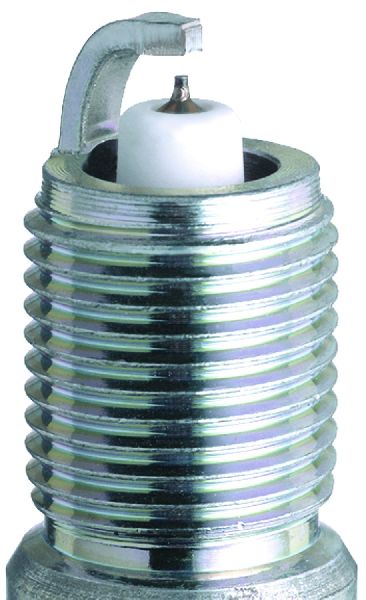
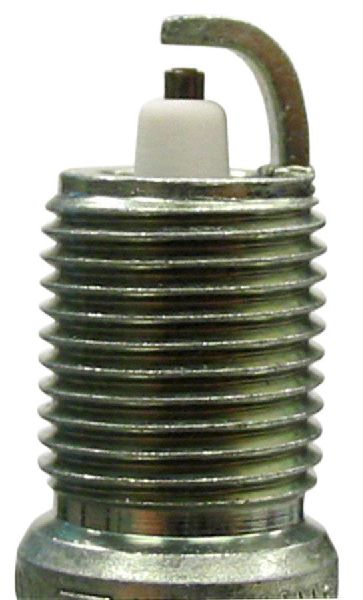
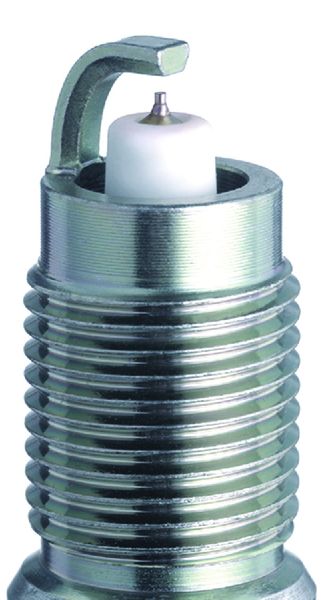
OEM Part Numbers: SP-450 SP-502 SP-429 SP-493
Spark plug gap and seat type (tapered or gasket) are the most critical specifications. Gap varies by engine and year, typically from 0.030" to 0.050". Always consult the vehicle's emissions label under the hood for the exact specification for your car.
We Have This Part in Stock

The information in this article is provided for general reference and educational purposes only. Vehicle specifications, procedures, and part compatibility can vary by production date, trim level, and region. Always consult your vehicle's factory service manual and verify part numbers before purchasing or performing repairs. Safety-critical components such as airbags, seat belts, and braking systems should be installed by a qualified professional.