

Mercury Capri Starter Motor: A Guide for 1979-1987 Models
Everything you need to know before replacing the starter on your 1979-1987 Mercury Capri.
- Heat soak is the most common starter problem for the 1979-1987 Capri, especially V8 models with headers.
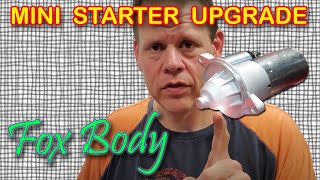
- Upgrading from the large factory starter to a modern, high-torque PMGR ('mini-starter') is the most effective solution for hot-start issues.
- Performance brands like Powermaster and MSD are highly recommended for modified cars, while standard replacements are suitable for stock vehicles.
- Replacement is a straightforward DIY job for most owners, typically requiring only basic hand tools and about 1-2 hours.
Is Your Capri's Starter Failing?
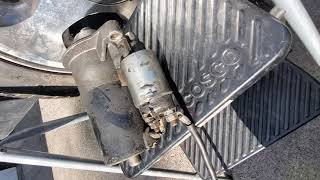
The starter motor on the Fox-platform Mercury Capri, especially the early, large, direct-drive style units, is a known weak point. Symptoms often get worse when the engine is hot, a problem known as 'heat soak,' which is very common on these cars, particularly those with V8 engines and aftermarket headers. Ignoring these signs can leave you stranded.
Common Symptoms of a Bad Starter
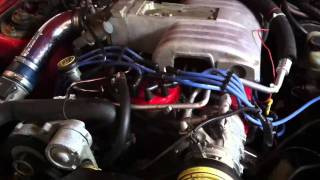
- Single Loud Click: You turn the key and hear one solid 'clack' from the engine bay, but the engine doesn't turn over. This usually points to a bad starter solenoid 🎬 Watch: How to diagnose and test a bad starter solenoid. or a dead spot in the motor itself.
- Slow, Labored Cranking: The engine turns over very slowly, like the battery is weak, even when it's fully charged. This is a classic sign of a starter struggling with high resistance from heat or internal wear.
- Grinding Noise: A harsh grinding sound during or after cranking means the starter gear is not meshing correctly with the flywheel or is failing to retract. This can cause serious damage to the flywheel if not addressed.
- No Sound at All: Complete silence when you turn the key could be a number of electrical issues, but a failed starter solenoid or broken wiring connection is a common cause.
- Engine Won't Start When Hot: The car starts fine when cold, but after a drive, it refuses to crank until it has cooled down for 15-30 minutes. This is a tell-tale sign of starter heat soak.
A Note on Heat Soak
Heat soak is the most common complaint for Capri and Foxbody Mustang owners. The factory exhaust manifolds, and especially aftermarket long-tube headers, sit very close to the starter. After shutting off a hot engine, this intense heat radiates into the starter motor, increasing its electrical resistance. The starter then can't draw enough power to turn the engine over. Upgrading to a modern, high-torque mini-starter is the most effective solution.
Choosing the Right Aftermarket Starter
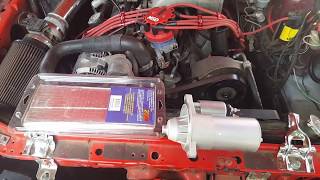
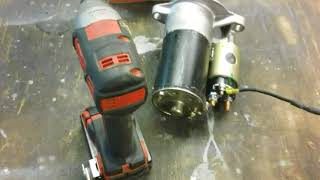
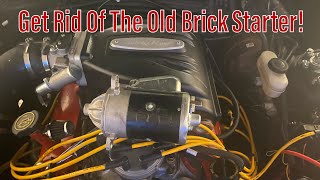
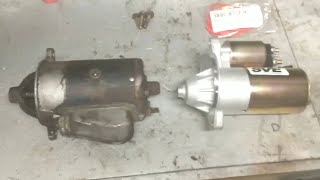
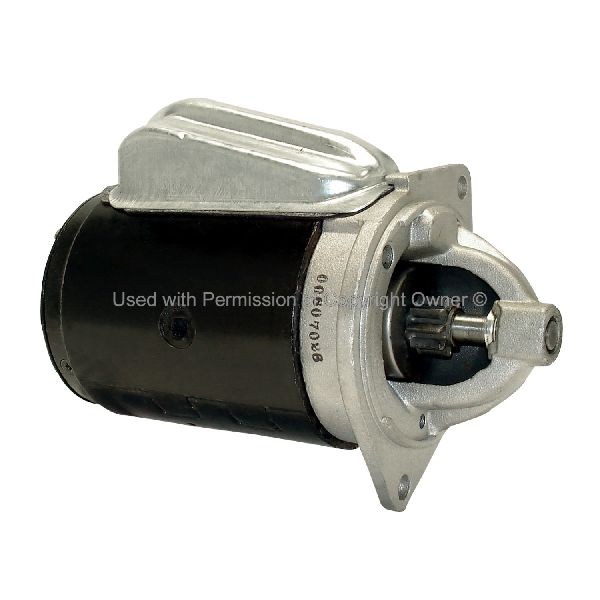
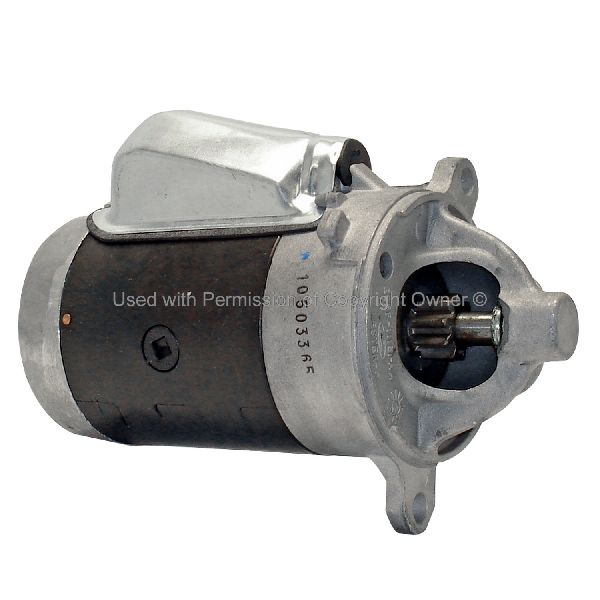
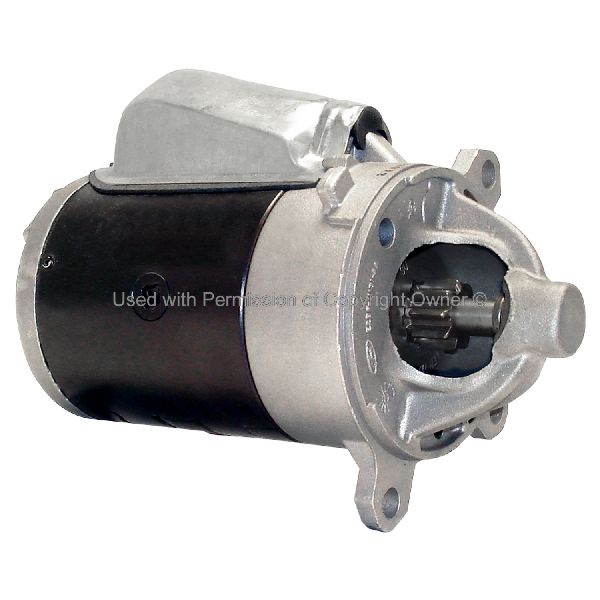
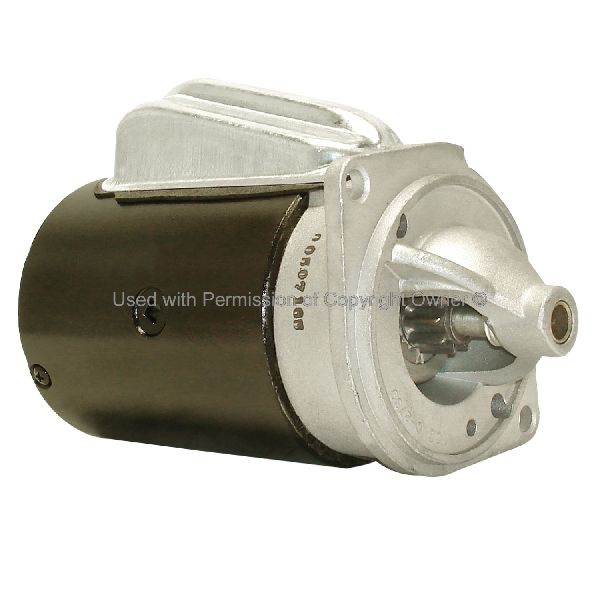
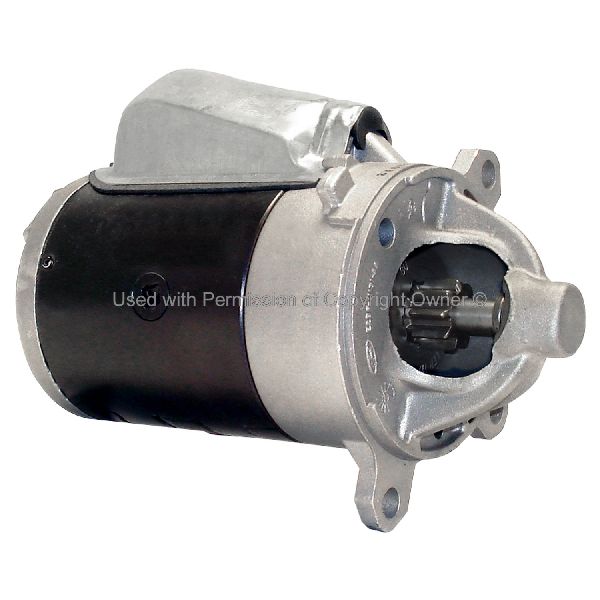
For a 1979-1987 Capri, new OEM Ford starters are generally not available. The aftermarket offers everything from standard replacements to significant upgrades. The most popular upgrade is converting from the original large starter to a modern Permanent Magnet Gear Reduction (PMGR) starter, often called a 'mini-starter'. These are lighter, smaller, and provide more cranking torque with less electrical draw, making them ideal for solving heat soak issues.
Brand Tiers
- Performance Tier (MSD, Powermaster, Ford Performance): These brands specialize in high-torque, gear-reduction starters designed for modified engines with higher compression and to combat heat soak. Powermaster is a highly popular choice among Foxbody enthusiasts for its reliability and power. These starters often solve hot-start problems for good but may require 'clocking' (adjusting the solenoid's position) for proper clearance with some headers.
- Standard OE-Style Tier (ACDelco, MPA): These brands offer new and remanufactured starters that are designed to be direct, factory-style replacements. An ACDelco remanufactured unit can be a reliable choice for a stock vehicle, but may not solve inherent issues like heat soak on a modified V8.
- Economy Tier (Mr. Gasket, Proform, Store Brands): These are typically the most affordable options. They can be a good choice for a stock, daily-driven vehicle where budget is the main concern, but may not offer the longevity or heat resistance of higher-tier brands.
Pro Tip: Upgrade to a PMGR Starter
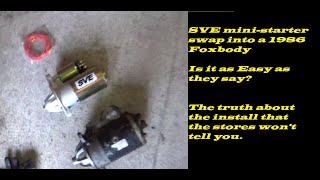
If you are replacing the starter on your V8-powered Capri, it is highly recommended to upgrade to a PMGR-style mini-starter, like those used on 1992-95 Mustangs. They are more efficient, lighter, and provide better clearance for exhaust. The installation requires a minor wiring change at the fender-mounted 🎬 Watch: How to wire a new 2-wire mini starter. solenoid but is a well-documented and worthwhile improvement.
Estimated Replacement Costs
| Part Type | Estimated Cost |
|---|---|
| New Aftermarket Starter | $40 - $392 |
| Shop Labor | $120 - $240 |
Costs are estimates and can vary based on location and the specific parts chosen.
Frequently Asked Questions (FAQ)
Is it hard to replace a Capri starter myself?
No, it's a job most DIY mechanics can handle. It requires basic hand tools to remove two mounting bolts and the electrical connections. Access can be tight, especially with long-tube headers. Always disconnect the negative battery terminal before you begin.
Do I need a special starter for an automatic vs. manual transmission?
Yes, in many cases the starters are different depending on the flywheel/flexplate tooth count. Always verify that the starter you are buying is compatible with your exact year, engine, and transmission combination. Many aftermarket performance starters are designed to work with both.
Will a new starter fix my hot-start problem?
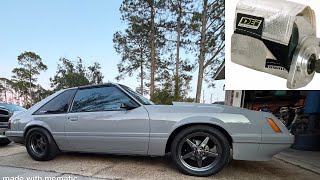
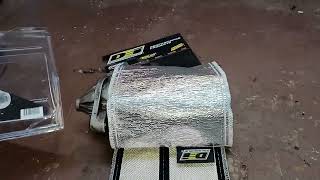
A standard replacement starter might not. The best solution for heat-soak related hot-start issues is a high-torque, gear-reduction starter. Some owners also add a starter heat shield or exhaust wrap 🎬 See how to install a heat shield to prevent soak. as an extra layer of protection.
Are there any recalls on the starter for my Capri?
No, there have been no recalls or major TSBs issued by the NHTSA for the starter motor on the 1979-1987 Mercury Capri.
Helpful Videos
![Car Won't start? Simple Fix ! (Starting Solenoid) [1992 fox body Mustang]](https://img.youtube.com/vi/ud9BhhUYFig/mqdefault.jpg)
Technical Specifications
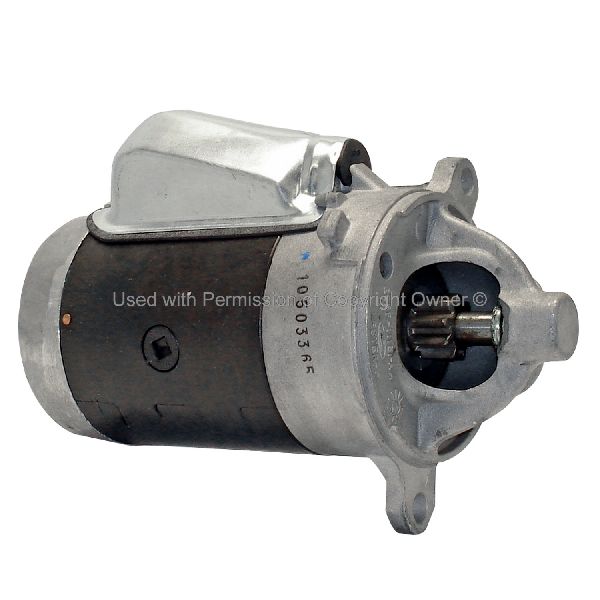
The key difference in starters for this platform is between the early direct-drive style and the later Permanent Magnet Gear Reduction (PMGR) style. PMGR starters are smaller, lighter, and offer higher torque. Compatibility depends on engine, transmission, and flywheel/flexplate tooth count (commonly 157 or 164 teeth for V8 models).
We Have This Part in Stock

The information in this article is provided for general reference and educational purposes only. Vehicle specifications, procedures, and part compatibility can vary by production date, trim level, and region. Always consult your vehicle's factory service manual and verify part numbers before purchasing or performing repairs. Safety-critical components such as airbags, seat belts, and braking systems should be installed by a qualified professional.