

Toyota Pickup Oxygen Sensor Guide (1979-1987): Choosing the Right Part
Keep your classic 22R or 22R-E engine running efficiently by understanding and replacing your O2 sensor.
- For best results, choose a direct-fit oxygen sensor from Denso (OEM) or NGK/NTK.
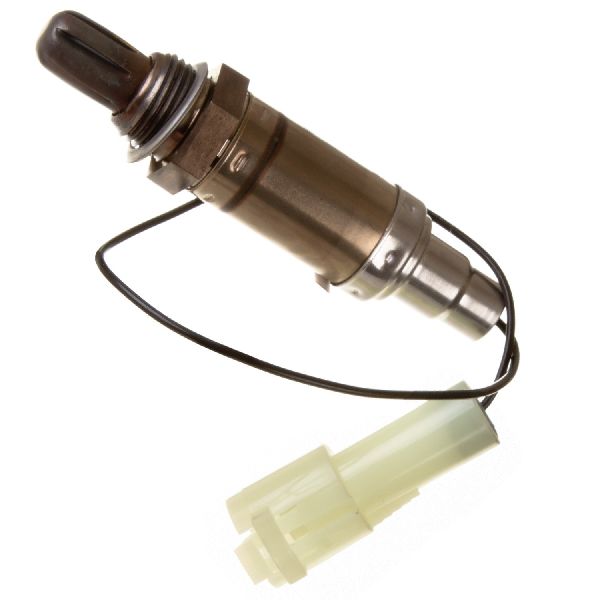
- Most 1979-1987 models use a simple, single-wire, non-heated sensor.
- Replacement is an easy DIY task that can prevent poor fuel economy and expensive catalytic converter damage.
- Symptoms of failure include poor gas mileage, rough idle, and a gasoline smell from the exhaust.
Is Your Toyota Pickup's Oxygen Sensor Failing?

An oxygen sensor doesn't last forever. Contaminants from combustion and high heat eventually cause it to fail. Since these classic Toyota Pickups (1979-1987) use a simple, unheated, single-wire sensor for most models, they can be sensitive to wear. When your O2 sensor goes bad, your engine's computer gets bad information, leading to a poor air/fuel mixture.
Key Symptoms of a Bad O2 Sensor:
- Poor Fuel Economy: One of the most common signs. Your truck starts using more gas because the computer defaults to a rich fuel mixture.
- Rough Idle or Stalling: The engine may run unevenly or stall out, especially after it has warmed up.
- Sluggish Acceleration: You might feel a hesitation or loss of power when you press the gas pedal.
- Smell of Gasoline: A strong fuel smell from the exhaust is a sign of unburned fuel, indicating a rich condition.
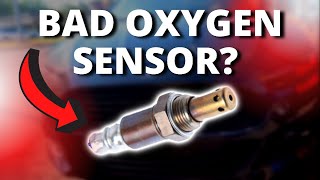
- Black Soot on Tailpipe: This is physical evidence of the engine running too rich. 🎬 Watch: A visual guide to common bad O2 sensor symptoms
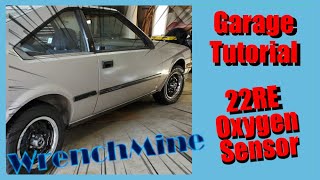
- Check Engine Light: If your truck's diagnostic system detects a problem with the sensor's signal, it will trigger the engine light. 🎬 See how to diagnose codes and replace the sensor
Don't Ignore a Bad Sensor
While you can drive with a failing oxygen sensor, it's not recommended for long. Continuously running a rich fuel mixture can damage your catalytic converter, which is a much more expensive repair.
Choosing the Right Aftermarket O2 Sensor

For these vintage Toyota Pickups, the brand of sensor you choose can make a difference. While OEM is always an option, high-quality aftermarket parts can offer great value. Here’s a breakdown of the available brands based on owner feedback and reputation.
Tier 1: OEM-Equivalent Quality
- Denso: Denso is the Original Equipment Manufacturer (OEM) for Toyota. For this reason, a Denso-branded aftermarket sensor is the most recommended choice for a direct-fit, hassle-free replacement that performs just like the original. Forum discussions consistently show that owners have the best results with Denso.
- NGK (also known as NTK): NGK/NTK is another top-tier Japanese manufacturer. Their sensors are widely regarded as being high-quality and are a reliable alternative to Denso. They are engineered to meet or exceed OEM specifications.
Tier 2: Standard Aftermarket
- Bosch: Bosch is a huge name in auto parts, but their oxygen sensors get mixed reviews from classic Toyota owners. Some report that the sensor tip may be shorter than the original Denso, potentially affecting its reading in the exhaust stream. While many have used them without issue, the general consensus in truck forums leans toward Denso or NGK for best results.
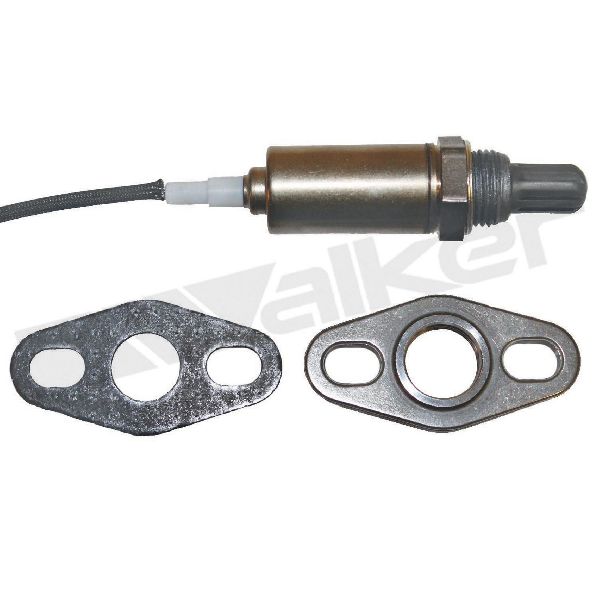
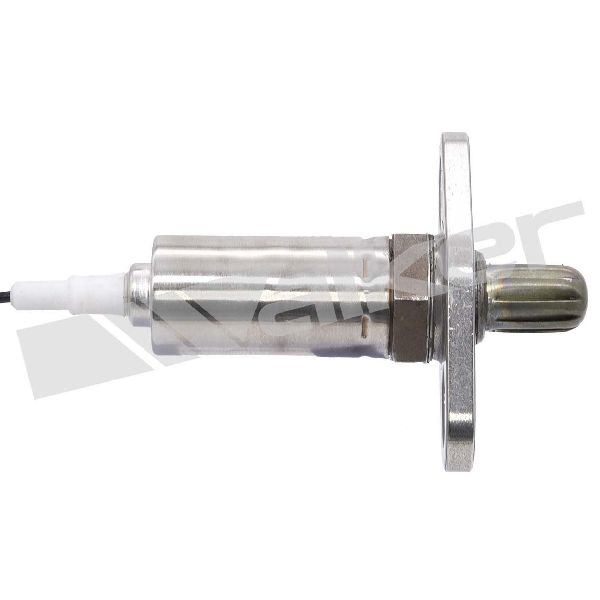
- Delphi, Spectra, Walker Products: These brands offer reliable, budget-friendly options that meet standard replacement needs. They are a good choice if cost is the primary concern, but they may not have the same long-standing reputation for Toyota compatibility as Denso or NGK.
Pro Tip: Direct-Fit vs. Universal
Always choose a "direct-fit" sensor. These come with the correct plug for your truck's wiring harness, making installation a simple unplug-and-plug-in job. "Universal" sensors require you to cut your old plug off and splice it onto the new sensor, which can lead to bad connections and is not recommended.
Typical Replacement Costs

Replacing the oxygen sensor on a 1979-1987 Toyota Pickup is an affordable repair. The part itself is not expensive, and labor is minimal.
| Item | Estimated Cost |
|---|---|
| New Aftermarket O2 Sensor | $22.88 - $59.20 |
| New OEM (Denso) O2 Sensor | $60 - $110 |
| Shop Labor | $50 - $120 |
| Total Estimated Cost (DIY) | $23 - $60 |
| Total Estimated Cost (Shop) | $75 - $180 |
Frequently Asked Questions

Where is the oxygen sensor located?
On the 1979-1987 Toyota Pickup, there is only one oxygen sensor. It is located "upstream" of the catalytic converter. You will find it screwed into either the exhaust manifold or the exhaust pipe just after the manifold. Follow the wire from the sensor to its plug, which is usually located on the fender well in the engine bay.
Do I need a heated or non-heated sensor?
The original sensor for this year range is a non-heated, single-wire sensor. You should replace it with the same type unless you have modified your vehicle (e.g., installed an aftermarket header) and are intentionally upgrading to a heated 3- or 4-wire sensor, which requires additional wiring.
Is replacing the O2 sensor a difficult job?
No, this is a great job for a DIY mechanic. It usually requires only a 22mm wrench or a special O2 sensor socket. The most difficult part can be removing the old sensor if it is rusted in place. Letting the exhaust cool completely and using penetrating oil is recommended.
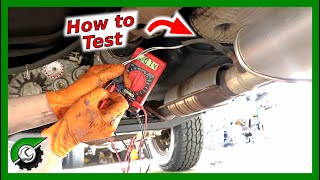
🎬 Watch: How to test your sensor before buying a replacementWhy do people say to only use Denso sensors?
Denso was the original manufacturer for Toyota, so their parts are guaranteed to have the correct fit, materials, and electronic specifications for your truck's computer. While other brands work, many Toyota enthusiasts prefer to stick with the original brand to avoid any potential compatibility issues, however small.
Helpful Videos
Technical Specifications
OEM Part Numbers: 89465-19055 89465-19265 89465-39165 89465-39175 89465-29075
Location: Upstream (before catalytic converter) Wire Count: 1 (most common) Heated: No (for original single-wire type) Wrench Size: 22mm (7/8")
We Have This Part in Stock

The information in this article is provided for general reference and educational purposes only. Vehicle specifications, procedures, and part compatibility can vary by production date, trim level, and region. Always consult your vehicle's factory service manual and verify part numbers before purchasing or performing repairs. Safety-critical components such as airbags, seat belts, and braking systems should be installed by a qualified professional.
- 🎬 Helpful Videos
- 🛍️ Shop This Part
- Is Your Toyota Pickup's Oxygen Sensor Failing?
- Key Symptoms of a Bad O2 Sensor:
- Don't Ignore a Bad Sensor
- Choosing the Right Aftermarket O2 Sensor
- Tier 1: OEM-Equivalent Quality
- Tier 2: Standard Aftermarket
- Pro Tip: Direct-Fit vs. Universal
- Typical Replacement Costs
- Frequently Asked Questions
- 🎟️ Get 5% Off