

1979-1988 Buick Regal Parking Brake Cable Replacement and Information
Everything a G-Body Regal owner needs to know before replacing a worn, stretched, or seized parking brake cable.
- The system uses multiple cables (front, intermediate, rear); identify the correct failed cable before buying.
- Aftermarket quality from brands like Dorman and Raybestos can be inconsistent; always compare the new part to the old one before installation.
- Failure is almost always due to age, rust, and stretching; if one cable is bad, the others may soon follow.
- A seized cable can lock a rear wheel, so address a dragging or stuck brake immediately.
Is Your Regal's Parking Brake Not Holding?
For a classic car like the 1979-1988 Buick Regal, the parking brake system has likely seen decades of use and exposure to the elements. The most common reason for failure is simple age. The steel cables are prone to rusting and seizing inside their housings, especially in areas with harsh winters. They can also stretch over time, leading to a loose pedal that doesn't engage the brake effectively. If you press the parking brake pedal and the car still rolls, or if the pedal feels mushy and goes to the floor, a bad cable is the most likely culprit.
Symptoms of a Failing Parking Brake Cable
- Parking Brake Doesn't Hold: The most obvious sign. You engage the brake, but the car can still roll freely. This is a critical safety failure.
- Brake Won't Release: The cable can get stuck, keeping the rear brakes partially applied. You might notice a dragging feeling, a burning smell from the rear wheels, or poor fuel economy.
- Loose or Spongy Pedal: A stretched cable will cause the pedal to feel loose or travel all the way to the floor without grabbing.
- "BRAKE" Light Stays On: On many cars, a pedal that doesn't fully return to its resting position will keep the warning light on the dashboard illuminated.
A Note on Seized Cables
If you rarely use your parking brake, the cables can seize from corrosion. Then, the one time you do use it, it may not release, locking up your rear wheels. It's good practice to use the parking brake periodically to keep the cables moving and free.
Choosing the Right Aftermarket Cable: Dorman vs. Raybestos
For a vehicle of this age, finding new original equipment (OEM) cables from GM is highly unlikely. The aftermarket is your primary source. The most common brands you will encounter are Dorman and Raybestos. It's important to be realistic about aftermarket parts for a 35+ year-old car.
Brand Quality Assessment
- Dorman: Dorman is known for making a vast array of replacement parts at a budget-friendly price. However, owner feedback suggests their quality can be "hit or miss". Some users report Dorman cables fitting and working fine, while others have experienced issues with incorrect lengths or premature failure.
- Raybestos: Raybestos is a well-respected name in brakes, but their cables have also received criticism. Some owners have found them to be less heavy-duty than the original factory cables, particularly where they connect to the backing plate. In one forum, a user who purchased Raybestos cables described them as "terrible" and poorly constructed.
Pro Tip: Check Fitment Above All Else
The biggest complaint with aftermarket cables for any brand is incorrect length or poor fit at the connection points. Before installing, compare the new cable side-by-side with the old one to ensure all lengths, brackets, and ends match up perfectly. Returning a part that's already been partially installed is much harder.
Common Ordering Mistake
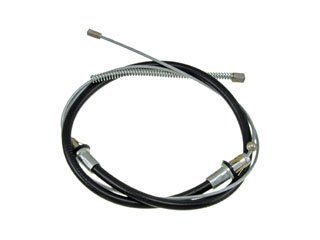
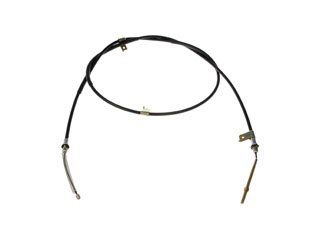
Remember that the parking brake system uses multiple cables. Your Regal has a front, an intermediate, and two rear cables (left and right). Diagnose which specific cable has failed before ordering. Often, it's best to replace them all at once, especially the two rear cables as a pair, since they have been exposed to the same conditions.
| Part Type | Typical Price Range (Per Cable) |
|---|---|
| New Aftermarket (Dorman, Raybestos) | $25.79 - $40.84 |
| New OEM (NOS - New Old Stock) | Extremely rare and variable; likely $100+ if found |
| Shop Labor for Installation | $150 - $250 (for one or two cables) |
Frequently Asked Questions
Are there any recalls for the parking brake cable on my Regal?
No. Searches of the NHTSA database and other sources did not find any specific recalls for the parking brake cables on the 1979-1988 Buick Regal. Recalls found were for much newer models with different brake systems.
Can I replace just one of the cables?
Yes, you can replace only the failed cable. However, if one has failed due to age and rust, the others are likely in similar condition. It is often recommended to replace the rear left and right cables as a set. If the front cable has stretched, it should also be replaced to ensure proper system tension.
Is replacing a parking brake cable a difficult job?
It is considered a moderately difficult job for a DIY mechanic. It requires safely lifting and supporting the vehicle, and you may need to remove the rear wheels and brake drums. Dealing with rusted fasteners and compressing the cable springs at the brake assembly can be frustrating without experience.
Do I need a special tool?
While special emergency brake cable tools exist to help compress the springs, many mechanics can complete the job with a combination of vise grips, pliers, or pry bars. The most important tools are a good set of wrenches, penetrating oil for rusted parts, and proper safety equipment like jack stands.
Technical Specifications
System consists of a front cable, intermediate cable, and two rear cables (left/right). Cable material is steel with a protective outer sheath. Connection types and lengths vary by specific year and model (e.g., with or without rear disc brakes).
We Have This Part in Stock
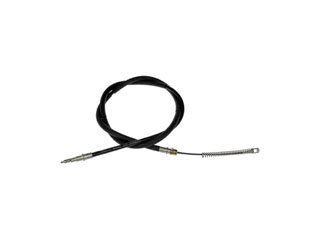
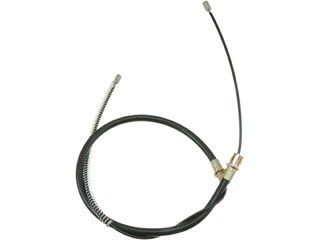
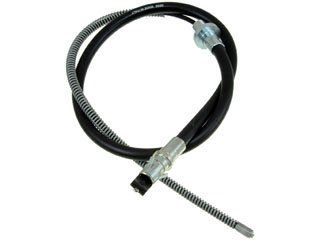
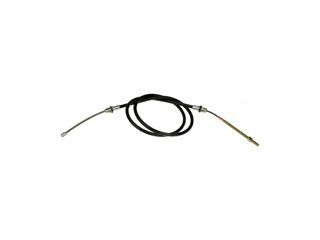

The information in this article is provided for general reference and educational purposes only. Vehicle specifications, procedures, and part compatibility can vary by production date, trim level, and region. Always consult your vehicle's factory service manual and verify part numbers before purchasing or performing repairs. Safety-critical components such as airbags, seat belts, and braking systems should be installed by a qualified professional.
- 🛍️ Shop This Part
- Is Your Regal's Parking Brake Not Holding?
- Symptoms of a Failing Parking Brake Cable
- A Note on Seized Cables
- Choosing the Right Aftermarket Cable: Dorman vs. Raybestos
- Brand Quality Assessment
- Pro Tip: Check Fitment Above All Else
- Common Ordering Mistake
- Frequently Asked Questions
- 🎟️ Get 5% Off