

GMC G3500 Carburetor Replacement Guide (1979-1988)
Everything you need to know about choosing and replacing the carburetor on your 1979-1988 GMC G3500 van or truck.
- For a G3500 of this era, a new aftermarket carburetor is the best choice over trying to find a non-existent new OEM part.
- Common symptoms like rough idle, hesitation, and hard starting strongly point to a failing carburetor.
- Choose a brand based on your needs: Edelbrock for ease of use, Holley for performance tuning, and Uremco for a direct remanufactured replacement.
- Proper installation and tuning (idle speed, mixture screws) are critical for the performance of the new part.
Is Your G3500's Carburetor Failing?
For a vehicle from the 1979-1988 model years, carburetor problems are common. The original Rochester Quadrajet carbs were complex, and decades of use, wear, and modern ethanol-blended fuels can cause issues. If you're experiencing rough idling, stalling, or poor acceleration, your carburetor is a likely suspect.
Common Symptoms of a Bad Carburetor:
- Hard Starting: Needing to crank the engine for a long time or pump the gas pedal excessively to get it to start.
- Rough Idle or Stalling: The engine idles unevenly, surges, or dies at stoplights. This can be caused by vacuum leaks or clogged internal passages.
- Hesitation or Bogging: A noticeable delay or stumble when you press the gas pedal.
- Black Smoke from Exhaust: This indicates the engine is running "rich," meaning there's too much fuel in the air-fuel mixture.
- Fuel Leaks or Strong Gas Smell: Leaks can come from old gaskets, seals, or even cracks in the carburetor body. This is a serious fire hazard.
- Poor Fuel Economy: A worn or out-of-tune carburetor wastes fuel, leading to more frequent trips to the pump.
OEM Parts vs. Aftermarket
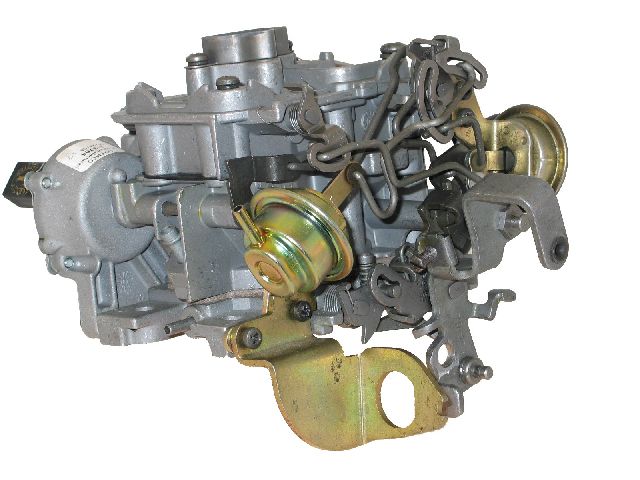
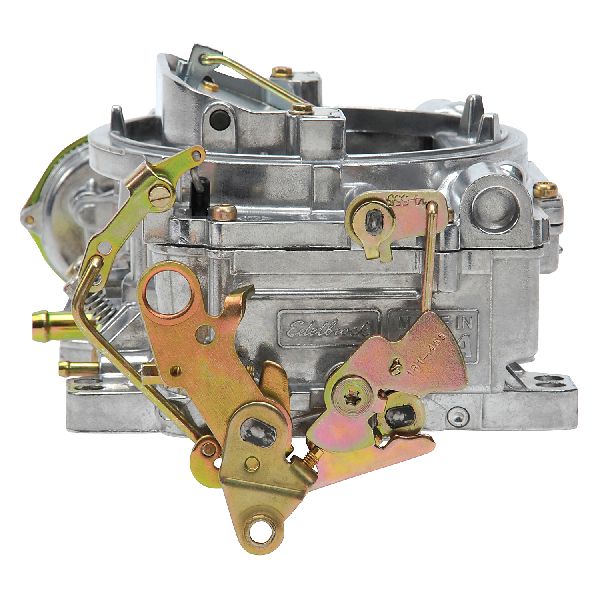
Finding a brand-new, original equipment (OEM) carburetor for a 1979-1988 G3500 is nearly impossible. If you do find one, it will be extremely expensive. For these trucks, a new aftermarket carburetor is the most practical and often superior choice. Modern aftermarket carbs from brands like Edelbrock and Holley can offer improved performance, easier tuning, and better reliability than the original 30+-year-old designs. Remanufactured units, like those from Uremco, provide an OEM-style fit by rebuilding original carburetors with new components to meet factory specifications.
Choosing the Right Aftermarket Carburetor
Your G3500 likely came with a small block Chevy V8 (like the 305 or 350). The choice between brands often comes down to your intended use and budget.
Brand Reputations:
- Edelbrock: Known for being very user-friendly and reliable for daily drivers and street vehicles. They are often praised for working well right out of the box with minimal tuning required. This is a great choice for a G3500 owner looking for reliability and smooth operation.
- Holley: Often seen as the go-to for maximum performance and racing applications. They offer a high degree of tunability, which is great for modified engines but can be more complex for a standard work van. A Holley can be a great carb but may require more initial setup.
- Uremco: Uremco specializes in remanufacturing carburetors to OEM specifications. This means you get a part that is designed to be a direct replacement for the original, with new seals and gaskets to handle modern fuels. It's a solid, cost-effective choice for a stock replacement.
Pro Tip: Before ordering, confirm your engine size and the type of carburetor you have (often a 2-barrel or 4-barrel). Also, check for the type of choke (electric or manual). A new carburetor must be tuned to your specific engine and timing for best performance.
Estimated Replacement Costs
| Part Type | Estimated Cost |
|---|---|
| New Aftermarket Carburetor | $414.95 - $589.48 |
| Remanufactured Carburetor | $250 - $450 |
| Shop Labor | $150 - $300 |
| Total Estimated Cost | $565 - $890 |
Cost estimates are for parts and labor and can vary based on location and vehicle condition.
Frequently Asked Questions
Do I need to tune a new carburetor?
Yes. Even though many aftermarket carburetors are set up to run well out of the box, every engine is different. To get optimal performance, fuel economy, and reliability, you must perform final adjustments to the idle speed and air/fuel mixture screws after installation. You should also verify your ignition timing, as it is critical to proper engine operation.
What does CFM mean and why does it matter?
CFM stands for "Cubic Feet per Minute" and it measures how much air the carburetor can flow. For a stock or lightly modified V8 in a G3500, a carburetor in the 500-650 CFM range is typically appropriate. Using a carb that is too large can result in poor throttle response and drivability at lower RPMs.
Are there any recalls on the 1979-1988 GMC G3500 carburetor?
No. A search of the National Highway Traffic Safety Administration (NHTSA) database shows no recalls specifically for the carburetor on the 1979-1988 GMC G3500. Any issues you are experiencing are likely due to the age and wear of the component.
Can I replace the carburetor myself?
Yes, this is a feasible DIY project for someone with moderate mechanical skill. The job involves disconnecting the fuel line, throttle linkage, and vacuum hoses, removing four bolts, and then reversing the process. The most critical parts are ensuring there are no fuel leaks and making the final adjustments. If you are not comfortable working with fuel systems, it is best to leave this job to a professional mechanic.
Technical Specifications
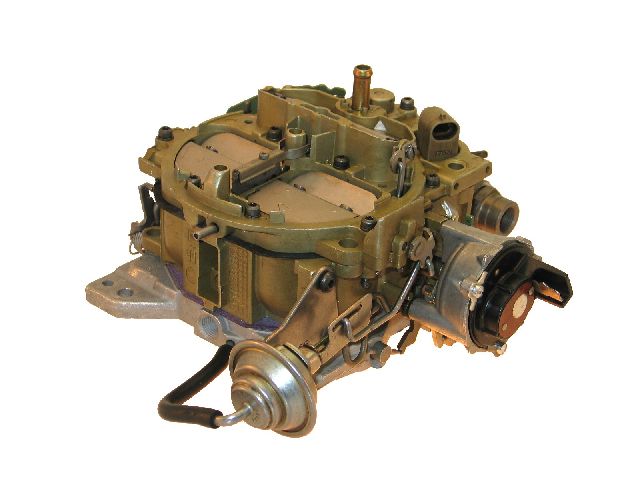
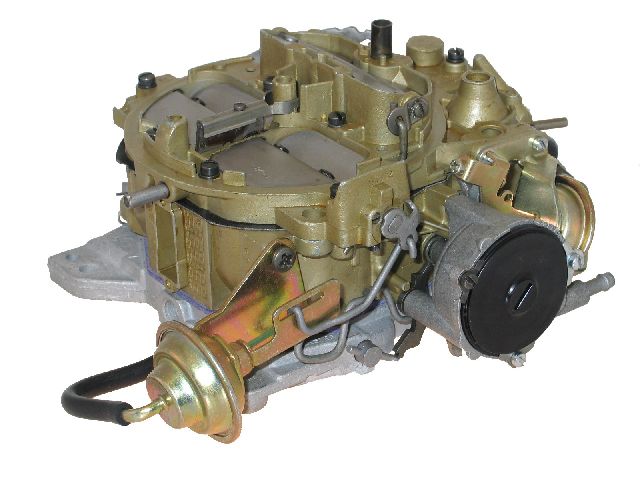
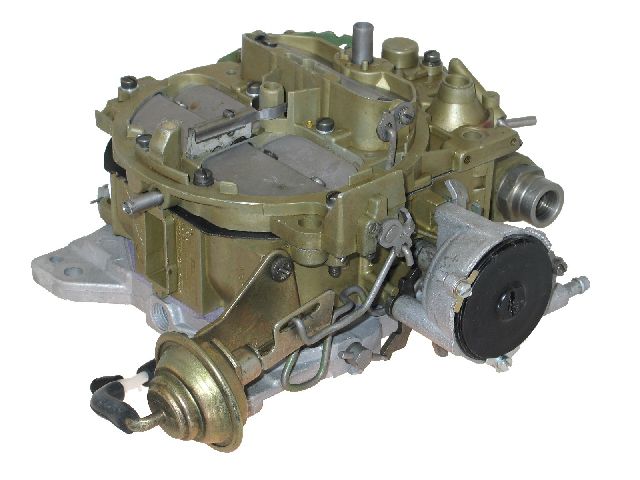
Most V8 models in this year range used a Rochester Quadrajet 4-barrel carburetor. Key specifications to match are CFM rating (typically 500-650 for stock engines), fuel inlet type, and choke type (electric or thermostatic).
We Have This Part in Stock

The information in this article is provided for general reference and educational purposes only. Vehicle specifications, procedures, and part compatibility can vary by production date, trim level, and region. Always consult your vehicle's factory service manual and verify part numbers before purchasing or performing repairs. Safety-critical components such as airbags, seat belts, and braking systems should be installed by a qualified professional.