

Dodge D100 Oxygen Sensor: The Definitive Guide for 1979-1989
Not all 1979-1989 D100 trucks use an oxygen sensor—here’s how to find the right one if your truck needs it.
- First, confirm if your D100 model actually has an oxygen sensor; many early models in this range do not.
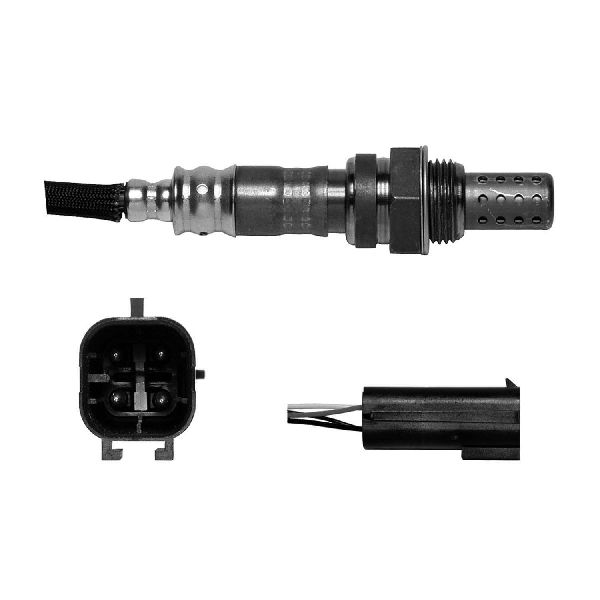
- Identify whether you need a 1-wire (for feedback carburetors) or 4-wire (for TBI) sensor before buying.
- For best results and to avoid issues, choose a premium aftermarket brand like NTK or Denso.
- Replacing a bad O2 sensor can restore fuel economy and prevent expensive damage to your catalytic converter.
Is There an Oxygen Sensor on Your 1979-1989 Dodge D100?
This is the most important question for D100 owners. Unlike modern vehicles, not every truck in this year range was equipped with an oxygen sensor. The answer depends on the year and the type of fuel system your truck has.
- Purely Carbureted (Likely No O2 Sensor): Most D100s from 1979 through the early 1980s had a standard, non-electronic carburetor and did not use an oxygen sensor. If your truck has no computer control over its fuel system, you won't find an O2 sensor.
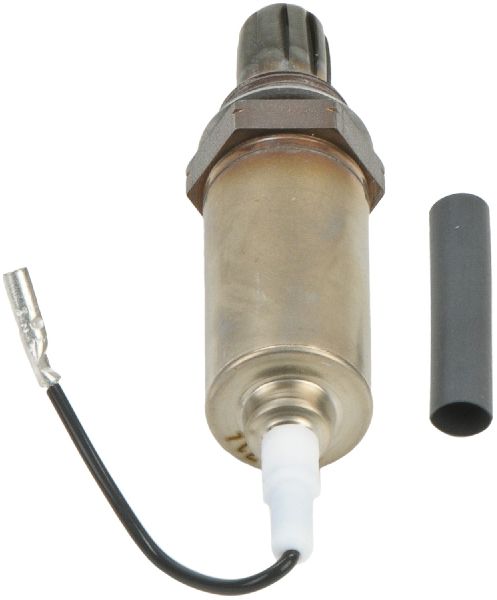
- Electronic Feedback Carburetor (Likely a 1-Wire O2 Sensor): Starting around 1984, some D100s used an electronic feedback carburetor system to meet emissions standards. These trucks use a simple, non-heated, 1-wire oxygen sensor.
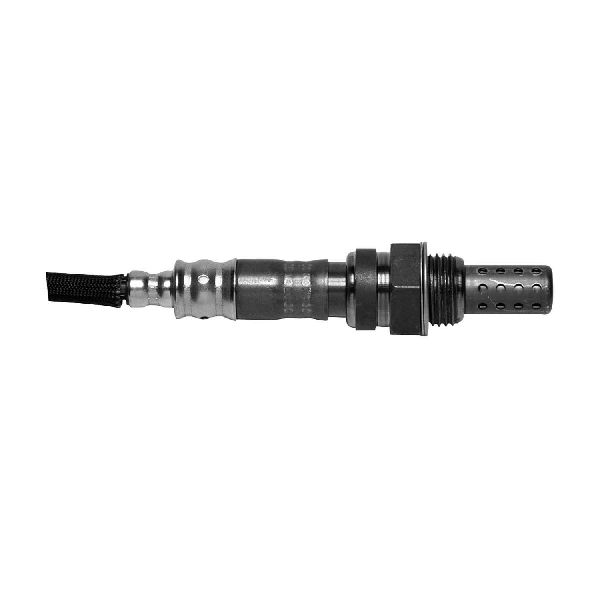
- Throttle Body Injection (TBI) (Heated 4-Wire O2 Sensor): In 1988, Dodge introduced TBI on the 5.2L V8, followed by the 5.9L V8 in 1989. These fuel-injected models use a more complex heated, 4-wire oxygen sensor for faster and more accurate readings.
Symptoms of a Failing Oxygen Sensor
When an O2 sensor starts to fail, it sends bad information to the engine computer. This can cause a number of noticeable problems as the engine struggles to maintain the right air-fuel balance.
- Check Engine Light: This is often the first and most obvious sign. The computer detects a signal from the sensor that is out of the expected range.
- Poor Fuel Economy: A bad sensor can cause the engine to run too rich (using too much fuel), meaning you'll be stopping for gas more often.
- Rough Engine Performance: You might experience a rough idle, engine hesitation, sputtering, or misfires because the air-fuel mixture is incorrect.
- Rotten Egg Smell: A strong smell of sulfur from the exhaust is a classic sign of a rich-running engine, which can quickly damage your expensive catalytic converter.
- Failed Emissions Test: An incorrect air-fuel ratio leads to higher-than-normal pollutants in the exhaust, causing a failed smog check.
Choosing the Right Aftermarket Oxygen Sensor
For a classic truck like the D100, original Mopar parts are virtually non-existent. The good news is that several reputable aftermarket brands produce high-quality replacements. Based on owner experiences in forums, brand choice does matter.
Premium Brands (Recommended)
These brands are often original equipment (OE) manufacturers for many car companies and are widely trusted for their reliability and performance.
- NGK / NTK: Often cited as the OEM brand for Chrysler products. They are highly recommended by Dodge truck owners for their reliability and accurate performance.
- Denso: Another top-tier Japanese brand with a strong reputation for quality and longevity. Many owners consider Denso and NTK to be the best choices.
Reputable Aftermarket Brands
These brands offer a good balance of quality and price. They are generally reliable, though some forum discussions show mixed opinions compared to the premium brands.
- Bosch: A massive parts manufacturer, but their O2 sensors have a hit-or-miss reputation among some classic Dodge truck owners. Some report they work perfectly, while others have experienced issues with warm-up times or longevity compared to NTK or Denso.
- Delphi: A well-known and generally trusted aftermarket parts supplier.
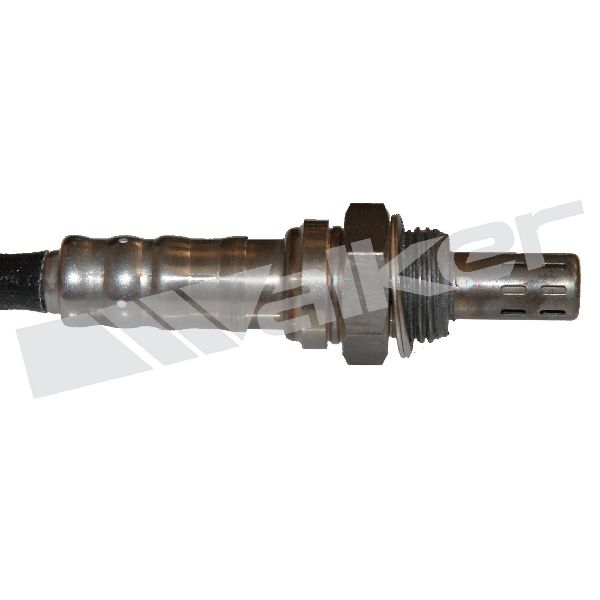
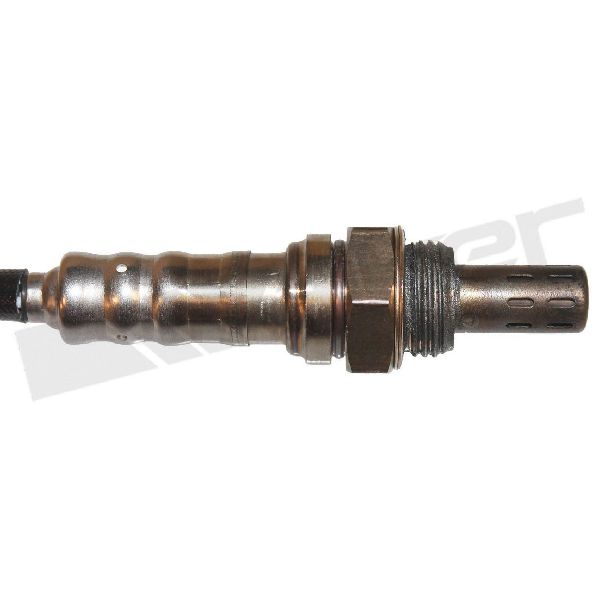
- Walker Products: Known primarily for exhaust components, Walker also produces sensors that are considered a solid standard replacement option.
Budget-Friendly Brands
These brands can save you money upfront, but may not offer the same long-term reliability as premium options.
- DriveWire: Often one of the lowest-priced options available online.
| Part Type | Estimated Cost |
|---|---|
| New Aftermarket (1-Wire, Non-Heated) | $20 - $50 |
| New Aftermarket (4-Wire, Heated) | $39 - $91 |
| Shop Labor for Installation | $60 - $120 |
Frequently Asked Questions
How do I know if I need a 1-wire or 4-wire sensor?
You must check your vehicle. A 1-wire sensor was used on earlier models with electronic feedback carburetors (approx. 1984-1987). A 4-wire sensor was used on later models with throttle body fuel injection (TBI) (approx. 1988-1989). Visually inspect the sensor in your exhaust to be certain.
Where is the oxygen sensor located?
It is always located in the exhaust system, before the catalytic converter. This is called the "upstream" position. On V8 models, it will be on one of the exhaust manifolds, typically on the passenger side. On Slant-6 models, it will be on the single exhaust manifold.
How difficult is it to replace an O2 sensor?
The job itself is simple: unplug the electrical connector and unscrew the old sensor. However, decades of heat and rust can seize the sensor in the exhaust pipe, making it extremely difficult to remove. Soaking it with penetrating oil beforehand and using a special O2 sensor socket is highly recommended.
Why do forums say to avoid certain brands for Dodge trucks?
Some owners have found that certain aftermarket sensors don't react as quickly or have different warm-up characteristics than the original parts. This can confuse the old engine computers on these trucks, leading to persistent check engine lights or poor performance, even with a new part. Sticking with trusted brands like NTK or Denso is the safest bet.
Are there any recalls for the D100 oxygen sensor?
No, there are no known recalls or technical service bulletins (TSBs) from Dodge or the NHTSA specifically for the oxygen sensor on the 1979-1989 D100.
Technical Specifications
OEM Part Numbers: 5227368 5233088
Crucial specification is the wire count. Models with electronic feedback carburetors use a 1-wire, non-heated sensor. Later models with Throttle Body Injection (TBI) use a 4-wire, heated sensor. Both types use an 18mm thread diameter.
We Have This Part in Stock

The information in this article is provided for general reference and educational purposes only. Vehicle specifications, procedures, and part compatibility can vary by production date, trim level, and region. Always consult your vehicle's factory service manual and verify part numbers before purchasing or performing repairs. Safety-critical components such as airbags, seat belts, and braking systems should be installed by a qualified professional.