

GMC C1500 A/C Clutch Cycle Switch: A Guide for 1979-1989 Models
If your classic Square Body's A/C isn't cutting it, the clutch cycle switch is a common and easy part to check.
- A faulty A/C clutch cycle switch often causes warm air or prevents the compressor from turning on.
- Symptoms of a bad switch are nearly identical to low refrigerant; always check system pressure first.
- Replacement is a simple, DIY-friendly job that usually takes less than 15 minutes and requires no special tools.
- You typically do not need to evacuate the A/C system to replace this switch, as it's mounted on a Schrader valve.
Is Your Truck's A/C Acting Up?
A faulty A/C clutch cycle switch is a frequent cause of air conditioning problems in 1979-1989 GMC C1500s. Because this switch controls when the compressor runs, its failure can lead to several noticeable symptoms. Understanding these signs can help you decide if this simple part is the source of your A/C troubles.
Symptoms of a Failing A/C Clutch Cycle Switch
- A/C Blows Warm or Not Cold Enough: The most common symptom. If the switch fails in the 'off' position, the compressor will never engage, and the system won't produce any cold air. If it's failing intermittently, you might get cool air that turns warm unexpectedly.
- Compressor Clutch Does Not Engage: When you turn on the A/C, you should hear a 'click' from the engine bay as the compressor's magnetic clutch engages. If you don't hear this and the compressor pulley's center hub isn't spinning, the cycle switch may not be sending the signal to turn on. This is often because the switch has detected low refrigerant pressure (either from a leak or a faulty switch) and is preventing the compressor from running to protect it.
- A/C Compressor Cycles On and Off Rapidly: This is known as "short-cycling." You might hear the compressor clutch clicking on and off every few seconds. While this can be a sign of a bad switch, it is more commonly caused by an undercharged A/C system (low refrigerant). The low pressure causes the switch to constantly trip and reset.
Choosing Your Aftermarket Replacement
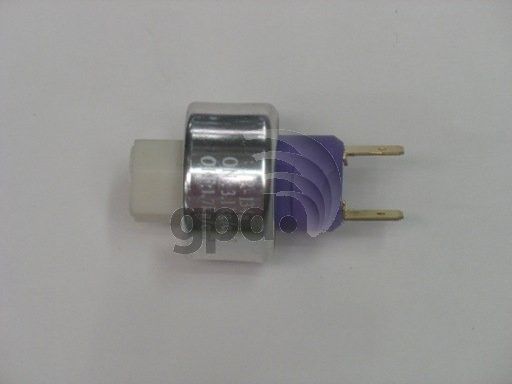
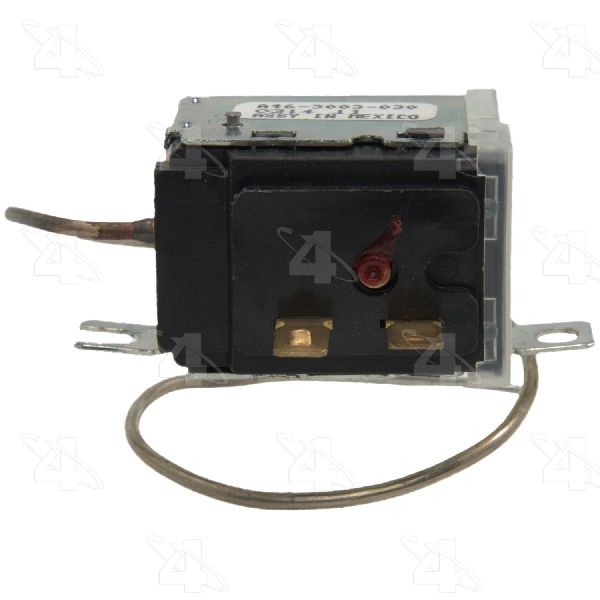
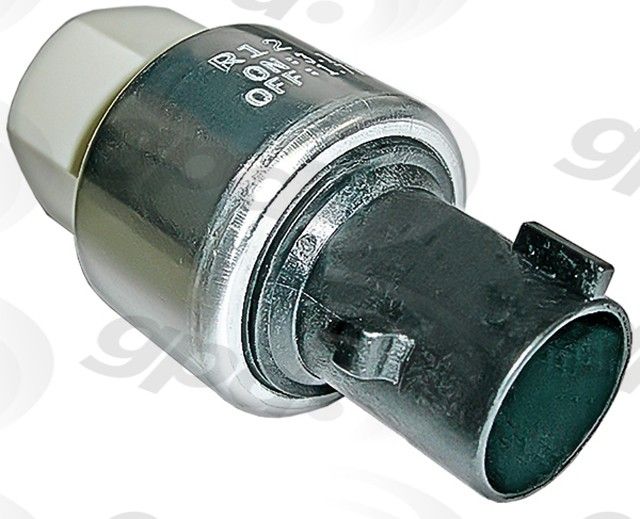
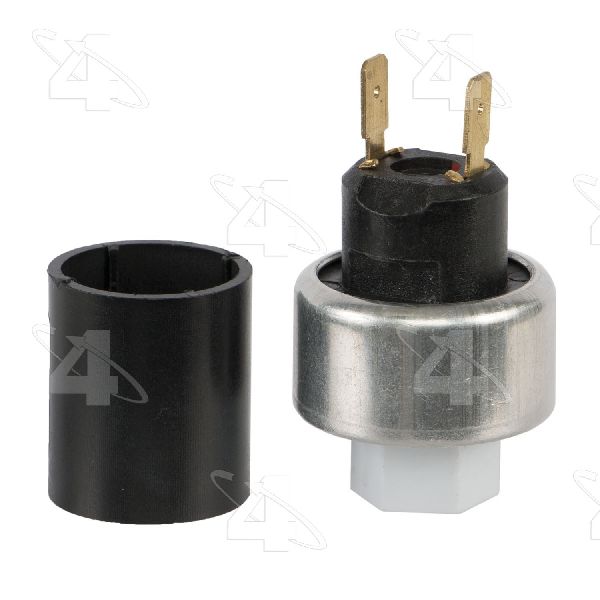
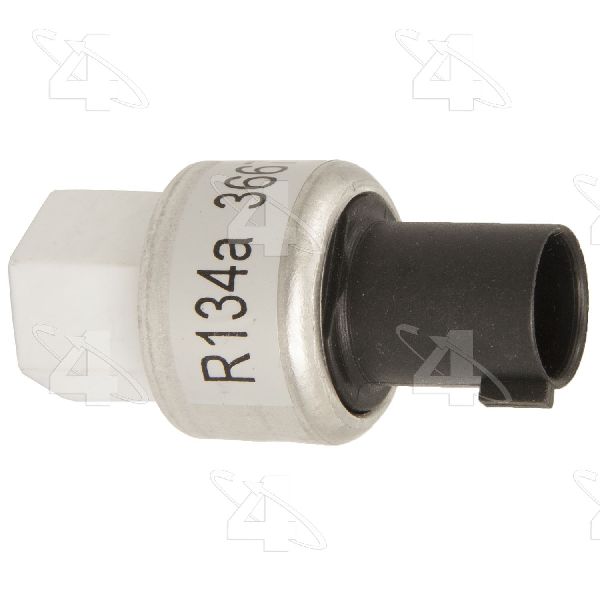
For a vehicle from this era, new original equipment (OEM) parts from GM are generally not available. The market for the 1979-1989 C1500 consists almost entirely of aftermarket brands. When choosing a new switch, you'll find brands like Four Seasons and Global Parts (GPD).
- Economy Brands (e.g., some Four Seasons products): Four Seasons is a widely available aftermarket brand. However, owner feedback is mixed; some users report them as being cheap, re-boxed parts that fail prematurely, while others use them without issue. They are typically the most affordable option.
- Standard Aftermarket Brands (e.g., Global Parts, some Four Seasons products): These parts often have a slightly better reputation for reliability. While GPD has also had some reported failures, they are a common choice in the aftermarket A/C world. For a part this inexpensive and easy to replace, many owners opt for a readily available aftermarket brand and keep an eye on its performance.
Pro Tip: Check the Simple Stuff First
Before replacing the switch, ensure your A/C system is properly charged with refrigerant. Many symptoms of a bad switch are identical to those of a low refrigerant charge. A technician can check your system's pressure, or you can use a DIY gauge kit, keeping in mind that many of these trucks have been converted from R-12 to R-134a refrigerant.
A/C Clutch Cycle Switch Replacement Cost
Replacing the A/C clutch cycle switch is one of the more affordable A/C repairs you can make. The part itself is inexpensive, and labor is minimal.
| Part Type | Estimated Cost |
|---|---|
| New Aftermarket Switch | $16.38 - $39.28 |
| Shop Labor | $50 - $100 |
| Total Estimated Cost (Installed) | $66 - $140 |
Cost estimates are for the part and basic installation and do not include diagnostic fees or A/C system recharging if needed.
Frequently Asked Questions (FAQ)
Where is the A/C clutch cycle switch on my 1979-1989 GMC C1500?
The switch is almost always located on the A/C accumulator (or receiver/drier). This is a metal cylinder, typically black or silver, mounted on the passenger side of the firewall in the engine bay. The switch is screwed into a port on the accumulator.
Do I need to have my A/C system evacuated to replace this switch?
No, in most cases you do not. The switch is mounted on a Schrader valve, similar to a tire valve stem. When you unscrew the old switch, the valve should seal the system, preventing refrigerant from escaping. You may hear a very brief hiss as a tiny amount of trapped refrigerant is released.
Why is my A/C compressor turning on and off so quickly?
This is called short-cycling and is a classic symptom of low refrigerant. The pressure drops, the switch turns the compressor off, the pressure equalizes and rises, and the switch turns the compressor back on, repeating the cycle rapidly. While a faulty switch can cause this, you should verify your system's refrigerant charge first.
Can I test the switch before replacing it?
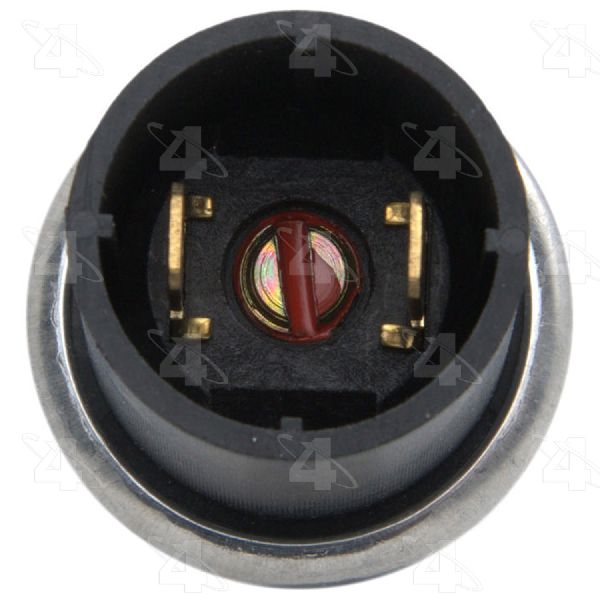
Yes. A common DIY test is to unplug the electrical connector from the switch and use a small wire or paperclip to connect the two terminals in the connector. With the engine running and A/C on, this bypasses the switch and should force the compressor clutch to engage. If the clutch engages, it strongly suggests the switch is faulty or the system pressure is too low. Do not leave the switch bypassed for more than a few seconds, as this can damage the compressor if the refrigerant level is indeed low.
A Note on Recalls and TSBs
As of early 2026, there are no specific recalls or Technical Service Bulletins (TSBs) from the NHTSA related to the A/C clutch cycle switch for the 1979-1989 GMC C1500 model years. Any A/C issues on a vehicle of this age are typically addressed as standard repairs due to age and wear.
Technical Specifications
Low-pressure switch for CCOT (Cycling Clutch Orifice Tube) A/C systems. Located on the accumulator.
We Have This Part in Stock

The information in this article is provided for general reference and educational purposes only. Vehicle specifications, procedures, and part compatibility can vary by production date, trim level, and region. Always consult your vehicle's factory service manual and verify part numbers before purchasing or performing repairs. Safety-critical components such as airbags, seat belts, and braking systems should be installed by a qualified professional.