

GMC G3500 Power Steering Pump Guide: 1979-1989
Everything you need to know before replacing the power steering pump on your 1979-1989 GMC G3500 van.
- A whining noise when turning is the number one sign of a power steering problem; check your fluid level first.
- You will need a special pulley puller/installer tool for this job; do not try to hammer the pulley on or off.
- The quality of remanufactured pumps can be inconsistent; consider a new aftermarket unit for better reliability.
- Always flush the old fluid and bleed the air from the system to protect your new pump from damage.
Is Your Power Steering Pump Failing?
When the power steering pump in your G3500 starts to fail, it usually gives you clear warning signs. Because this system is hydraulic, the first sign is often a noise or a change in how the steering feels. Ignoring these symptoms can lead to a complete loss of steering assist.
Common Symptoms of a Bad Power Steering Pump
- Whining or Groaning Noises: This is the most common sign. You may hear a whining or groaning sound that gets louder when you turn the steering wheel or as the engine RPM increases. This is often caused by low fluid or air getting into the pump.
- Stiff Steering: The steering wheel becomes very difficult to turn, especially at low speeds or when parking. It might feel like you are driving a vehicle without power steering.
- Fluid Leaks: You may find reddish or light brown puddles under the front of your van. The pump itself might be wet with fluid, often leaking from the main shaft seal behind the pulley or from the reservoir seals.
- Squealing Sound on Startup: A loud squeal when you first start the engine can point to a problem with the pump or the belt that drives it.
- Metal Flakes in Fluid: If you check the power steering fluid and see shiny metal particles, it's a sign of internal pump damage. The pump is grinding itself apart from the inside.
Known Issue: Extreme Cold Weather
A General Motors Technical Service Bulletin (TSB 12-02-32-002B) covers GM trucks from this era. In extremely cold temperatures below -22°F (-30°C), the standard power steering fluid can thicken. This can cause high pressure, leading to leaks, noise, or damage to the pump and hoses. If you operate your van in very cold climates, using a specific cold-climate power steering fluid is recommended after flushing the system.
Choosing the Right Aftermarket Pump
For a 1979-1989 G3500, finding a brand new OEM power steering pump from GM is not realistic. The market consists of new aftermarket parts and remanufactured parts. It's important to understand the difference.
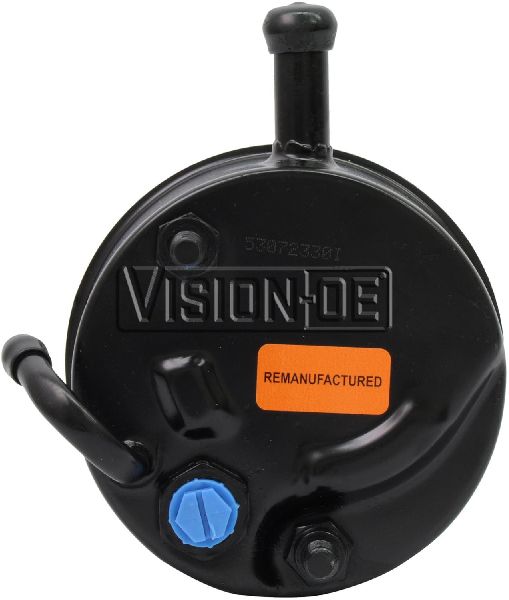
- Remanufactured: This is the most common type available. A company takes an original used pump (the "core"), disassembles it, cleans it, and replaces wear items like seals, O-rings, and bearings. Brands like Cardone and BBB Industries are major suppliers of remanufactured pumps.
- New Aftermarket: A new aftermarket pump is made from all-new components, with no recycled core. These can be harder to find but may offer better reliability than some remanufactured options.
Brand Quality: What to Expect
When shopping for your G3500, you will likely see these brands. Real-world feedback from mechanics and owners is mixed.
- Cardone: A very common brand for remanufactured parts. However, their reputation among long-time mechanics and on forums is often poor, with many reports of pumps that are noisy out of the box or fail quickly. Some users have had to replace them multiple times to get a good one.
- BBB Industries: Another large remanufacturer. Their quality is often seen as similar to Cardone. Like Cardone, you might get a good part, or you might get one that fails early.
- Atlantic Automotive Enterprise (AAE): AAE offers both new and remanufactured pumps. They are generally considered a step up in quality from the budget remanufactured options, but it's important to check if you are buying a new or remanufactured unit.
Pro Tip: New vs. Remanufactured
Given the inconsistent quality of some remanufactured pumps, choosing a new aftermarket pump is often a safer bet for long-term reliability, even if it costs a little more. If you must use a remanufactured pump, buy from a supplier with a good warranty and return policy. Also, be sure to flush the entire system and replace the old fluid to avoid damaging the new pump.
Cost to Replace a G3500 Power Steering Pump
Here is a general breakdown of what to expect for costs. Prices can vary based on your location and the specific part you choose.
| Item | Estimated Cost |
|---|---|
| New Aftermarket Part | $79.89 - $235.43 |
| Shop Labor | $293 - $430 |
| Total Professional Replacement | $375 - $665 |
Frequently Asked Questions (FAQ)
Do I need a special tool to replace the pump?
Yes. The pulley on the pump is a press-fit design. You will need a specific power steering pulley puller and installer tool to remove the pulley from your old pump and install it on the new one. Do not use a hammer or a standard gear puller, as this will damage the pulley and the pump.
Should I replace the power steering hoses at the same time?
It is highly recommended. The rubber hoses degrade over time, and the pressure from a new pump can cause old, weak hoses to leak or burst. Replacing the high-pressure and return hoses is a cheap and effective way to protect your new pump and avoid future problems.
What kind of fluid should I use in my G3500?
Always use new, clean power steering fluid. Check the bottle to ensure it is compatible with GM vehicles of this era. Do not use transmission fluid unless it is specifically stated to be compatible. After installation, you must flush the old fluid and bleed all the air out of the system to prevent noise and damage to the new pump.
Are there any recalls for the power steering pump on my van?
No. A search of the National Highway Traffic Safety Administration (NHTSA) database shows no safety recalls for the hydraulic power steering pump on the 1979-1989 GMC G3500. Recalls for GM trucks you may have heard about involve much newer vehicles with electric power steering systems.
Technical Specifications
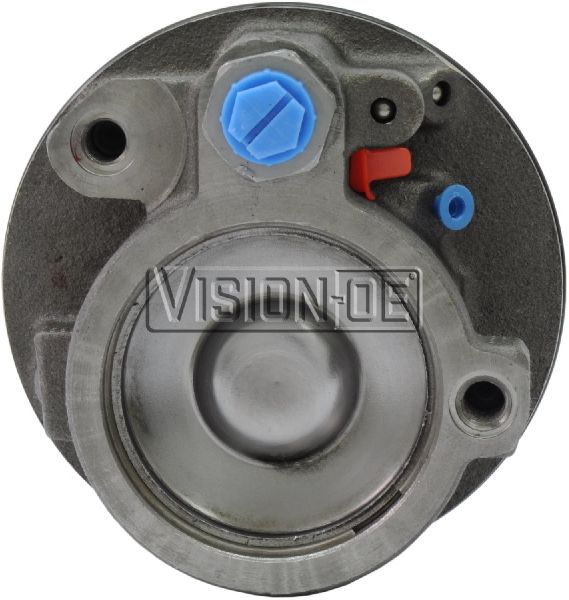
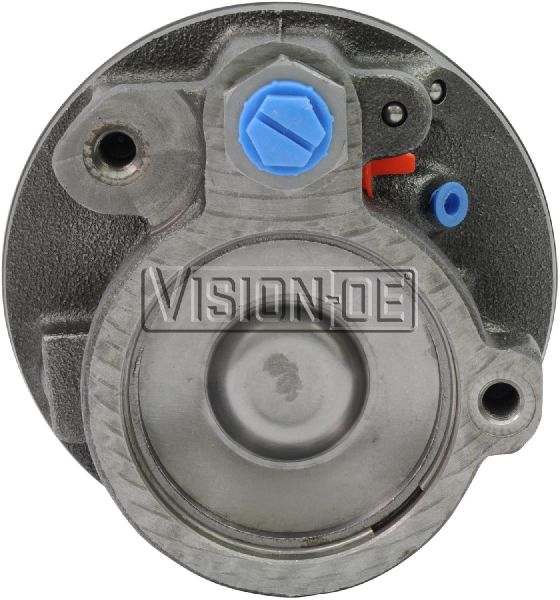
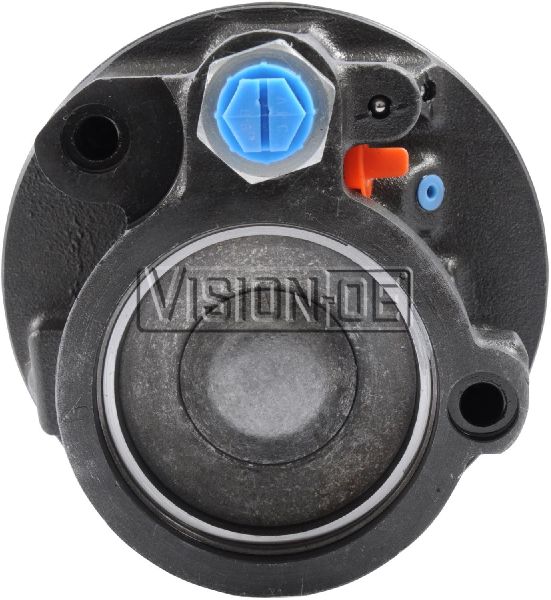
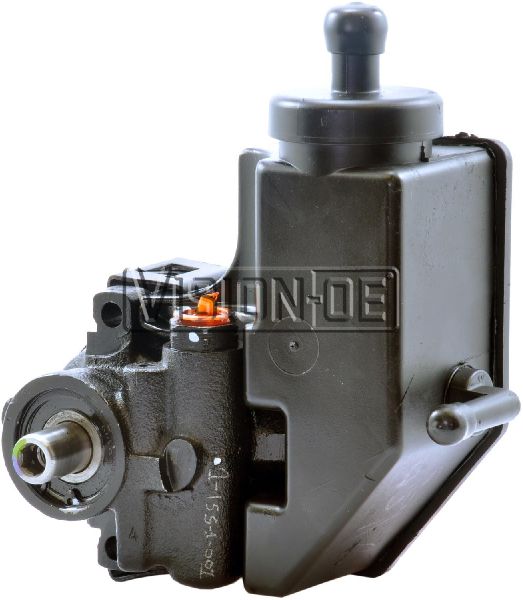
This vehicle uses a Saginaw-style power steering pump with a press-on pulley and an attached or remote reservoir. The V-belt system from the engine's crankshaft drives the pump.
We Have This Part in Stock

The information in this article is provided for general reference and educational purposes only. Vehicle specifications, procedures, and part compatibility can vary by production date, trim level, and region. Always consult your vehicle's factory service manual and verify part numbers before purchasing or performing repairs. Safety-critical components such as airbags, seat belts, and braking systems should be installed by a qualified professional.
- 🛍️ Shop This Part
- Is Your Power Steering Pump Failing?
- Common Symptoms of a Bad Power Steering Pump
- Known Issue: Extreme Cold Weather
- Choosing the Right Aftermarket Pump
- Brand Quality: What to Expect
- Pro Tip: New vs. Remanufactured
- Cost to Replace a G3500 Power Steering Pump
- Frequently Asked Questions (FAQ)
- 🎟️ Get 5% Off