

Choosing the Right Disc Brake Pads for Your 1979-1989 GMC P2500
Stopping a heavy-duty workhorse like the P2500 requires the right brake pads; here’s what you need to know.
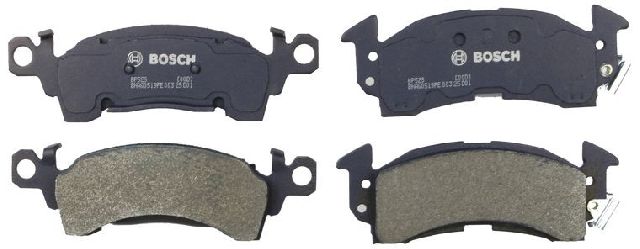
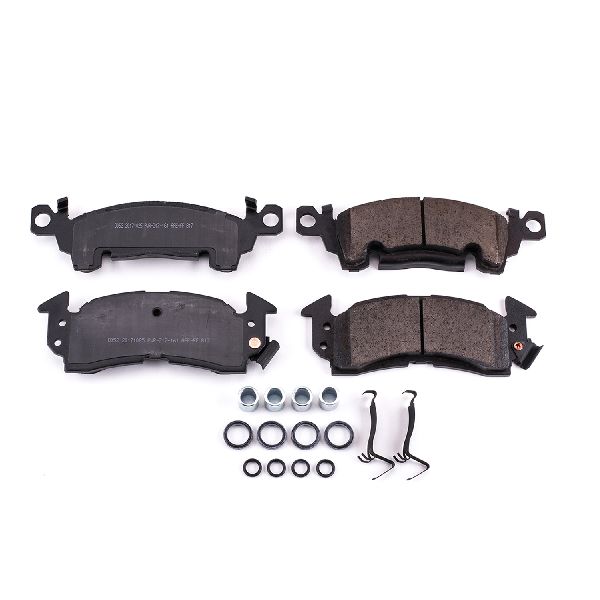
- For a heavy vehicle like the P2500, choose heavy-duty or severe-duty brake pads from brands like Wagner, Powerstop, or Bosch for maximum safety and performance.
- Semi-metallic brake pads are generally the best material choice for this truck due to their excellent heat dissipation and stopping power under load.
- Always inspect your brake rotors when replacing pads. It is highly recommended to replace rotors and pads at the same time for best performance.
- Do not ignore brake noises. A grinding sound means your brakes are in a critical state and require immediate attention to avoid further damage and ensure safety.
Signs of Failing Brake Pads
Worn brake pads give several warning signs. Ignoring them can lead to more expensive repairs, like replacing rotors or calipers. Be aware of these symptoms:
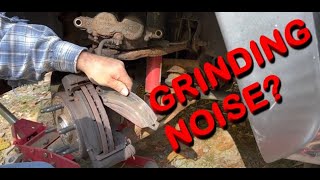
- Squealing or Grinding Noises: A high-pitched squeal when you apply the brakes is often the first sign. This sound comes from a small metal tab called a wear indicator. If you hear a grinding noise, it means the pads are completely worn down, and metal is grinding against metal, which is a serious safety issue. 🎬 Watch: Diagnosing and fixing that grinding noise on GM trucks
- Vibration or Pulsating: If you feel the brake pedal pulse or the steering wheel shake when braking, it could mean the brake pads have worn unevenly. This can also be a sign of warped brake rotors, which often happens when worn pads are not replaced in time.
- Longer Stopping Distances: If your truck takes longer to stop than it used to, your brake pads may be worn out and unable to create enough friction. This is a critical safety failure, especially for a heavy vehicle.
- Brake Warning Light: Some vehicles have a sensor that triggers a warning light on the dashboard when the brake pads are low.
Immediate Attention Required
If you hear a grinding sound or your brake pedal feels soft and goes to the floor, your brake system needs immediate service. Do not drive the vehicle if you experience these symptoms.
Choosing the Right Aftermarket Brake Pads
For a vehicle as old as the 1979-1989 P2500, OEM (Original Equipment Manufacturer) parts may be hard to find or discontinued. Aftermarket parts are your most likely option and often provide excellent quality and value. Given the P2500's use as a heavy-duty vehicle, choosing the right pad material is crucial.
Brake Pad Brand Tiers for Your P2500
Not all brake pads are created equal. They generally fall into a few categories based on their intended use and quality. For a heavy vehicle like the P2500, prioritizing heavy-duty or severe-duty pads is a smart choice.
| Tier | Brands | Best For |
|---|---|---|
| Heavy-Duty / Severe-Duty | Wagner (SD/OEX), Powerstop (Z36 Truck & Tow), Bosch (Severe Duty), Hawk Performance, EBC Brakes | Owners who use their P2500 for hauling, towing, or commercial purposes. These pads are designed for high heat and repeated, heavy stops. They offer the best stopping power for a heavy vehicle. |
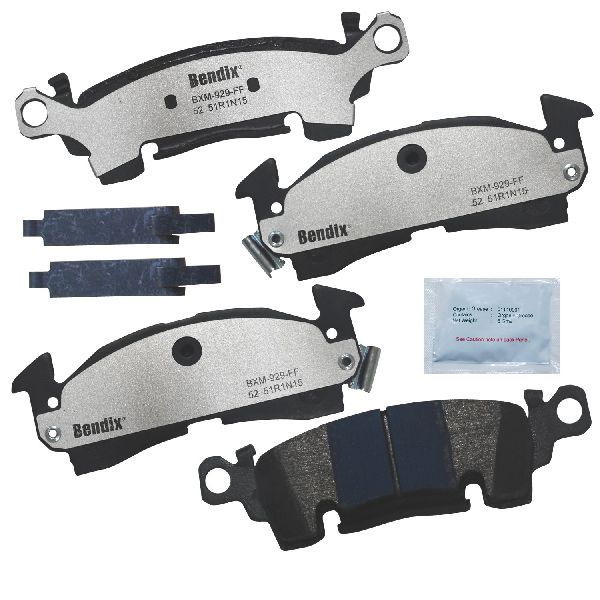
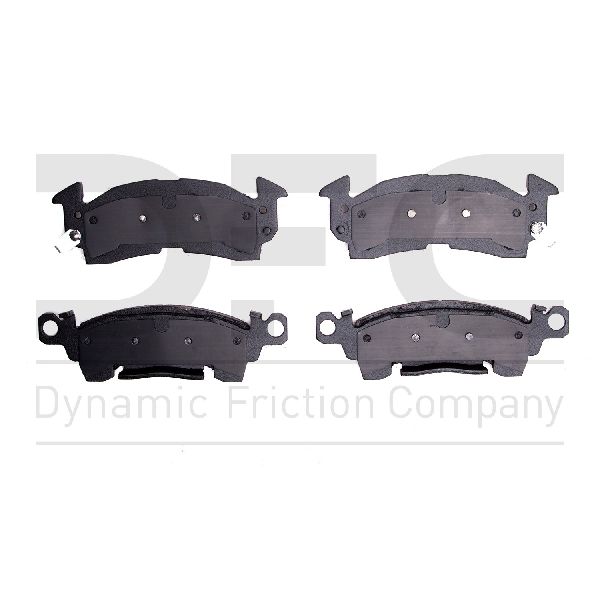
| Daily Driver / Standard Replacement | Bendix, Centric (Posi-Quiet), Raybestos (Element3), Dynamic Friction | Owners who use their P2500 for lighter-duty tasks without consistent heavy loads. These brands are well-regarded for providing performance similar to or better than original parts and offer a good balance of durability, low noise, and value. |
| Economy | Store brands or lower-tier lines from major manufacturers. | Not generally recommended for a heavy vehicle like the P2500. While the low cost is tempting, these pads may wear out quickly, create more dust, and offer reduced stopping power under load. |
Pro-Tip: Semi-Metallic is a Good Choice
For a heavy truck like the P2500, semi-metallic brake pads are often the best choice. They handle heat well, provide strong stopping power, and are durable. While they can produce more dust than ceramic pads, their performance under load is superior, which is a key consideration for safety.
Known Issues, Recalls, and Service Bulletins
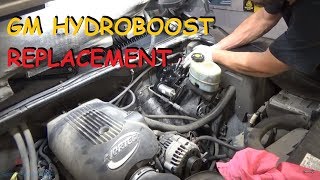
Searches for recalls and technical service bulletins (TSBs) specific to the 1979-1989 GMC P2500's brake pads did not yield any active results on the NHTSA database. This is common for vehicles of this age. However, general brake system issues on older GM trucks can include problems with brake lines or the hydroboost system, which provides power assist for the brakes. 🎬 See how to replace a failing GM hydroboost brake booster While not a pad-specific issue, ensuring the entire brake system is in good working order is crucial.
Frequently Asked Questions (FAQ)
How often should I replace the brake pads on my P2500?
There is no set mileage. It depends heavily on your driving style and how you use your truck. For a P2500 used for heavy hauling, you should inspect the brakes more frequently, perhaps every 10,000 to 15,000 miles. For lighter use, you might get 30,000 miles or more. Regular inspection is the key.
Should I replace the rotors at the same time as the pads?
It's highly recommended, especially on a heavy vehicle. New pads need a smooth, flat surface to bed-in correctly. Putting new pads on old, worn, or grooved rotors will reduce braking effectiveness and cause the new pads to wear out prematurely. Many professionals consider it standard practice to replace pads and rotors together.
What's the difference between ceramic and semi-metallic pads?
Semi-metallic pads contain metal fibers that help dissipate heat and provide strong braking force, making them ideal for trucks. They can be noisier and produce more dust. Ceramic pads are quieter, produce less dust, and are gentler on rotors, but they may not offer the same level of high-heat performance needed for heavy-duty towing or hauling. For the P2500, a heavy-duty semi-metallic pad is often the safer choice.
Can I install brake pads myself?
Replacing brake pads is a job that a knowledgeable DIYer can perform. It requires specific tools like a C-clamp or caliper compressor, a torque wrench, and jack stands for safety. However, brakes are a critical safety system. If you are not completely confident in your ability to do the job correctly, it is best to have it done by a professional mechanic.
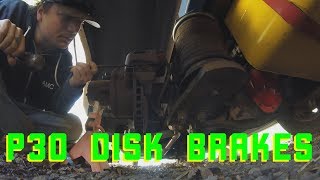
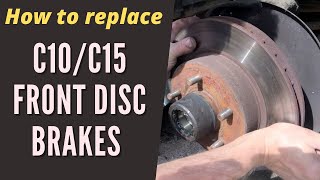
🎬 Watch: Step-by-step front brake replacement for classic GM square body trucksHelpful Videos
Technical Specifications
Brake pad material is the most critical specification. For the P2500, a semi-metallic or high-performance ceramic (specifically rated for trucks/towing) is recommended. Ensure the pads are specified for the front axle and match your vehicle's configuration (e.g., rear drum size may be a fitment note).
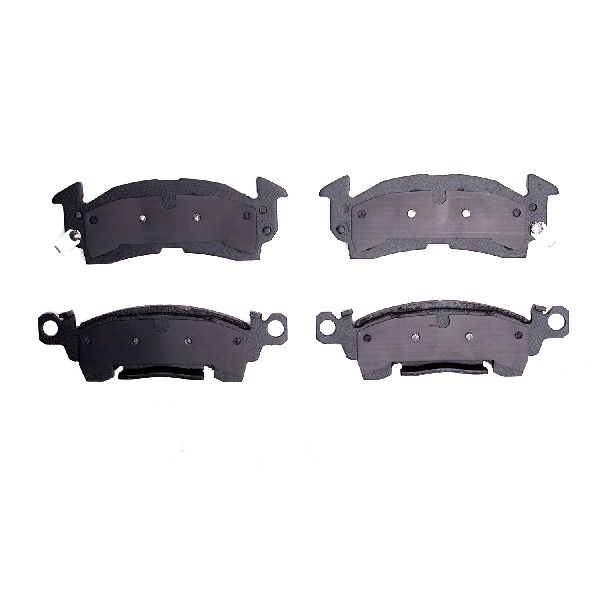
We Have This Part in Stock

The information in this article is provided for general reference and educational purposes only. Vehicle specifications, procedures, and part compatibility can vary by production date, trim level, and region. Always consult your vehicle's factory service manual and verify part numbers before purchasing or performing repairs. Safety-critical components such as airbags, seat belts, and braking systems should be installed by a qualified professional.
- 🎬 Helpful Videos
- 🛍️ Shop This Part
- Signs of Failing Brake Pads
- Immediate Attention Required
- Choosing the Right Aftermarket Brake Pads
- Brake Pad Brand Tiers for Your P2500
- Pro-Tip: Semi-Metallic is a Good Choice
- Known Issues, Recalls, and Service Bulletins
- Frequently Asked Questions (FAQ)
- 🎟️ Get 5% Off