

GMC P2500 Ignition Switch Guide: 1979-1989 Problems and Replacement
Is your GMC P2500 having trouble starting or stalling unexpectedly? Your ignition switch could be the culprit.
- A failing ignition switch can cause a no-start condition or, more dangerously, cause the engine to stall while driving.
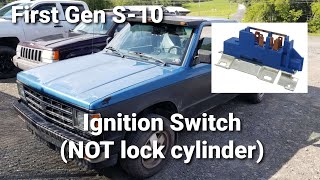
- This part is the electrical switch on the steering column, not the mechanical lock cylinder where you insert the key.
- There are no active recalls for this part on the 1979-1989 P2500; the major GM recalls from the 2010s do not apply.
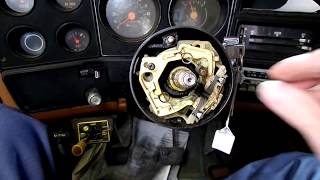
- Replacement is straightforward for a DIYer and involves lowering the steering column, not removing the steering wheel.
Is Your Ignition Switch Failing? Common Symptoms
The ignition switch on the 1979-1989 GMC P2500 is a hard-working part. After decades of use, its internal electrical contacts can wear out, leading to a variety of problems. Watch for these clear warning signs.
- Engine Won't Crank: You turn the key and nothing happens. The dashboard lights might come on, but the starter motor is silent. This often means the switch is not sending power to the starter.
- Starts, Then Immediately Stalls: The engine fires up but dies as soon as you release the key from the 'Start' to the 'Run' position. This points to a failure in the switch's 'Run' circuit, which must supply constant power to the ignition and fuel systems.
- Stalling While Driving: The engine may shut off without warning, especially when driving over a bumpy road. This is a critical safety issue, as you will also lose power steering and power brakes.
- Flickering Lights and Gauges: Your dashboard lights, gauges, radio, or heater fan may cut in and out randomly. This indicates worn contacts for the accessory or run positions inside the switch.
Choosing the Right Aftermarket Ignition Switch
For a vehicle from this era, Original Equipment Manufacturer (OEM) parts are generally no longer available. The aftermarket is your primary source. Quality can vary, so it's helpful to understand the brands available.
Brand Tiers for Your P2500:
- Premium Aftermarket (e.g., Standard Ignition): Brands like Standard Motor Products (SMP) have a long-standing reputation for producing high-quality electrical components that meet or exceed original specifications. They are often trusted by professional mechanics and are a reliable choice for durability.
- Standard Aftermarket (e.g., Rostra Powertrain): These brands offer a balance of quality and value. While not always having the top-tier reputation of a brand like Standard, they are established manufacturers that produce dependable parts for daily use.
- Economy Aftermarket (e.g., Replacement): These are the most budget-friendly options. They are designed to be a direct-fit replacement to get your vehicle running, but may not have the same long-term durability or stringent quality control as more established brands.
Cost of Replacing the Ignition Switch
The cost to replace the ignition switch on your P2500 is reasonable. The part itself is affordable, and labor is straightforward for a mechanic familiar with older GM trucks.
| Part/Service | Estimated Cost |
|---|---|
| New Aftermarket Ignition Switch | $20.77 - $55.28 |
| Shop Labor | $100 - $250 |
| Total Estimated Cost | $121 - $305 |
Frequently Asked Questions
Is there a recall on the 1979-1989 GMC P2500 ignition switch?
No. Searches for official recalls or Technical Service Bulletins (TSBs) for the ignition switch on this specific vehicle did not produce any results. While General Motors had major ignition switch recalls in the 2010s, those were for much newer cars with a different design and do not apply to your P2500.
Can I replace the ignition switch myself?
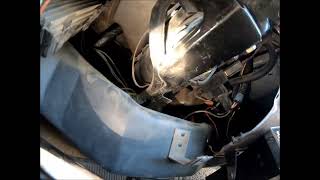
Yes, this is a DIY-feasible job for someone with basic tools and comfort working under the dashboard. The switch is mounted on the steering column. The process involves removing lower dash panels, lowering the steering column for access, unplugging the electrical connectors, and removing two screws that hold the switch. You do not need to remove the steering wheel.
🎬 See this step-by-step walkthrough for replacing the switch yourself.Will a new ignition switch require a new key?
No. The ignition switch is a separate electrical part. Your original key will continue to work in the existing ignition lock cylinder. You only need a new key if you replace the lock cylinder itself.
What happens if I don't replace a bad ignition switch?
Ignoring a failing ignition switch can leave you stranded with a vehicle that won't start. More critically, if the switch fails while you are driving, the engine will shut off, resulting in a sudden loss of power steering and power brakes, creating a serious safety hazard.
Helpful Videos
Technical Specifications
The ignition switch for this vehicle is a mechanical-electrical switch mounted on the steering column, activated by a rod connected to the ignition lock cylinder. It features multiple electrical terminals to power different vehicle systems based on key position (Accessory, Run, Start).
We Have This Part in Stock


The information in this article is provided for general reference and educational purposes only. Vehicle specifications, procedures, and part compatibility can vary by production date, trim level, and region. Always consult your vehicle's factory service manual and verify part numbers before purchasing or performing repairs. Safety-critical components such as airbags, seat belts, and braking systems should be installed by a qualified professional.