

GMC P2500 Power Steering Pump Replacement Guide (1979-1989)
Everything you need to know before replacing the power steering pump on your 1979-1989 GMC P2500 step van.
- A special power steering pulley puller/installer tool is required for this job; it can be rented from most auto parts stores.
- The quality of remanufactured pumps can be inconsistent; consider a new aftermarket unit and always buy from a vendor with a good warranty.
- Thoroughly flushing the old fluid and bleeding all air from the system after installation is critical to prevent noise and premature failure of the new pump.
- No recalls were found for the power steering pump on the 1979-1989 GMC P2500.
Is Your GMC P2500 Power Steering Pump Failing?
The hydraulic power steering system in your 1979-1989 GMC P2500 is a tough, Saginaw-style design shared with many other GM trucks of the era. While generally reliable, the pump is a wearable part that will eventually fail due to age, heat, and contaminated fluid. Because the P2500 is a heavy vehicle, you will notice the signs of a failing pump right away. Ignoring them can lead to a complete loss of steering assist.
Common Failure Symptoms
- Whining or Groaning Noises: This is the most common symptom. You'll hear a whining sound that gets louder when you turn the steering wheel. This is often caused by low fluid, air in the system, or a worn-out pump.
- Stiff or Heavy Steering: If the steering wheel becomes very hard to turn, especially when parking or driving at low speeds, the pump is likely not producing enough pressure to assist you.
- Fluid Leaks: Finding puddles of reddish or light brown power steering fluid under the front of your van is a clear sign of a leak. The pump can leak from its main shaft seal, the housing, or the attached hoses.
- Jerky or Inconsistent Assist: The steering may feel like it catches, or the level of assist changes as you turn the wheel. This can happen if the internal flow control valve is sticking.
Special Tool Required for Replacement
You cannot complete this job without a specific power steering pump pulley puller and installer tool. The pulley is press-fit onto the pump's shaft. Attempting to remove it with a standard gear puller or by prying will damage the pulley and likely the pump itself. Most auto parts stores offer this tool as a low-cost rental.
Choosing the Right Aftermarket Power Steering Pump
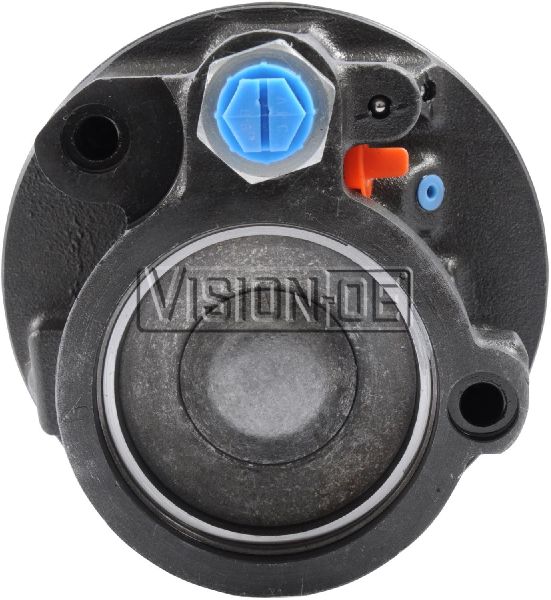
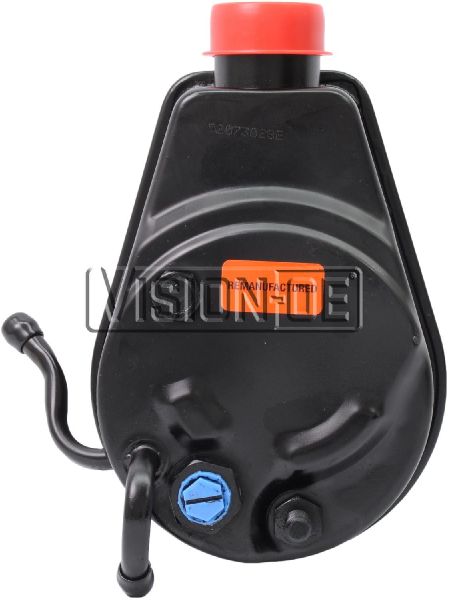
For a vehicle from this era, new Original Equipment Manufacturer (OEM) parts are generally not available. Your choice will be between new aftermarket pumps and remanufactured aftermarket pumps from brands like Cardone and BBB Industries.
New vs. Remanufactured Aftermarket Pumps
The quality of remanufactured power steering pumps can be inconsistent. Forum discussions among truck owners show very mixed results, with frequent complaints of pumps being noisy right out of the box or failing within a few months. While they are a budget-friendly option and come with a warranty, there is a risk you may have to do the job more than once. Brands like Cardone and BBB Industries are major suppliers in this space, but experiences vary widely. Some users report leaks or bearing noise shortly after installation. Because of this, a new aftermarket pump is often a better choice if available, as it typically uses all-new components and may come with a better warranty.
Maximize the Life of Your New Pump
Always flush the entire power steering system with fresh, clean fluid when you replace the pump. Old, contaminated fluid can quickly damage your new part. While you're at it, inspect the high-pressure and return hoses. If they are old, cracked, or stiff, replace them at the same time to prevent future leaks.
Estimated Replacement Costs
| Part Type | Estimated Cost |
|---|---|
| New Aftermarket Pump | $79.89 - $220.43 |
| Shop Labor | $180 - $350 |
| Total Estimated Cost | $259.89 - $570.43 |
Cost estimates are for reference only and do not include taxes, fees, or the cost of new fluid and hoses.
Frequently Asked Questions (FAQ)
Why is my new power steering pump whining?
The most common reason for a whining noise from a new pump is air trapped in the system. You must bleed the system properly after installation. To do this, fill the reservoir, and with the engine OFF and front wheels lifted off the ground, turn the steering wheel from lock to lock about 20 times. Top off the fluid and repeat. Then, start the engine and turn the wheel lock-to-lock again until the noise disappears.
Are there any recalls for the 1979-1989 GMC P2500 power steering pump?
No. A search of the National Highway Traffic Safety Administration (NHTSA) database shows no recalls for the hydraulic power steering pump on this specific vehicle. Recalls you may find online are for much newer GM trucks with different, often electric, power steering systems.
Do I have to replace the pulley and reservoir?
Most aftermarket pumps for this vehicle do not include the pulley. You will need to reuse your original pulley by swapping it over with the special puller/installer tool. Some pumps come with a new reservoir, while others require you to reuse your old one. Always check the product description before ordering.
What kind of power steering fluid should I use?
For these older GM trucks, a standard, high-quality power steering fluid is sufficient. Always check the bottle to ensure it is compatible with GM vehicles. Do not use automatic transmission fluid (ATF) unless specifically called for.
Technical Specifications
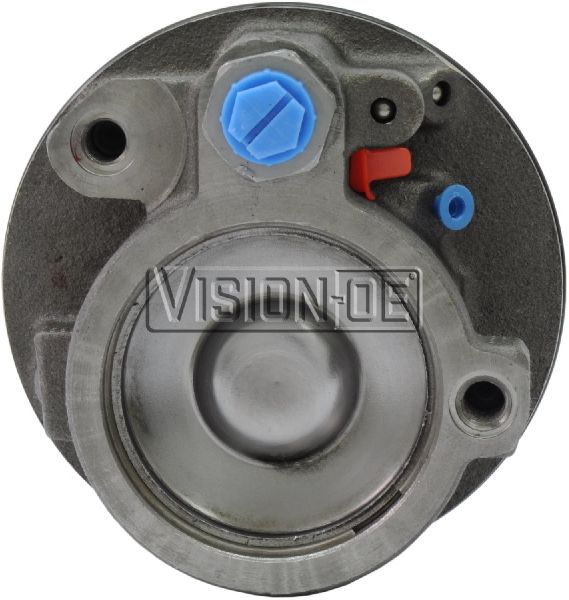
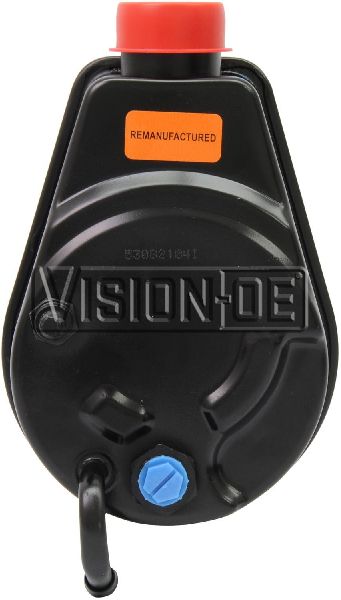
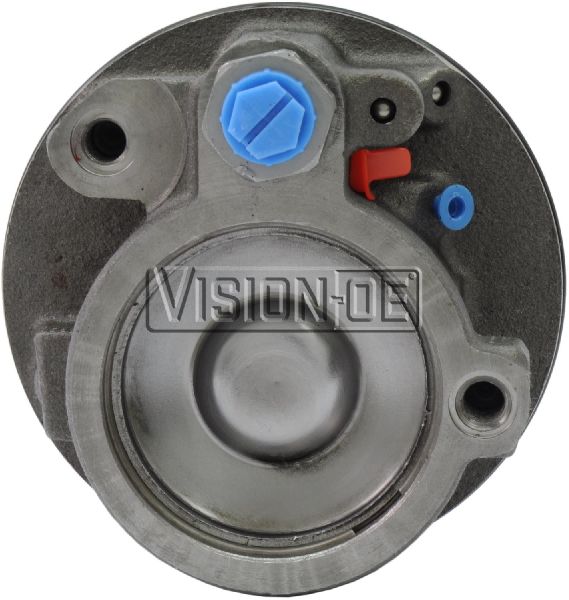
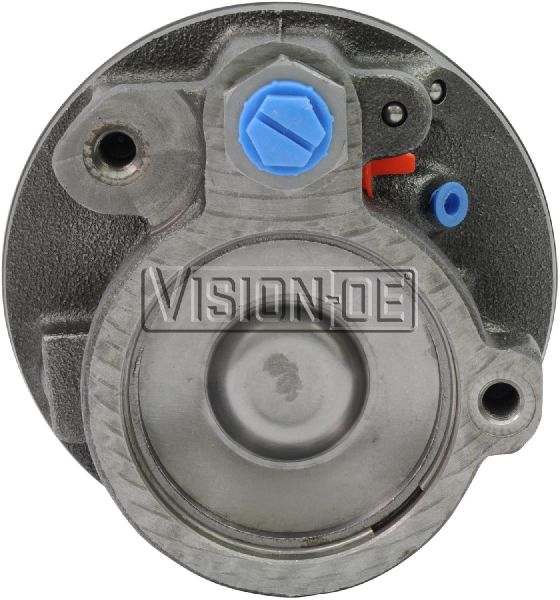
Saginaw-style hydraulic pump with external reservoir. Pulley is typically press-on and must be reused. Hose connections may vary by year and engine, so confirming fittings is recommended.
We Have This Part in Stock

The information in this article is provided for general reference and educational purposes only. Vehicle specifications, procedures, and part compatibility can vary by production date, trim level, and region. Always consult your vehicle's factory service manual and verify part numbers before purchasing or performing repairs. Safety-critical components such as airbags, seat belts, and braking systems should be installed by a qualified professional.