

GMC P2500 1979-1989 Starter Motor: A Complete Replacement Guide
Is your GMC P2500 struggling to start? This guide will help you diagnose and choose the right new starter.
- A clicking or grinding noise when starting is a strong indicator of a failing starter.
- New aftermarket starters are the most practical option, with brands like Powermaster offering premium performance and MPA offering solid OE-replacement quality.
- Consider a high-torque mini starter if you have engine modifications or experience hot-start problems (heat soak).
- Proper shimming is critical on these GM trucks to prevent noise and damage to your new starter and flywheel.
Is Your GMC P2500 Starter Failing?
A failing starter on a 1979-1989 GMC P2500 can leave you stranded. These workhorse vans rely on a strong starter to turn over their V8 engines. Recognizing the early signs of failure can save you from a no-start situation. Common problems often relate to the starter motor itself, the attached solenoid, or the electrical connections that power it.
Heat Soak: A Common Issue
Owners of this generation of GMC vans, especially those with V8 engines and aftermarket headers, often report issues with "heat soak." This happens when the starter gets so hot from the engine and exhaust that it temporarily fails to work. After the van cools down, the starter may work again. If you experience this, a high-torque or "mini" starter can be a great solution as they are often more efficient and provide better clearance from hot exhaust manifolds.
Choosing the Right Aftermarket Starter
For a vehicle from this era, new aftermarket starters are a popular and practical choice. Original Equipment (OEM) starters are no longer in production, and while remanufactured units are available, their quality can be inconsistent. New aftermarket parts offer the benefit of all-new components without the wear and tear of a rebuilt unit.
Brand Tiers for Your P2500
- Premium Aftermarket (e.g., Powermaster): Brands like Powermaster specialize in high-performance and heavy-duty starters. They often feature gear-reduction designs for increased torque, making them ideal for engines with higher compression or for solving heat-soak problems. These are a top choice for reliability and enhanced cranking power, though they come at a higher price.
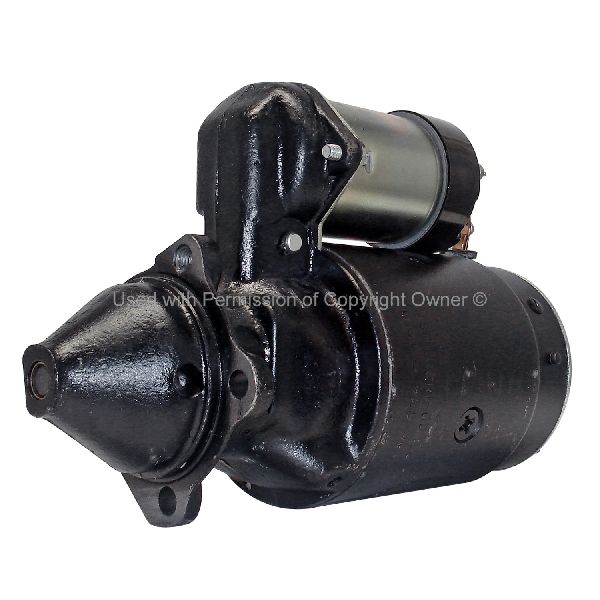
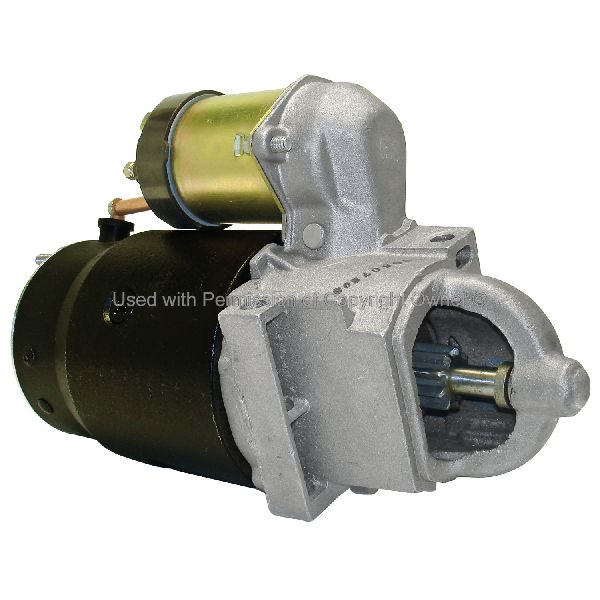
- Standard Aftermarket (e.g., MPA, Quality-Built): Motorcar Parts of America (MPA) produces starters under brands like Quality-Built. These are designed to meet or exceed original factory specifications and offer a balance of quality and affordability. They are a solid choice for a stock or lightly modified P2500.
- Economy & Performance (e.g., Proform): Proform offers a range of starters, including budget-friendly high-torque models. While some users have great success with them, particularly for gaining header clearance, online reviews show mixed results regarding long-term durability. Some owners report early failures, while others are satisfied with the value.
A Note on Shims
Many GM vehicles of this era require shims—thin metal spacers—to properly align the starter gear with the flywheel. Improper alignment is a primary cause of grinding noises and premature starter or flywheel failure. Always check the gear mesh after installing a new starter; instructions are typically included with the part. Don't assume your new starter won't need shims, even if the old one didn't have any.
Cost of a New Aftermarket Starter (1979-1989 GMC P2500)
| Part Type | Price Range |
|---|---|
| New Aftermarket Starter | $89.20 - $318.24 |
| Shop Labor for Installation | $100 - $200 |
Frequently Asked Questions
Why does my starter just click once?
A single, loud click is often a sign of a bad starter solenoid or a poor electrical connection. The click you hear is the solenoid trying to engage, but it's failing to send power to the starter motor itself. It can also be caused by a very low battery.
What's the difference between a regular starter and a high-torque starter?
A high-torque starter, often using a gear-reduction design, produces more cranking force with less electrical draw compared to the original direct-drive style. This makes them great for high-compression engines, easier starting in cold weather, and overcoming heat-soak issues.
Do I need to replace my battery cables when I replace the starter?
While not always necessary, it's a great time to inspect them. On a vehicle of this age, battery cables can become corroded internally, leading to high resistance. This can make a new starter perform poorly or seem weak. If your cables are original, stiff, or show any corrosion, replacing them is a smart investment.
Can I replace the starter myself?
Yes, for most DIY mechanics, this is a manageable job. It typically requires basic hand tools, a jack, and jack stands for safety. The starter is located on the underside of the engine where it meets the transmission. The process involves disconnecting the battery, removing two or three bolts and the electrical wires.
Technical Specifications
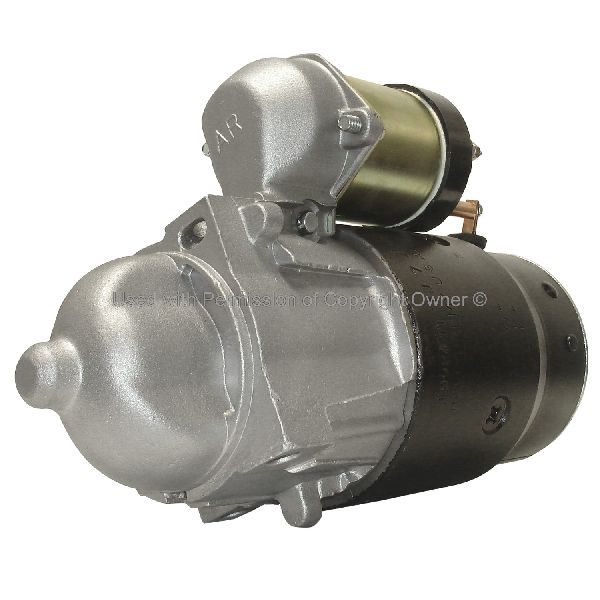
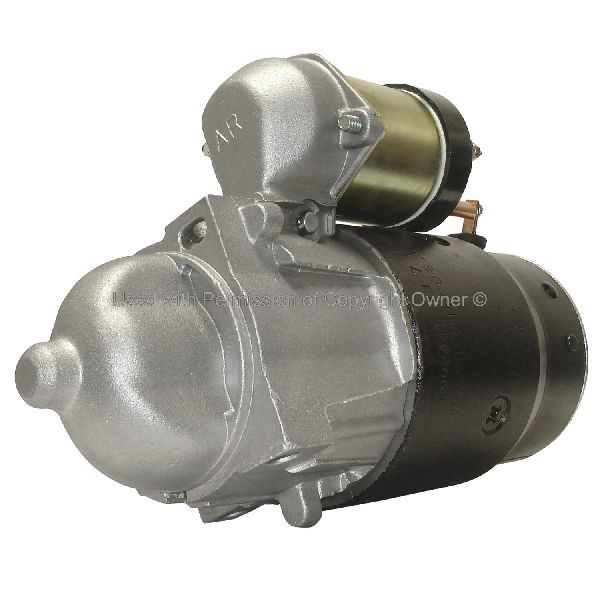
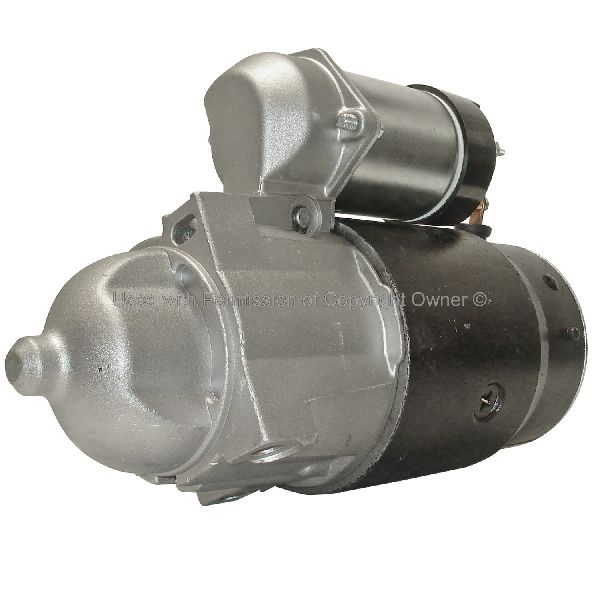
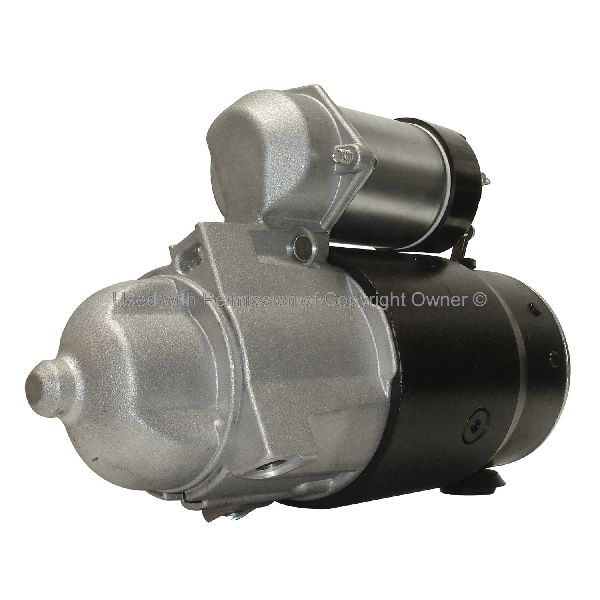
The 1979-1989 GMC P2500 was available with several engines, primarily V8s like the 5.0L and 5.7L. Starters are typically direct-drive with an attached solenoid. Many aftermarket options are high-torque, gear-reduction units which provide more cranking power. It is crucial to match the starter to your specific engine and flywheel tooth count (most common are 153 or 168 teeth).
We Have This Part in Stock

The information in this article is provided for general reference and educational purposes only. Vehicle specifications, procedures, and part compatibility can vary by production date, trim level, and region. Always consult your vehicle's factory service manual and verify part numbers before purchasing or performing repairs. Safety-critical components such as airbags, seat belts, and braking systems should be installed by a qualified professional.