

Guide to the 1979-1989 Volvo 244 Engine Coolant Temperature Sensor
Understanding the right temperature sensor for your classic Volvo 244 is key to engine performance and reliability.
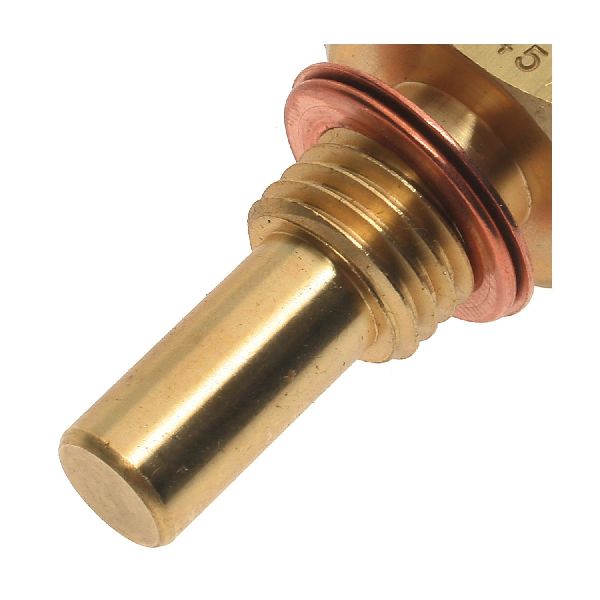
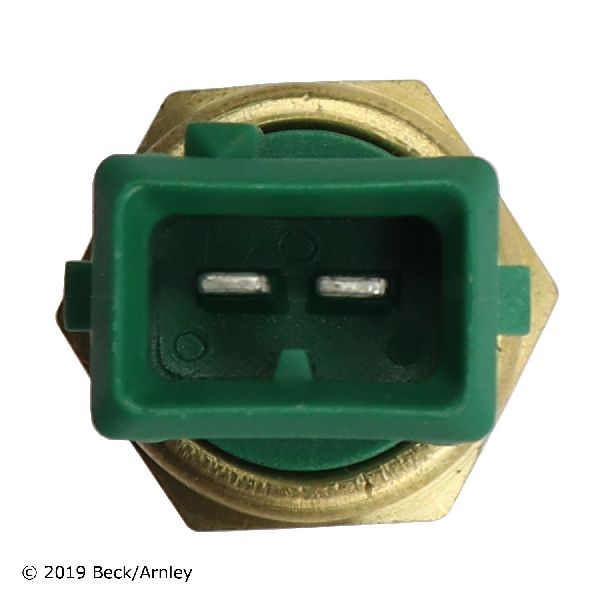
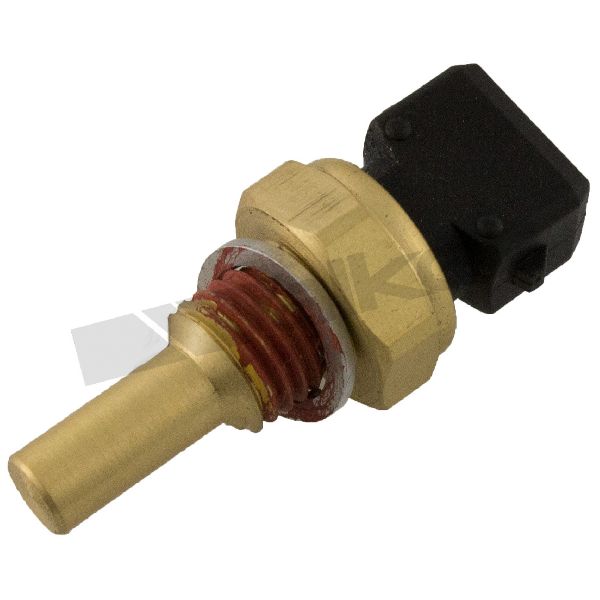
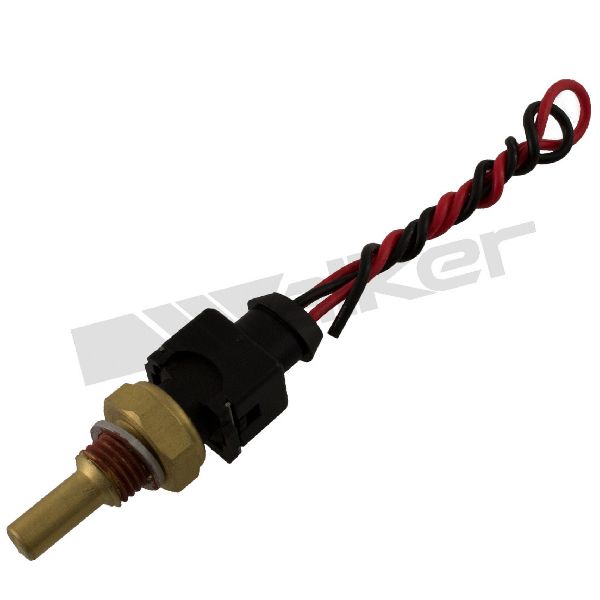
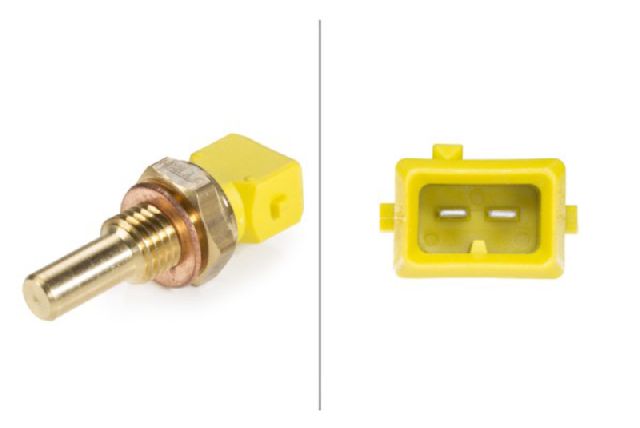
- Your Volvo 244 has two temp sensors; the two-wire sensor under intake runner #3 controls engine performance.
- Symptoms of failure include poor fuel economy, black smoke, hard starting, and rough idle.
- Access is difficult; some owners remove the intake manifold for an easier replacement.
- For reliability, choosing the OEM supplier (Bosch) or a quality aftermarket brand like Beck Arnley is highly recommended over budget parts.
Is a Failing Coolant Temperature Sensor Causing Your Volvo 244 Problems?
A faulty Engine Coolant Temperature (ECT) sensor can cause a range of frustrating issues for your 1979-1989 Volvo 244. Because this sensor directly tells the fuel injection computer how to behave, a bad sensor can mimic other problems. It might send a signal that the engine is always cold, leading to excessive fuel consumption and a rich-running condition. Conversely, if it incorrectly tells the computer the engine is warm, you may experience hard starting when the engine is cold. Given its critical role and the age of these vehicles, it's a common replacement item.
Two Sensors, One Location
Your Volvo 244 has two separate sensors located under the intake manifold. The one this article focuses on is the two-wire sensor for the fuel injection computer (ECU), typically located under the #3 intake runner. The other is a single-wire sender for the dashboard temperature gauge, usually found under the #2 intake runner. Make sure you are replacing the correct one for the symptoms you're experiencing. Problems with engine performance are tied to the two-wire ECU sensor, while an inaccurate gauge reading points to the single-wire sender.
Choosing the Right Aftermarket Sensor
When it comes to electronics on these classic Volvos, quality matters. While many budget-friendly options exist, owner experiences suggest that sticking with reputable brands pays off in the long run. Cheap, unbranded sensors have been known to fail quickly, causing you to do the job all over again.
Brand Quality Tiers for Your Volvo 244
- Top Tier (OEM Supplier): Bosch is the original equipment manufacturer for many Volvo components from this era, including the fuel injection system and its sensors. Choosing a Bosch sensor is the closest you can get to the original part's quality and performance. Many Volvo specialists recommend sticking with Bosch for critical sensors to avoid compatibility and longevity issues.
- Quality Aftermarket: Brands like Beck Arnley, Hella, and Walker Products have a reputation for producing reliable parts that meet or exceed OEM specifications. They are a solid choice if a Bosch part is unavailable or if you're looking for a good balance between cost and quality.
- Budget-Friendly: Brands like Facet, Four Seasons, and Standard Ignition offer more affordable options. While they can be a good value, be aware that consistency can sometimes be an issue. Some owners have used them without problems, while others report premature failures. If you choose a budget part, be sure to test it before installation if possible.
Pro Tip: Check Your Fuel System Type
The 1979-1989 period saw a transition from the mechanical K-Jetronic fuel injection to the electronic LH-Jetronic system (starting around 1982). K-Jet is identifiable by individual metal fuel lines going to each injector, while LH-Jetronic has wires going to the injectors on a common fuel rail. While the ECT sensor's function is similar, always confirm the part fits your specific year and fuel system (K-Jet or LH 2.0, 2.2, 2.4) before purchasing.
Typical Replacement Costs
The cost for a new aftermarket Engine Coolant Temperature Sensor is generally affordable. The biggest variable is labor if you choose to have a shop perform the replacement, as accessing the sensor can be time-consuming.
| Part Type | Estimated Cost |
|---|---|
| New Aftermarket Sensor | $20 - $55 |
| New OEM (Bosch/Volvo) Sensor | $45 - $75 |
| Shop Labor | $100 - $250 |
Frequently Asked Questions
Is it difficult to replace the ECT sensor on a Volvo 244?
It can be challenging due to its location. The sensor is located under the intake manifold, making access tight. Some mechanics and DIYers find it easier to remove the intake manifold for better access, which also provides an opportunity to replace the intake gasket and clean other components. Others with smaller hands and swivel sockets can replace it without removing the manifold. It is generally considered a DIY-feasible job for those with moderate mechanical experience.
Are there any recalls for the Volvo 244 coolant temperature sensor?
No, searches of the National Highway Traffic Safety Administration (NHTSA) database show no specific recalls for the engine coolant temperature sensor on the 1979-1989 Volvo 244.
What are the main differences between the K-Jetronic and LH-Jetronic sensors?
While both systems use a temperature sensor to inform fuel mixture, the specific resistance values and connectors can differ. Later LH 2.4 systems, for example, use a dual-thermistor sensor that sends separate signals to the fuel and ignition computers, grounding through the sensor body. It is crucial to order the part specified for your vehicle's year and fuel system to ensure correct operation.
My temperature gauge is acting weird, but the car runs fine. Is it the ECT sensor?
Probably not. If the car runs well but the dashboard gauge is erratic, the problem is likely the single-wire temperature *sender*, not the two-wire ECU sensor. The sender for the gauge is a separate part, though it is located nearby under the intake manifold.
Technical Specifications
OEM Part Numbers: 1346030 460191 9125463 1306939
The sensor is a two-wire thermistor that changes resistance based on coolant temperature. It is typically located on the driver's side of the cylinder head, under the third intake manifold runner.
We Have This Part in Stock


The information in this article is provided for general reference and educational purposes only. Vehicle specifications, procedures, and part compatibility can vary by production date, trim level, and region. Always consult your vehicle's factory service manual and verify part numbers before purchasing or performing repairs. Safety-critical components such as airbags, seat belts, and braking systems should be installed by a qualified professional.