

Engine Coolant Temperature Sensor Guide for 1979-1989 Volvo 245
This small sensor is one of the most critical parts for your classic Volvo's engine performance and starting reliability.
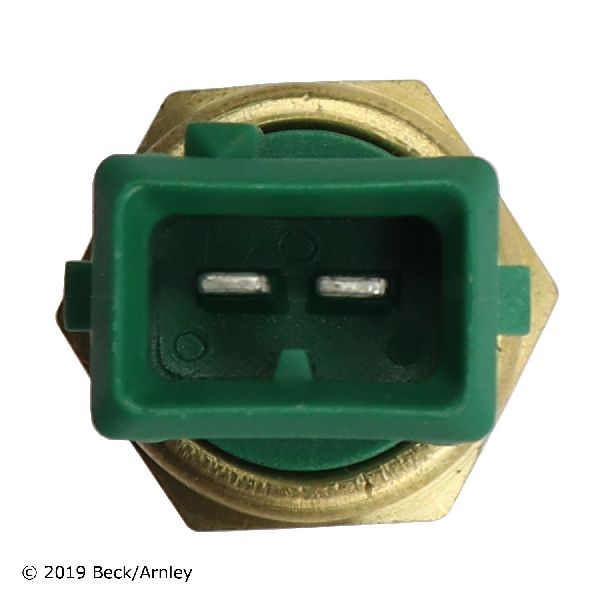
- Your Volvo 245 has two temp sensors; the two-pin sensor under the intake manifold controls the fuel injection.
- A bad sensor commonly causes hard cold starts, very poor fuel economy, and a rough idle.
- Bosch is the original equipment brand and is the most recommended choice for a reliable replacement.
- Replacement is possible for a DIYer but access to the sensor is very difficult.
Understanding the Engine Coolant Temperature Sensor in Your Volvo 245
The Engine Coolant Temperature (ECT) sensor is a small but mighty part of your Volvo 245's engine management system. Its main job is to tell the car's computer, the ECU, how hot or cold the engine is. This information is critical for everything from starting the car to getting good gas mileage. A failing sensor can cause a range of frustrating problems that are often misdiagnosed. Because these cars use the sensor's reading to control the fuel mixture, a bad sensor often makes the car run "rich," meaning it uses too much fuel.
A Common Point of Confusion
Your 1979-1989 Volvo 245 has two separate temperature sensors located under the intake manifold. One is a two-pin sensor that sends information to the fuel injection ECU (this is the part that causes running issues). The other is a single-pin sensor that operates the temperature gauge on your instrument cluster. Make sure you are diagnosing and replacing the correct sensor for your problem.
Symptoms of a Failing ECT Sensor
When the ECT sensor starts to fail, it sends incorrect information to the ECU, leading to noticeable problems. Here are the most common signs:
- Hard Starting, Especially When Cold: This is a classic symptom. If the sensor incorrectly tells the ECU the engine is already warm, it won't provide the extra fuel needed for a cold start.
- Poor Fuel Economy: If the sensor is stuck reading "cold," the ECU will continuously send extra fuel, causing your gas mileage to drop significantly.
- Black Smoke from Exhaust: An overly rich fuel mixture from a bad sensor can result in unburned fuel exiting the exhaust as black smoke.
- Rough Idle or Stalling: The engine may hunt for a stable idle, surging up and down, or even stall, especially when it should be warmed up.
- Check Engine Light: On later models with on-board diagnostics, a failing ECT sensor can trigger a fault code (like 1-2-3) and illuminate the check engine light.
Choosing the Right Aftermarket Sensor
For a critical sensor like this on a vintage Volvo, brand quality matters. While many aftermarket options are available, owner experiences suggest that sticking with proven brands prevents repeat repairs. Cheap, unbranded sensors have a reputation for failing quickly, sometimes within months.
Pro Tip: Bosch was the original equipment (OE) supplier for many of these sensors. Choosing a Bosch aftermarket part is often the safest bet for reliability and correct performance, closely followed by other reputable German brands like Hella.
Brand Tiers for Your Consideration:
- Tier 1 (OEM Quality): Bosch. As the original supplier, their sensors are trusted for accurate readings and long life. This is the recommended choice for avoiding future headaches.
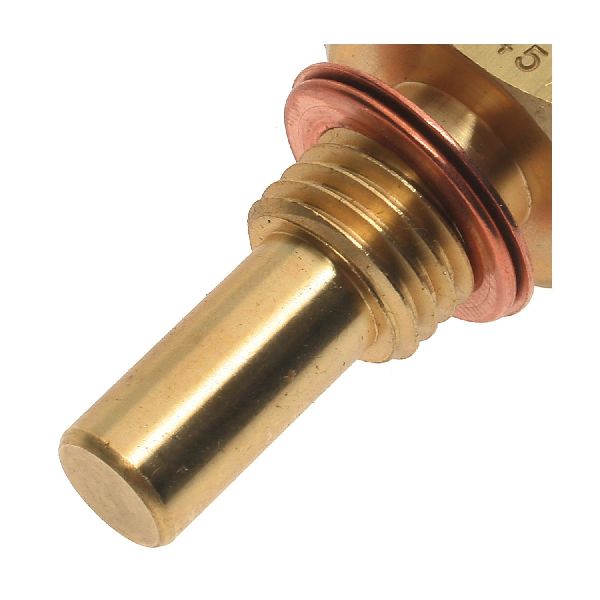
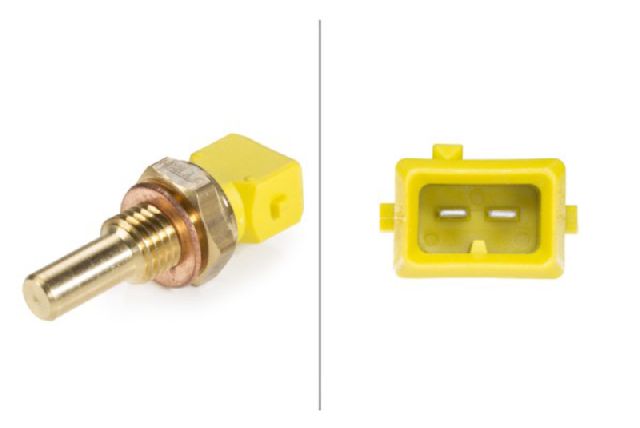
- Tier 2 (Reputable Aftermarket): Beck Arnley, Hella, Standard Ignition (SMP). These brands generally have a good reputation for quality control and are a solid choice if Bosch is unavailable.
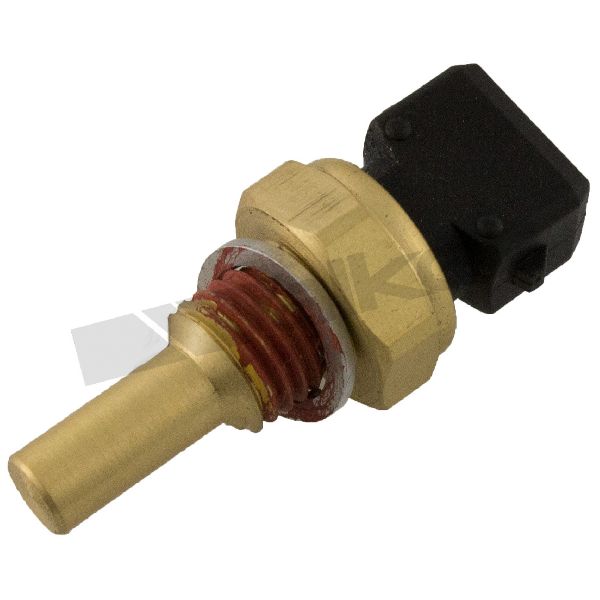
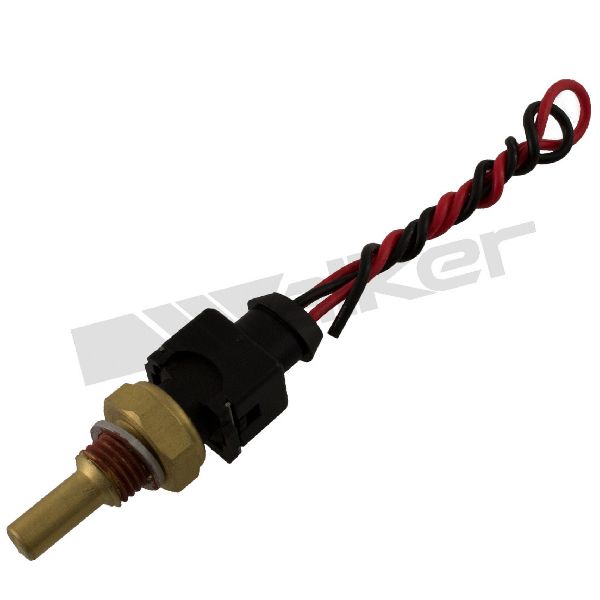
- Tier 3 (Value Brands): Facet, Four Seasons, Walker Products. While more affordable, these can be a gamble. Some owners report premature failure with budget sensors, leading to the same problems all over again. Consider these only if budget is the primary concern and you are prepared for the potential risk.
| Part Type | Price Range |
|---|---|
| New Aftermarket (Value) | $20 - $35 |
| New Aftermarket (OEM-Quality) | $35 - $56 |
Frequently Asked Questions (FAQ)
Where is the ECT sensor located on my Volvo 245?
The fuel injection ECT sensor is located on the driver's side of the engine, screwed into the cylinder head underneath the intake manifold, typically below the #3 intake runner. 🎬 See exactly where this sensor is located on the engine. It is notoriously difficult to access without small hands or removing other components.
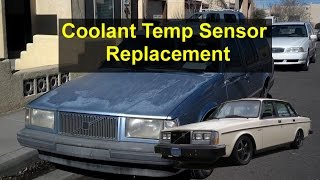
Can I replace the ECT sensor myself? 🎬 Watch this step-by-step guide on replacing the sensor yourself.
Yes, this is a DIY-feasible job for someone with basic mechanical skills. However, access is very tight. Some owners remove the intake manifold for easier access, while others use a combination of swivels and extensions to reach it from underneath. You will lose a small amount of coolant, so have a drip pan ready.
Is this the same part that controls my dashboard temperature gauge?
No. The sensor for the ECU is a two-wire sensor. The sensor for the dashboard gauge is a separate, single-wire sending unit located nearby. If your gauge is acting up but the car runs fine, you need the other sensor.
What happens if I don't replace a bad ECT sensor?
You will continue to experience poor starting, terrible fuel economy, a rough idle, and potential engine performance issues. Over time, running constantly rich can foul spark plugs and damage the catalytic converter.
Helpful Videos
Technical Specifications
OEM Part Numbers: 1346030 1332396 460191
Two-pin electrical connector. Negative Temperature Coefficient (NTC) thermistor. Located under intake manifold, screwed into cylinder head.
We Have This Part in Stock


The information in this article is provided for general reference and educational purposes only. Vehicle specifications, procedures, and part compatibility can vary by production date, trim level, and region. Always consult your vehicle's factory service manual and verify part numbers before purchasing or performing repairs. Safety-critical components such as airbags, seat belts, and braking systems should be installed by a qualified professional.