

A Guide to the 1979-1990 GMC C3500 Automatic Transmission Control Solenoid
Solve shifting problems by understanding which solenoid your truck's transmission needs and how to spot the signs of failure.
- First, identify your transmission (3-speed TH400 or 4-speed TH700-R4) to know if you need a kickdown solenoid or a TCC solenoid.
- A bad TCC solenoid in a TH700-R4 can cause serious issues like stalling, shuddering, and overheating.
- A bad kickdown solenoid in a TH400 is less critical but results in poor acceleration performance.
- Always replace the transmission pan gasket and filter when replacing the solenoid to prevent leaks and ensure proper maintenance.
Identifying Your Transmission Solenoid
Before buying a new automatic transmission control solenoid for your 1979-1990 GMC C3500, you must first know which transmission is in your truck. The C3500 one-ton trucks of this era most commonly used either the 3-speed TH400 or the 4-speed TH700-R4. The solenoid you need depends entirely on which of these transmissions you have.
- TH400 Kickdown Solenoid: This is a simple but important part for performance. When you accelerate fully, it activates a downshift, giving you passing power. Failure is not critical but will make the truck feel less responsive.
- TH700-R4 TCC Lock-Up Solenoid: This part is crucial for efficiency and transmission health on models with overdrive. It engages a clutch inside the torque converter at cruising speeds, creating a direct link between the engine and transmission. This lowers RPMs, saves fuel, and prevents the transmission from overheating. A failure here can cause significant drivability issues.
Symptoms of a Failing Transmission Solenoid
The warning signs you experience will point directly to which solenoid has failed.
TH700-R4 TCC Solenoid Failure Symptoms:
- Engine Stalls at Stops: If the solenoid is stuck on, it keeps the torque converter locked. This is like trying to stop a manual transmission car without pushing in the clutch, causing the engine to stall.
- Shuddering or Vibration: A faulty TCC solenoid can cause a noticeable shudder, like driving over rumble strips, as the lock-up clutch tries to engage or disengage. This often happens at highway speeds between 40-55 mph.
- Poor Fuel Economy: If the solenoid fails to engage the lock-up clutch, your engine RPMs will be higher at cruising speeds, wasting fuel.
- Transmission Overheating: Without lock-up, the transmission fluid slips more inside the converter, generating excessive heat. Heat is a primary cause of automatic transmission failure.
TH400 Kickdown Solenoid Failure Symptoms:
- No Downshift on Hard Acceleration: The most common symptom is the transmission failing to "kick down" into a lower gear when you floor the accelerator pedal. The truck will accelerate slowly in its current gear instead of providing a burst of power.
- Solenoid Doesn't "Click": With the engine off but the key on, you can sometimes hear the solenoid click when the accelerator is pushed to the floor. If there is no sound, the solenoid or its circuit may have failed.
Choosing the Right Aftermarket Solenoid
For a vehicle of this age, aftermarket parts are the most common and affordable solution. OEM parts are often discontinued. Here is a breakdown of the available brands.
A Note on Pioneer Cable
Pioneer is well-known for transmission cables and mechanical linkages. When shopping, ensure the part you are buying is the correct electronic solenoid and not a kickdown *cable* used on other transmissions like the TH350. Double-check the part description and image.
- Premium Aftermarket (Standard Ignition): Standard Motor Products (SMP) is a long-trusted brand among professional mechanics. They manufacture parts to meet or exceed OE specifications and have strong quality control processes. For a critical part like a TCC solenoid, choosing a brand with a reputation for reliability is a smart investment.
- Standard Aftermarket (ATP): ATP offers a more budget-friendly option and produces a wide range of transmission components. While generally functional, some user reviews mention occasional issues with fitment or product consistency. It's a viable choice if cost is the primary concern, but inspect the part carefully before installation.
| Part Type | Estimated Cost |
|---|---|
| New Aftermarket Solenoid | $49.37 - $120.19 |
| Shop Labor | $180 - $350 |
| Transmission Pan Gasket & Filter Kit | $15 - $40 |
Frequently Asked Questions (FAQ)
Is replacing a transmission solenoid a DIY job?
Yes, for someone with mechanical experience. The solenoid is located inside the transmission oil pan. The job requires draining the transmission fluid, removing the pan, unplugging and unbolting the old solenoid, and then installing the new one. It can be messy, but it does not require special tools beyond a good socket set. Always use a new pan gasket and change the transmission filter at the same time.
Do I need to buy a new gasket and filter?
Yes. It is essential to replace the transmission pan gasket anytime the pan is removed to prevent leaks. Since you will have the pan off anyway, it is the perfect time to also replace the transmission filter, which is a critical maintenance item. Many solenoids are sold without these parts, so be sure to purchase them separately.
What is the difference between a TCC solenoid and a kickdown solenoid?
A TCC (Torque Converter Clutch) solenoid is for fuel efficiency. It locks the converter at cruising speed to lower engine RPMs. A kickdown solenoid is for performance. It forces a downshift when you floor the gas pedal for maximum acceleration. Your truck will have one or the other, depending on the transmission model.
Were there any recalls for this part?
There are no specific safety recalls found on the NHTSA database for transmission control solenoids on the 1979-1990 GMC C3500. Recalls for transmissions on these trucks are rare and would be for issues discovered decades ago.
Technical Specifications
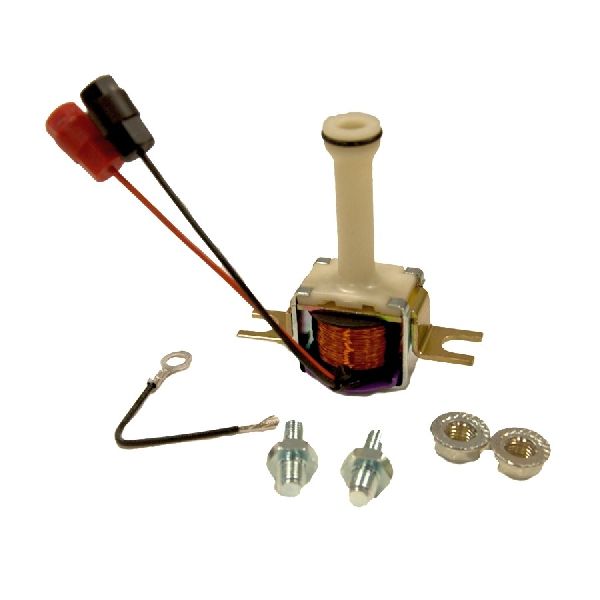
Primary types for this vehicle are the Torque Converter Clutch (TCC) Lock-Up Solenoid for the TH700-R4 transmission and the Detent (Kickdown) Solenoid for the TH400 transmission.
We Have This Part in Stock


The information in this article is provided for general reference and educational purposes only. Vehicle specifications, procedures, and part compatibility can vary by production date, trim level, and region. Always consult your vehicle's factory service manual and verify part numbers before purchasing or performing repairs. Safety-critical components such as airbags, seat belts, and braking systems should be installed by a qualified professional.