

Choosing a New Starter Motor for Your 1979-1990 GMC G3500
Don't get stranded by a bad starter—learn how to spot the symptoms and pick the right replacement.
- A loud click with no crank is the most common sign of a failed starter motor.
- Heat soak is a frequent issue; consider a high-torque starter from a brand like Powermaster or Proform to solve it.
- Always disconnect the battery before beginning work to ensure safety.
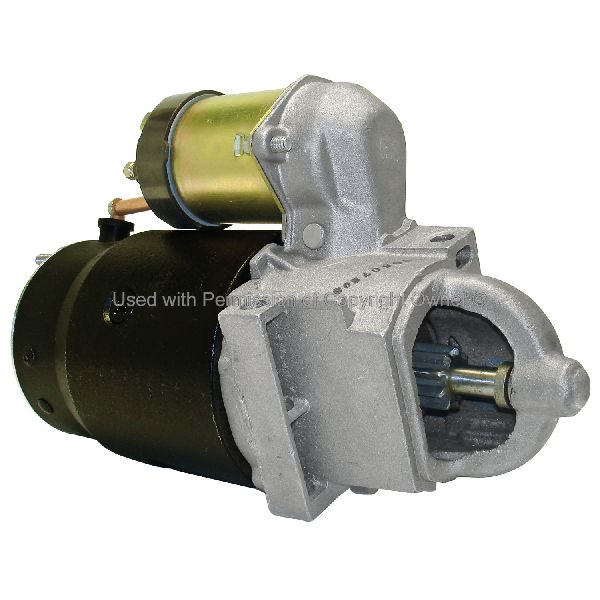
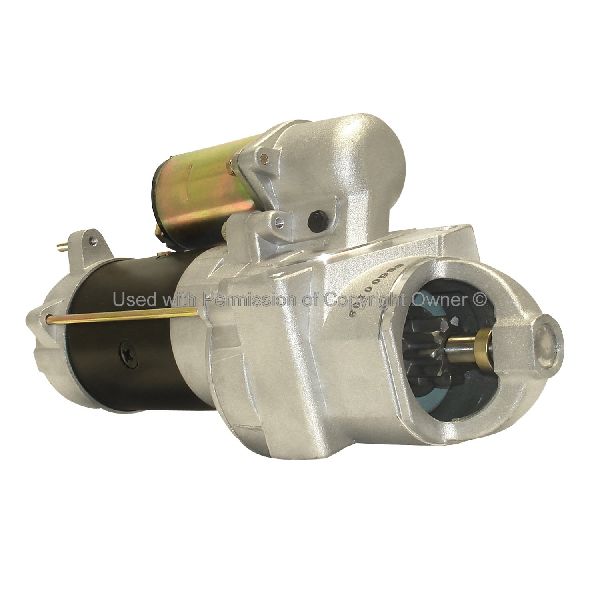
- Before ordering, confirm if your engine requires a starter with a straight or staggered bolt pattern.
Is Your G3500 Starter Failing?
A failing starter rarely dies without warning. Usually, it gives you signs that it's on its way out. Recognizing these symptoms can prevent you from being stranded. The most common sign is a distinct 'click' when you turn the key, but the engine doesn't crank. This often means the starter's solenoid is working, but the motor itself is not.
Other symptoms include:
- Slow Cranking: If the engine turns over sluggishly, like the battery is weak, it could be the starter motor wearing out.
- Grinding Noise: A harsh grinding sound during or after cranking can indicate the starter gear isn't meshing properly with the flywheel, which can cause serious damage.
- Intermittent Starting: The van starts fine one day but not the next. This can be caused by worn internal components or loose electrical connections.
- Freewheeling/Whirring: If you hear a high-pitched whining noise but the engine doesn't turn over, the starter gear is likely not engaging the flywheel.
Heat Soak is a Common Problem
The large V8 engines in these vans generate significant heat. This heat can "soak" into the starter and its solenoid after the engine is turned off, increasing electrical resistance. When you try to restart the hot engine, the starter may click or crank very slowly. This is a well-known issue on older GM vehicles. Using a modern gear-reduction starter or installing a heat shield can often solve this problem.
Choosing the Right Aftermarket Starter
For a vehicle from this era, new OEM (Original Equipment Manufacturer) parts are generally unavailable. Aftermarket parts are the go-to solution, and modern technology often makes them superior to the original factory units. You have a few types to choose from:
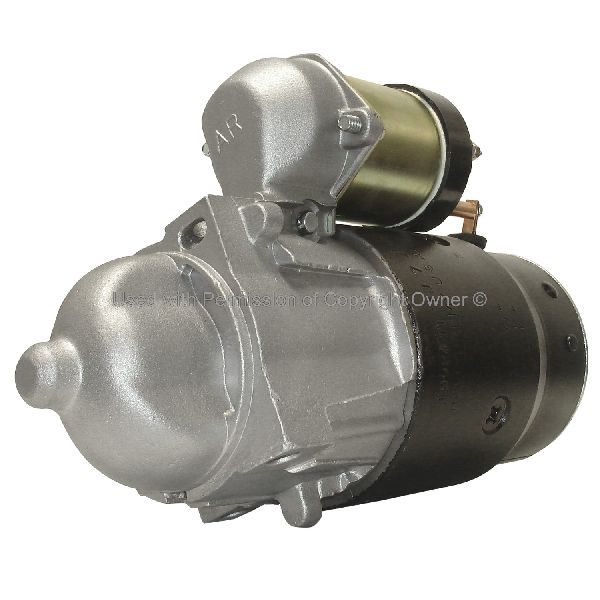
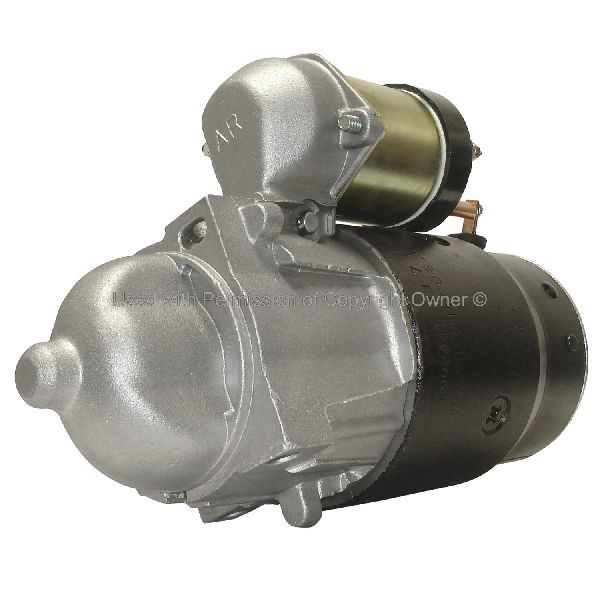
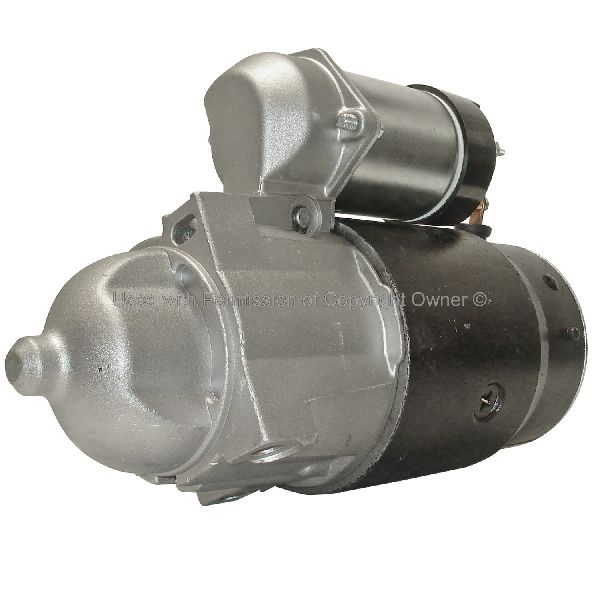
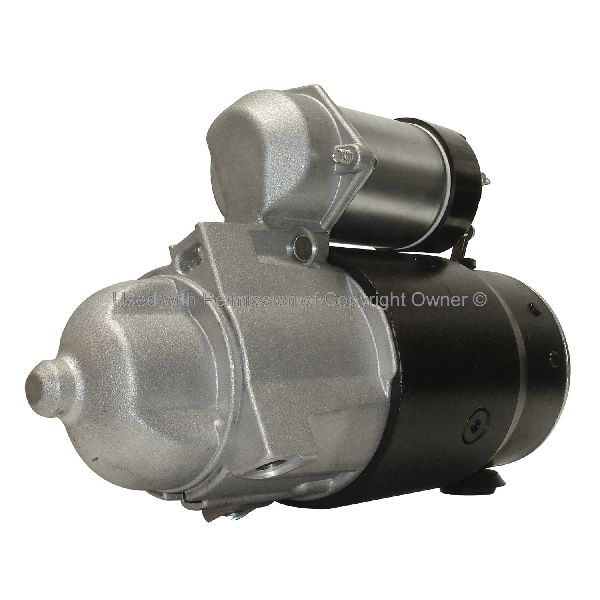
- Standard Replacement: These are designed to meet or exceed original specifications. Brands like MPA (Motorcar Parts of America) offer reliable, direct-fit replacements that are a good choice for daily drivers under normal conditions.
- High-Torque / Gear-Reduction: These starters use a gear system to multiply the motor's torque, allowing them to turn the engine over with less electrical draw. Brands like Powermaster and Proform specialize in these. They are an excellent upgrade for G3500s, especially those with high-compression engines, heavy-duty usage, or persistent heat soak issues. Forum users often report faster, more reliable starts after upgrading to a high-torque starter.
Pro Tip: Before replacing the starter, always check the simple things first. Ensure your battery is fully charged and the terminals are clean and tight. A loose or corroded connection at the battery or the starter itself can mimic the symptoms of a complete starter failure.
Cost of Replacing Your G3500 Starter
The cost can vary depending on the brand you choose and whether you do the work yourself. The replacement is straightforward for a mechanic with the right tools.
| Part / Service | Estimated Cost |
|---|---|
| New Aftermarket Starter | $95 - $321 |
| Remanufactured Starter | $80 - $220 |
| Shop Labor | $150 - $250 |
| Total (Professional Installation) | $245 - $571 |
Frequently Asked Questions (FAQ)
Is it hard to replace the starter on a G3500 myself?
For someone with moderate mechanical skill, it's a very feasible DIY job. The starter is located on the passenger side of the engine block and is typically held on by two bolts. Access can be a little tight due to the exhaust. The most important step is to disconnect the battery's negative terminal before you begin to prevent any electrical shorts.
Do I need to use shims with my new starter?
Sometimes. Shims are thin metal spacers used to adjust the distance between the starter gear and the flywheel. If you hear a grinding noise with the new starter, you may need to add or remove shims. Some aftermarket starters have improved mounting designs that reduce or eliminate the need for shims.
What's the difference between a staggered and straight bolt pattern?
This refers to how the two mounting bolts are arranged. Some GM engines use a straight-across pattern, while others use a staggered (offset) pattern. Many aftermarket starters, like those from Powermaster, have a dual-pattern mounting block that fits either configuration. It is crucial to verify which pattern your van requires before ordering.
Are there any recalls for the 1979-1990 G3500 starter?
No, searches of the National Highway Traffic Safety Administration (NHTSA) database did not find any recalls or technical service bulletins (TSBs) specifically related to the starter motor for this vehicle range. Any issues, like heat soak, are considered general characteristics of the vehicle's design for its time.
Technical Specifications
OEM Part Numbers: 19136131 19136133 10465014 10465054
Varies by engine (e.g., 5.7L, 7.4L, 6.2L Diesel). Key factors are bolt pattern (straight or staggered), number of teeth on the pinion gear, and torque rating (standard vs. high-torque).
We Have This Part in Stock

The information in this article is provided for general reference and educational purposes only. Vehicle specifications, procedures, and part compatibility can vary by production date, trim level, and region. Always consult your vehicle's factory service manual and verify part numbers before purchasing or performing repairs. Safety-critical components such as airbags, seat belts, and braking systems should be installed by a qualified professional.