

GMC K1500 Automatic Transmission Control Solenoid Guide (1979-1990)
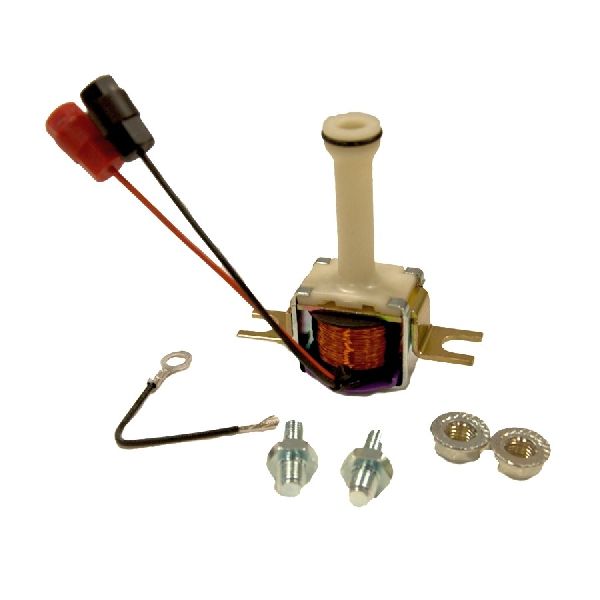
Solving stalling and poor fuel economy issues in your classic GMC K1500 starts with understanding the transmission control solenoid.
- A solenoid stuck 'on' causes stalling at stops; a solenoid stuck 'off' hurts fuel economy.
- This is a DIY-friendly repair; the biggest challenge is dealing with the transmission fluid mess.
- Always replace the transmission filter and pan gasket at the same time as the solenoid.
- Check for the critical transmission vent tube recall (NHTSA 93V016000) on 1990 models to prevent a fire risk.
Is a Bad Transmission Solenoid Causing Your Truck's Problems?
If you own a 1979-1990 GMC K1500, you know these trucks are tough. But even tough trucks have parts that wear out. The Torque Converter Clutch (TCC) solenoid is a common one. This small electronic part can cause big headaches when it fails. It usually fails in one of two ways: it either gets stuck on, or it stops turning on at all.
Vehicle Safety Recall: Transmission Fire Risk
There is a recall for many 1990 GMC K1500 models (NHTSA Campaign ID: 93V016000). Heat can force transmission fluid out of the vent tube and onto hot engine parts, creating a serious fire risk. The fix is a longer vent hose. Check if your truck is affected and has had this free repair done.
Symptoms of a Failing TCC Solenoid
How the solenoid fails determines the symptoms you'll experience:
- Solenoid Stuck ON: This is the most annoying failure. The torque converter stays locked even when you slow down. Your truck may shudder, buck, or chug when you try to accelerate from low speeds. The most obvious sign is the engine stalling or feeling like it's about to stall when you come to a complete stop, just like a manual transmission truck would if you didn't push in the clutch.
- Solenoid Stuck OFF: This failure is harder to notice. The torque converter never locks up. You will not get that slight drop in RPMs at highway speed. The main symptom is poor fuel economy, as the engine has to work harder at cruising speeds. This can also cause the transmission to run hotter over time.
Choosing the Right Aftermarket Solenoid
You don't need to hunt for a rare, expensive OEM part. Aftermarket solenoids are widely available and work well. The key is choosing a brand with a good reputation. Your choices are generally good, better, and best.
- Value Tier (Pioneer Cable, some ATP): These brands offer a low price point. Pioneer is more known for cables than electronics. Some user reviews for ATP parts mention issues with fitment or receiving a different brand in the box. These parts can be a good choice for a budget repair, but quality can be inconsistent.
- Standard Tier (Standard Ignition, ATP): Standard Ignition (also known as SMP) has a long history of making reliable aftermarket electronic parts. ATP also falls in this category, as many of their parts are perfectly fine. For a few dollars more, these brands often provide more peace of mind than the cheapest options.
- Premium Tier: Some rebuilders and performance shops offer solenoids from OEM suppliers like Rostra. These are often considered the most reliable and durable replacements, built to meet or exceed original specs.
When you buy the solenoid, also buy a new transmission pan gasket and filter. You have to remove the pan to do the job, so it's the perfect time to service the transmission with fresh fluid and a new filter.
| Part Type | Cost Range | Notes |
|---|---|---|
| New Aftermarket Solenoid | $49.37 - $120.19 | Price depends on brand and kit contents. |
| Shop Labor | $100 - $200 | Typically 1-2 hours of work. |
| Transmission Filter & Gasket Kit | $15 - $40 | Highly recommended to replace at the same time. |
Frequently Asked Questions (FAQ)
Can I just unplug the solenoid?
If your solenoid is stuck on and causing stalling, you can unplug the transmission's square 4-pin electrical connector on the driver's side. This will prevent the TCC from locking up and stop the stalling, allowing you to drive the truck. However, this is a temporary fix. Your fuel economy will be poor and the transmission may run hotter. You should replace the faulty solenoid.
Is this a hard job to do myself?
No, it's a good job for a DIY mechanic. The main challenge is the mess. You'll need to safely raise the truck, drain the transmission fluid by dropping the pan, and then access the solenoid. It's usually held in by a small clip or bolt. The total time is about 1.5 to 2.5 hours.
What transmission is in my truck?
The 1979-1990 K1500 could have a few different transmissions. Early in the period, the Turbo-Hydramatic 350C (TH350C) with a lock-up converter was common. Starting in the early 80s, the 4-speed overdrive 700R4 (later called the 4L60) became standard. Both use a TCC solenoid, but the specific part may differ. Check your truck's RPO codes in the glove box or identify the transmission by its pan shape to be sure.
What else should I check while I'm in there?
With the pan off, inspect the fluid and the bottom of the pan. A small amount of fine, gray material is normal. However, large metal chunks or a thick, black sludge indicates more serious transmission problems that a new solenoid won't fix. Also, check the wiring going to the solenoid for any breaks or damage.
Technical Specifications
Interchange Part Numbers can include: 44425, 44425U, 35610U, 52-0430. This part is specific to the transmission type (TH350C or TH700R4/4L60). Always verify fitment for your specific year and transmission model before ordering.
We Have This Part in Stock


The information in this article is provided for general reference and educational purposes only. Vehicle specifications, procedures, and part compatibility can vary by production date, trim level, and region. Always consult your vehicle's factory service manual and verify part numbers before purchasing or performing repairs. Safety-critical components such as airbags, seat belts, and braking systems should be installed by a qualified professional.