

GMC K2500 Automatic Transmission Solenoid Guide (1979-1990)
Solving shifting, lock-up, and stalling problems in your classic GMC truck often starts with this small but critical part.
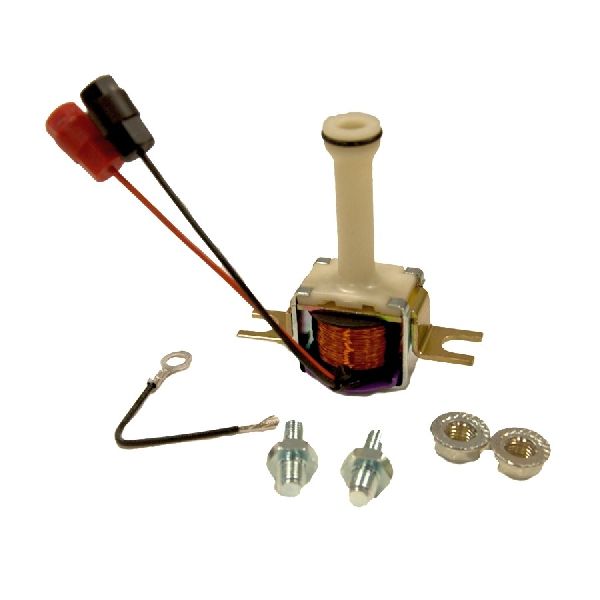
- This part is most likely the Torque Converter Clutch (TCC) solenoid, not a modern multi-solenoid pack.
- Symptoms like stalling at stops or high RPMs on the highway point directly to TCC solenoid failure.
- Replacement is a messy but straightforward DIY job that requires dropping the transmission pan.
- Always identify your specific transmission (TH400 or 700R4/4L60) before ordering the part.
Understanding the 'Control Solenoid' in Your 1979-1990 K2500
When you're working on a classic GMC K2500 from this era, the most common transmission control solenoid you'll deal with is the Torque Converter Clutch (TCC) solenoid. Your truck likely has one of two common automatic transmissions: the 3-speed Turbo-Hydramatic 400 (TH400) or the 4-speed 700R4 (later named 4L60). Both use a TCC solenoid to engage the torque converter lock-up feature. When this solenoid fails, it can cause a range of frustrating symptoms that might seem like a major transmission failure, but can often be fixed with this single, relatively inexpensive part.
Is Your TCC Solenoid Failing? Common Symptoms
A bad TCC solenoid can fail in two ways: stuck open or stuck closed. Each failure mode has distinct symptoms.
- Engine Stalls at Stops: If the solenoid is stuck in the 'on' or locked position, it keeps the torque converter engaged when you slow down. This is like trying to stop a manual transmission car without pushing in the clutch, causing the engine to stall.
- No Overdrive/Lock-Up: If the solenoid is stuck 'off,' it can't lock the converter. You'll notice higher-than-normal RPMs at highway speeds and a significant drop in fuel economy because the transmission is constantly slipping.
- Shuddering or Vibration: A failing solenoid can cause the lock-up clutch to engage and disengage erratically, creating a shudder or vibration that feels like driving over rumble strips.
- Transmission Overheating: When the converter doesn't lock up, the constant slipping generates excessive heat, which is a primary cause of automatic transmission failure.
- Check Engine Light: A faulty TCC solenoid can trigger diagnostic trouble codes like P0740, P0741, or P1860, illuminating the check engine light.
Don't Mistake This for a Bad Transmission
Many of these symptoms, especially stalling and harsh shifting, can make you think your entire transmission is toast. Always check the TCC solenoid first, as it's a common point of failure and a much cheaper fix than a full rebuild.
Choosing the Right Aftermarket Solenoid
For a vehicle of this age, finding a new OEM part is nearly impossible. High-quality aftermarket parts are the go-to solution and offer excellent reliability. Before buying, you must identify your transmission (TH400 or 700R4/4L60) as they may use different solenoids. Your choice of brand often comes down to a balance of quality and price.
- Standard Ignition (SMP): Often considered a premium aftermarket brand, Standard produces parts that meet or exceed OEM specifications. They are known for quality engineering and rigorous testing, making them a top choice for reliability.
- ATP (Automatic Transmission Parts): ATP specializes in transmission components and has a long-standing reputation in the industry. They are a solid choice, offering good quality parts that are often more budget-friendly.
- Pioneer: Pioneer also offers a range of transmission components and is generally viewed as a reliable economy option. They provide a direct-fit replacement that can restore proper function at a competitive price.
Pro Tip: Replace the Harness and Gasket
Since you have to drop the transmission pan to access the solenoid, it's the perfect time to also replace the transmission filter, pan gasket, and the solenoid's wiring harness connector if it looks brittle or oil-soaked. This prevents having to do the same messy job twice.
| Part/Service | Estimated Cost |
|---|---|
| New Aftermarket Solenoid | $49.37 - $120.19 |
| Shop Labor | $150 - $300 |
| DIY Replacement (Part + Fluid/Filter) | $80 - $180 |
Frequently Asked Questions (FAQ)
Can I replace a transmission solenoid myself?
Yes, this is a very DIY-friendly job if you're comfortable working under your truck. The main steps involve draining the transmission fluid, dropping the oil pan, unplugging and unbolting the old solenoid, and then installing the new one. The biggest challenge is managing the mess from the transmission fluid.
What's the difference between a TCC solenoid and a kickdown solenoid?
The TCC solenoid controls torque converter lock-up for fuel efficiency at cruising speeds. A kickdown solenoid, found on older transmissions like the TH400, forces a downshift for more power when you floor the accelerator. They perform very different functions.
Will a new solenoid fix my transmission shudder?
It often can. A shudder that occurs at highway speeds (around 40-55 mph) and goes away when you tap the brakes is a classic sign of a TCC solenoid issue. If the solenoid is failing, it can cause the lockup clutch to apply unevenly, creating the vibration. Replacing it is a common fix for this specific problem.
Do I need a special tool to replace the solenoid?
No special tools are required, just a good socket set, a drain pan, and possibly a scraper for the old pan gasket. The solenoid itself is typically held in by a small bolt or clip.
Technical Specifications
Typically a 2-terminal Torque Converter Clutch (TCC) solenoid or a single-terminal kickdown solenoid. Resistance reading should generally be between 10-30 ohms.
We Have This Part in Stock


The information in this article is provided for general reference and educational purposes only. Vehicle specifications, procedures, and part compatibility can vary by production date, trim level, and region. Always consult your vehicle's factory service manual and verify part numbers before purchasing or performing repairs. Safety-critical components such as airbags, seat belts, and braking systems should be installed by a qualified professional.