

GMC K3500 Automatic Transmission Control Solenoid Guide (1979-1990)
Having transmission issues with your classic GMC K3500? It might be a bad control solenoid.
- Verify your truck's generation (Square Body vs. GMT400) and exact transmission model (e.g., TH400, 700R4) before ordering, as the solenoids are not interchangeable.
- Symptoms like stalling at stops, poor MPG, and highway shuddering strongly point to a failing Torque Converter Clutch (TCC) solenoid.
- Replacing the solenoid is a manageable DIY task that involves dropping the transmission pan; it's a good time to also service the fluid and filter.
- Aftermarket brands like ATP and Pioneer are reliable choices for a stock replacement part on these older trucks.
Is It a Square Body or GMT400?
The 1979-1990 year range for the GMC K3500 covers two different truck generations: the 'Square Body' (up to 1987/1991 for some models) and the 'GMT400' (starting in 1988). These trucks used different transmissions, like the TH400 and the 700R4/4L60. The control solenoids are not the same. Before buying, you MUST confirm your truck's specific year and the transmission model installed to get the correct part.
Common Symptoms of a Failing TCC Solenoid
A bad TCC solenoid can cause problems that you'll definitely feel while driving. Because the solenoid controls when the torque converter locks and unlocks, its failure can lead to poor performance and potential damage if ignored. Pay attention to how your truck behaves, especially at highway speeds.
- Poor Fuel Economy: If the torque converter never locks up, your engine will run at a higher RPM on the highway, burning more fuel.
- Engine Stalling at Stops: If the solenoid gets stuck and keeps the converter locked, the engine can't idle freely when you come to a stop, causing it to stall as if you were driving a manual transmission and didn't push in the clutch.
- Shuddering or Surging: You might feel a vibration or shudder, like driving over rumble strips, as the transmission struggles to engage or disengage the lockup clutch.
- Transmission Overheating: A converter that is constantly slipping generates a lot of extra heat, which is the number one enemy of an automatic transmission.
- Check Engine Light: A malfunctioning TCC solenoid can trigger a diagnostic trouble code (DTC) and turn on your check engine light. Common codes include P0740.
Choosing the Right Aftermarket Solenoid
For a vehicle of this age, aftermarket parts are often the only option. OEM parts are likely discontinued. Fortunately, brands like ATP and Pioneer have been making transmission components for a long time.
Pro Tip: When replacing the solenoid, it's the perfect time to also change the transmission fluid and filter. A new filter and fresh fluid are cheap insurance for your transmission's health.
Brand Tiers
- ATP: ATP is a well-known brand in the transmission parts world. Reviews suggest they offer good quality parts that are considered a reliable stock replacement. Some users praise their gaskets and overall kit quality.
- Pioneer Cable: Pioneer also has a long history of making various automotive parts. They are generally seen as a reliable source for stock replacement components, and users report having no issues with their products for standard applications.
For the GMC K3500, both ATP and Pioneer offer solenoids that are suitable for getting the transmission back to its original operating condition. Since these are not high-performance parts, the choice between them often comes down to availability and price.
Cost to Replace a TCC Solenoid
| Part/Service | Estimated Cost |
|---|---|
| New Aftermarket Solenoid | $58.72 - $120.19 |
| Shop Labor | $200 - $650 |
| Total Estimated Cost (DIY) | $58.72 - $120.19 |
| Total Estimated Cost (Shop) | $258 - $770 |
Cost estimates are based on industry averages and the price range provided. Actual costs may vary based on your location and specific vehicle. Labor costs are influenced by the need to drop the transmission pan.
Frequently Asked Questions (FAQ)
What does the TCC solenoid do in my K3500?
The Torque Converter Clutch (TCC) solenoid controls a clutch inside your torque converter. At cruising speed, it locks the converter to create a 1-to-1 connection with the engine. This stops hydraulic slippage, which saves fuel and reduces heat.
Can I drive with a bad TCC solenoid?
You can, but it's not recommended for long. If it's failed open, you'll get bad gas mileage and risk overheating the transmission. If it's failed 'stuck on,' the truck will stall every time you stop, which is dangerous.
Is replacing a TCC solenoid a DIY job?
Yes, for someone with mechanical experience. The solenoid is located inside the transmission oil pan. The job involves draining the fluid, dropping the pan, unplugging the old solenoid, and bolting in the new one. It can be messy but doesn't require specialized tools beyond a good socket set.
How do I know which transmission my K3500 has?
The most common transmissions in this era were the 3-speed Turbo 400 (TH400) and the 4-speed 700R4 (later named 4L60). Check the shape of your transmission oil pan and compare it to online guides, or look for an identification tag on the transmission body itself. The RPO code sticker in your glove box may also list the transmission type.
Were there any recalls for this issue?
No specific recalls for the TCC solenoid on 1979-1990 GMC K3500 trucks were found in a search of the NHTSA database. Recalls for transmission issues are more common on much newer vehicles.
Technical Specifications
OEM Part Numbers: 10478100
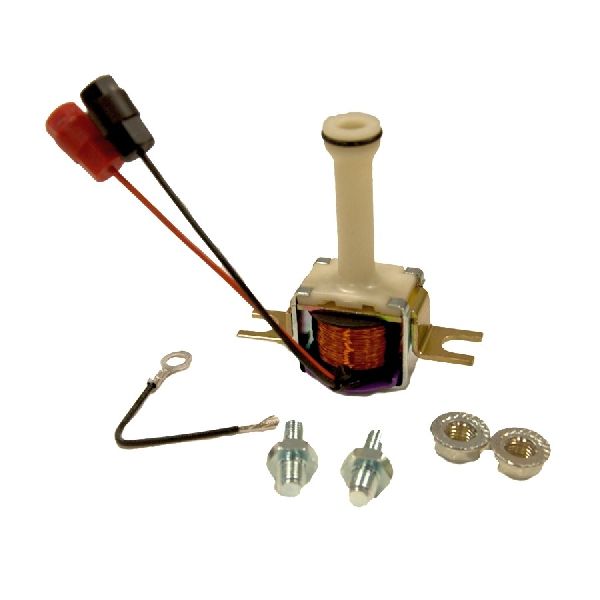
The primary part for this application is the Torque Converter Clutch (TCC) Lock-Up Solenoid. Depending on the transmission (TH400, 700R4/4L60), it will be a 1-wire or 2-wire solenoid located on the valve body inside the transmission oil pan. Some 700R4 models use a splice-in universal solenoid.
We Have This Part in Stock


The information in this article is provided for general reference and educational purposes only. Vehicle specifications, procedures, and part compatibility can vary by production date, trim level, and region. Always consult your vehicle's factory service manual and verify part numbers before purchasing or performing repairs. Safety-critical components such as airbags, seat belts, and braking systems should be installed by a qualified professional.