

GMC P3500 Engine Coolant Bypass Hose Replacement Guide (1979-1990)
Keep your workhorse P3500 from overheating with the right engine coolant bypass hose.
- A failing bypass hose can cause catastrophic engine overheating; do not drive with a suspected leak.
- For a 1979-1990 P3500, a high-quality aftermarket hose from a brand like Gates is the best and most practical option.
- Symptoms include visible leaks, a sweet coolant smell, and an overheating engine.
- Always replace hose clamps at the same time as the hose to ensure a proper seal.
Is your GMC P3500's Engine Overheating? Check This Hose.
The Engine Coolant Bypass Hose is a common failure point on older, hard-working vehicles like the GMC P3500. Made of rubber, it breaks down over decades of heat cycles and exposure to engine bay conditions. When this hose fails, it can lead to rapid coolant loss and severe engine overheating, potentially causing catastrophic damage like a cracked block or warped cylinder head. Because the P3500 is often used for heavy hauling or as an RV, its engine is already under significant stress, making a fully functional cooling system critical.
Symptoms of a Failing Bypass Hose
Catching a failing hose early can save you from a breakdown and a massive repair bill. Look for these signs:
- Visible Coolant Leaks: You may see puddles of green or orange fluid under your truck. The bypass hose is often located near the thermostat housing or water pump, so check that area for wetness or drips.
- Sweet Smell: Leaking coolant has a distinct, sweet, syrupy smell. You might notice it after you park the truck.
- Spongy or Hardened Hose: When the engine is cool, squeeze the hose. A healthy hose is firm but pliable. If it feels mushy, spongy, or rock-hard and brittle, it's time for a replacement.
- Engine Overheating: If the hose leaks enough coolant, your temperature gauge will climb quickly. This is a critical warning to shut down the engine immediately.
- Low Coolant Level: If you constantly have to top off your coolant, you have a leak somewhere in the system, and this hose is a likely suspect.
Critical Warning
Do not operate your vehicle if you suspect a coolant leak. Driving with low coolant can destroy your engine in a matter of minutes.
Choosing the Right Aftermarket Hose: OEM vs. Aftermarket
For a vehicle from the 1979-1990 model years, finding a new OEM (Original Equipment Manufacturer) bypass hose from GM is highly unlikely. Even if available, it would be expensive. Fortunately, aftermarket brands offer high-quality replacements that meet or exceed original specifications. Given the age of the P3500, a quality aftermarket part is the most practical and reliable choice.
Aftermarket Brand Tiers
When choosing a brand, fitment and material quality are key. All three of the following brands are reputable, but there are slight differences based on owner experiences.
Good: Dayco
Dayco is a well-known brand that produces reliable hoses. Some mechanics and DIYers note that Dayco hoses can sometimes be slightly thicker than competitors, which can be a good thing. They are a solid, budget-friendly choice that will get the job done.
Better: Continental
Continental is a major OEM supplier and produces high-quality rubber products. Their hoses are known for durability and proper fit, making them a trusted choice for any repair.
Best: Gates
Gates is widely regarded as a top-tier aftermarket brand and is an OEM supplier for many manufacturers, including GM on other models. Mechanics often prefer Gates for their excellent fitment, which can be a problem with other aftermarket hoses, and their reputation for longevity. For a critical part on a heavy-duty vehicle like the P3500, spending a little extra for a Gates hose is a wise investment.
Pro Tip: Replace Your Clamps!
Always use new hose clamps when replacing a coolant hose. Old clamps can lose their tension, leading to leaks even with a new hose. Worm-gear clamps are common, but spring-style clamps often provide more consistent tension as the hose material expands and contracts with heat.
Estimated Costs for Replacement
| Part Type | Estimated Cost |
|---|---|
| New Aftermarket Hose | $22.98 - $96.86 |
| Shop Labor | $110 - $220 |
| Total Estimated Cost | $133 - $317 |
Cost estimates are for the part and labor only and do not include the cost of new coolant. Prices can vary based on location and shop rates.
Frequently Asked Questions
Can I drive my P3500 with a leaking bypass hose?
No. A coolant leak can quickly lead to engine overheating, which can cause severe and permanent engine damage. It is not safe to drive the vehicle until the leak is repaired.
How often should I replace my coolant hoses?
There is no strict replacement interval, but rubber hoses degrade over time. It's a good practice to inspect them at every oil change and consider replacing all major coolant hoses, including the bypass hose, every 5-8 years or as a preventative measure on a high-mileage or older vehicle.
Is this a difficult DIY job?
For someone with mechanical experience, it's relatively easy. The main challenges are accessing the hose (which can be tight depending on the engine) and dealing with draining and refilling the coolant, which can be messy. If you're not comfortable, a professional mechanic can do the job in about an hour or two.
Do I need a molded hose or can I use a straight hose?
Always use a molded hose designed specifically for your P3500's engine (e.g., 454 V8, 350 V8, 6.2L Diesel). These hoses have specific bends to avoid kinking and rubbing against other engine components. Using a straight hose can lead to flow restrictions or premature failure.
Technical Specifications
OEM Part Numbers: 25535086 25602592 25612359
Material: EPDM Rubber. Varies by engine type (e.g., 4.8L, 5.7L, 7.4L). Always verify fitment for your specific engine before purchase.
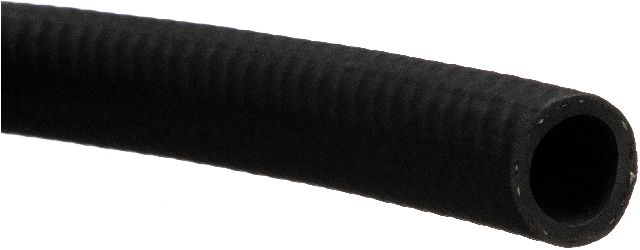
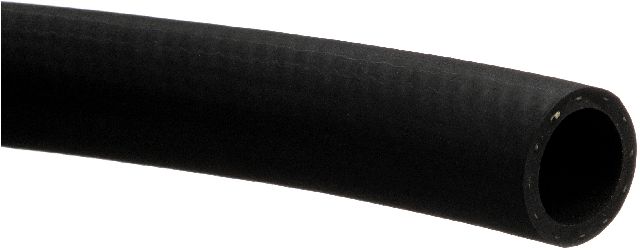
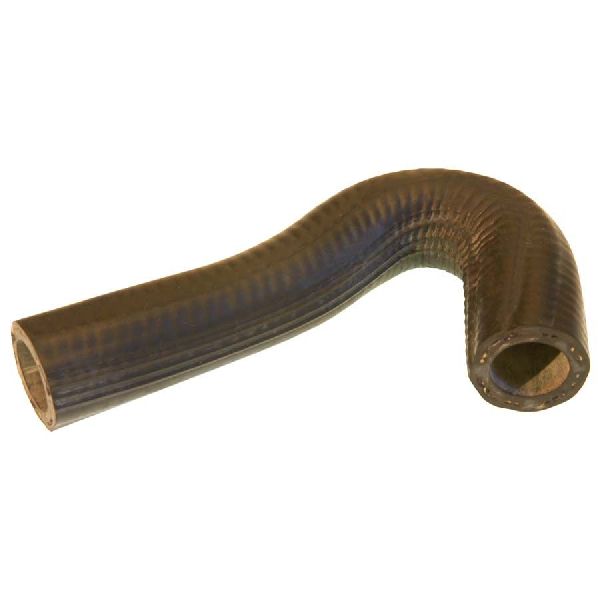
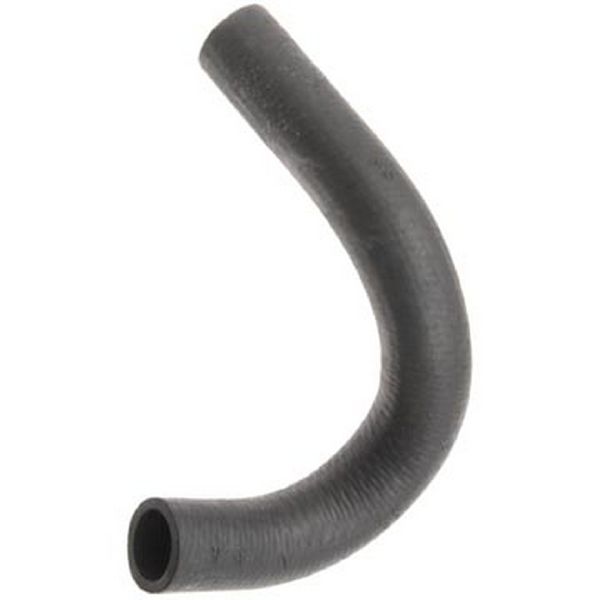
We Have This Part in Stock

The information in this article is provided for general reference and educational purposes only. Vehicle specifications, procedures, and part compatibility can vary by production date, trim level, and region. Always consult your vehicle's factory service manual and verify part numbers before purchasing or performing repairs. Safety-critical components such as airbags, seat belts, and braking systems should be installed by a qualified professional.
- 🛍️ Shop This Part
- Is your GMC P3500's Engine Overheating? Check This Hose.
- Symptoms of a Failing Bypass Hose
- Critical Warning
- Choosing the Right Aftermarket Hose: OEM vs. Aftermarket
- Aftermarket Brand Tiers
- Pro Tip: Replace Your Clamps!
- Estimated Costs for Replacement
- Frequently Asked Questions
- 🎟️ Get 5% Off