

GMC P3500 Engine Intake Manifold Gasket Guide (1979-1990)
Choosing the right intake manifold gasket set is critical to prevent leaks and keep your 1979-1990 GMC P3500's engine running strong.
- A failing intake manifold gasket can cause coolant leaks, vacuum leaks, and oil contamination; milky oil is a sign to stop driving immediately.
- For a durable repair, especially with an aluminum intake, choose a premium steel-core gasket from a brand like Cometic. Fel-Pro and Victor Reinz are reliable standard choices.
- Proper installation is more important than the part itself. Ensure surfaces are perfectly clean and use RTV sealant on the front and rear block seals instead of cork gaskets.
- There are no specific recalls for this part, as failure is due to age and wear. It's a common repair for these older GM V8 engines.
Is Your Intake Manifold Gasket Failing?
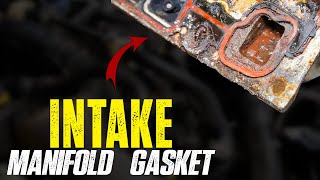
A bad intake manifold gasket on a 1979-1990 GMC P3500 can cause serious problems. Because the gasket seals coolant, oil, and the air/fuel mixture, a failure can lead to leaks that are external (drips on the ground) or internal (fluids mixing). The most common cause of failure is simply age. After decades of heat cycles, the original gasket materials become brittle and compress, losing their ability to seal properly.
Critical Warning: Coolant in Your Oil
If you find milky, light-brown sludge on your oil dipstick or under the oil filler cap, it's a sign that coolant is mixing with your engine oil. Do not continue to drive the vehicle. Coolant contaminates the oil and destroys its ability to lubricate, which will quickly lead to catastrophic engine bearing failure.
Choosing the Right Aftermarket Gasket Set
For a vehicle of this era, aftermarket gaskets are the most common choice and often feature improved materials over the original parts. The quality of the gasket you choose will directly impact the reliability of your repair. Here’s a breakdown of the available brands based on quality and typical use case.
Brand Quality Tiers
- Premium (Best for Durability): Cometic Gasket is a top-tier choice for performance and heavy-duty applications. They are known for Multi-Layer Steel (MLS) or steel-core gaskets that resist blowouts and are excellent for engines with aluminum intake manifolds, which expand and contract at a different rate than cast iron heads. This is the best option to prevent future leaks, especially in a workhorse vehicle.
- Standard (Reliable OEM-Quality): Victor Reinz and Fel-Pro are the workhorses of the gasket world. Both are trusted brands used by professional mechanics. Fel-Pro, in particular, is widely praised for its application-specific designs and for including all the necessary components in their kits. For a stock repair, a quality set from either of these brands is a dependable choice.
- Performance Specific: Edelbrock offers gaskets that are typically designed to be used with their own aftermarket performance intake manifolds. If you have an Edelbrock intake, using their matched gasket is often recommended, but be sure to follow installation instructions carefully as some users report fitment issues.
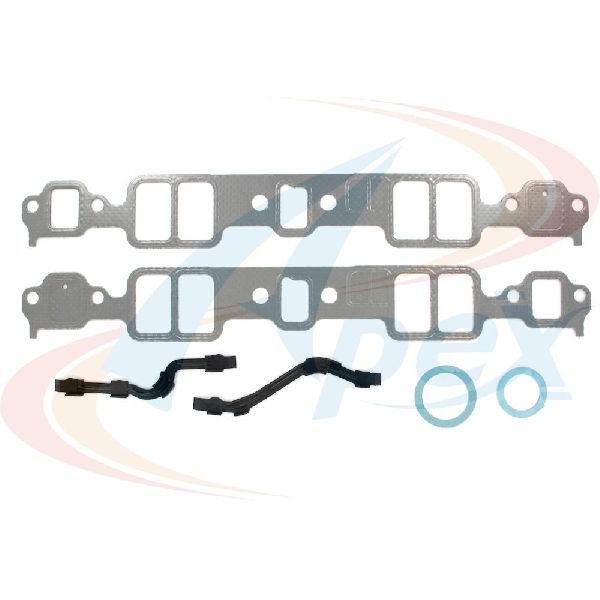
- Economy: Apex is generally considered a budget-friendly option. While functional for a basic repair, they may not offer the same long-term durability or advanced materials as the premium or standard brands.
Pro Tip: Installation Best Practices
The success of this repair depends heavily on the installation. Mechanics on forums consistently give this advice: Clean both the cylinder head and intake manifold surfaces meticulously. Throw away the cork or rubber end seals (for the 'China walls') that come in the kit and instead use a thick bead of high-quality RTV silicone sealant. Also, use a thread sealant on the intake bolt threads for any bolts that go through to the lifter valley to prevent oil from wicking up.
Known Issues & Service Bulletins
There are no specific recalls or widespread technical service bulletins (TSBs) from GMC for intake manifold gasket failure on the 1979-1990 P3500, as this is considered a normal wear-and-tear item on an older vehicle. However, a general GM service bulletin advises that if you are replacing an engine due to a major internal failure (like a broken piston), you MUST also replace the intake manifold. Debris from the old engine can get trapped in the manifold and will be ingested by the new engine, causing immediate and severe damage.
Frequently Asked Questions (FAQ)
What are the most common signs of a bad intake gasket on my P3500?
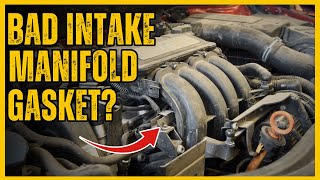
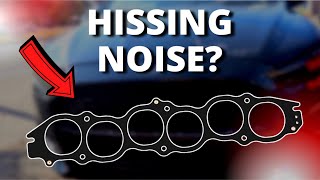
The most common signs are coolant leaks (you may smell a sweet scent or see puddles), engine overheating, a rough or unstable idle, and white smoke from the exhaust if coolant is burning in the cylinders. You might also hear a hissing or sucking sound from a vacuum leak.
🎬 Watch: 5 signs of a blown gasket and how to fix it.Can I do this repair myself?
Yes, this is a DIY-feasible job for someone with moderate mechanical experience. It does not require many special tools, but it is time-consuming. You will need a good set of sockets, a torque wrench, scrapers for the old gasket material, and patience. The most critical steps are surface preparation and correctly torquing the manifold bolts in sequence.
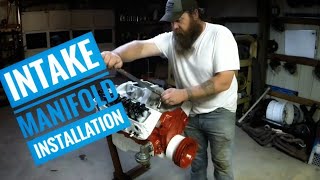
🎬 See this step-by-step guide for installing a Chevy 350 intake manifold.Should I use sealant on the new gaskets?
This is a debated topic, but general wisdom for these older V8 engines is to apply a thin layer of RTV sealant around the coolant ports on the gasket for extra security. However, do not use sealant around the intake ports. Always use a bead of RTV for the front and rear seals on the block ('China walls') instead of the cork gaskets.
🎬 Watch: How to properly seal the intake manifold using RTV.My P3500 has an aftermarket aluminum intake. Does that change anything?
Yes. Aluminum expands and contracts more than cast iron, which can stress the gasket. Many owners who have aluminum intakes have reported that standard composite gaskets fail quickly. For this setup, using a premium steel-core gasket from a brand like Cometic is highly recommended to prevent premature failure. Also, double-check that your manifold bolts aren't too long and bottoming out in the head.
Helpful Videos



Technical Specifications
OEM Part Numbers: 10159514
Gasket design varies based on the specific engine in your P3500 (e.g., 5.7L V8, 7.4L V8). The most critical factor is ensuring the gasket ports match your cylinder heads and intake manifold, especially when using aftermarket components. Gasket materials range from composite and paper with silicone beads to advanced multi-layer steel (MLS).
We Have This Part in Stock


The information in this article is provided for general reference and educational purposes only. Vehicle specifications, procedures, and part compatibility can vary by production date, trim level, and region. Always consult your vehicle's factory service manual and verify part numbers before purchasing or performing repairs. Safety-critical components such as airbags, seat belts, and braking systems should be installed by a qualified professional.