

Guide to the 1979-1991 GMC C3500 Automatic Transmission Mount
Keep your classic GMC workhorse running smoothly by addressing a worn transmission mount.
- A clunking noise when shifting and excessive vibration are the most common signs of a failed mount on a C3500.
- Replacement is a simple, DIY-friendly job that can be done in about an hour with basic tools.
- For most users, a quality standard rubber mount is sufficient; for heavy-duty use, consider a more durable polyurethane mount from a brand like Lakewood.
- There are no known recalls or TSBs for this specific part on 1979-1991 models; failure is due to normal wear and tear.
Symptoms of a Failing Transmission Mount
On a heavy-duty truck like the C3500, a bad transmission mount can cause noticeable issues. Because these trucks are often used for work, the mount is under constant stress. When it wears out, the rubber cracks, collapses, or separates from the metal plates.
Common Signs of Failure:
- Clunking Noises: A distinct "clunk" or "bang" when you shift from Park into Drive or Reverse is a classic symptom. This is the sound of the transmission lifting and hitting the floor pan or crossmember because the mount is no longer holding it down.
- Excessive Vibration: You may feel a new or worsening vibration through the floor or seat, especially when idling in gear or during acceleration. This happens because the worn-out rubber can no longer absorb drivetrain vibrations.
- Drivetrain Movement: In severe cases, you can physically see the transmission lift up if an assistant carefully power-brakes the truck (holding the brake while lightly applying throttle in Drive). This is a definitive sign of a failed mount.
Choosing the Right Aftermarket Mount
For a 1979-1991 GMC C3500, you don't need to hunt down an expensive OEM part. Aftermarket mounts are widely available, affordable, and generally sufficient for these trucks. The key is choosing between standard rubber and performance polyurethane options.
Brand Quality Tiers
When shopping for a new mount, you'll encounter several brands. Here’s a general breakdown based on user feedback and reputation:
- Good (Standard Replacement): Brands like Anchor and DEA are common, budget-friendly choices. They are considered standard, economy-grade replacements. While some users report success with them, others have experienced issues with fitment or premature failure. For a daily driver or light-duty work truck, they can be a cost-effective solution.
- Better (OEM-Quality Aftermarket): Pioneer Automotive is often regarded as a higher-quality aftermarket brand, with parts that are said to be very close to original factory mounts in terms of fit and material quality. They focus on meeting or exceeding OE specifications and can be a good middle-ground choice.
- Best (Performance/Heavy-Duty): Lakewood specializes in performance polyurethane mounts. A polyurethane mount is much stiffer than rubber and will last longer, especially under heavy towing or high-horsepower applications. The trade-off is a potential increase in cabin vibration, as polyurethane doesn't absorb it as well as soft rubber. Lakewood mounts often include a safety interlock feature to prevent separation under extreme stress.
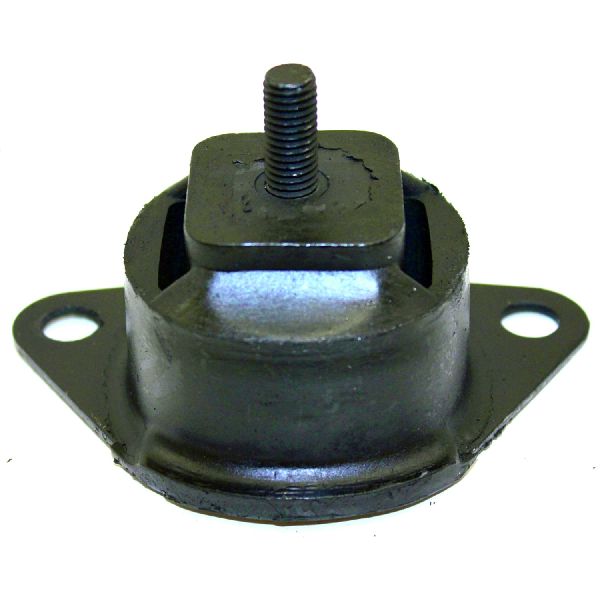
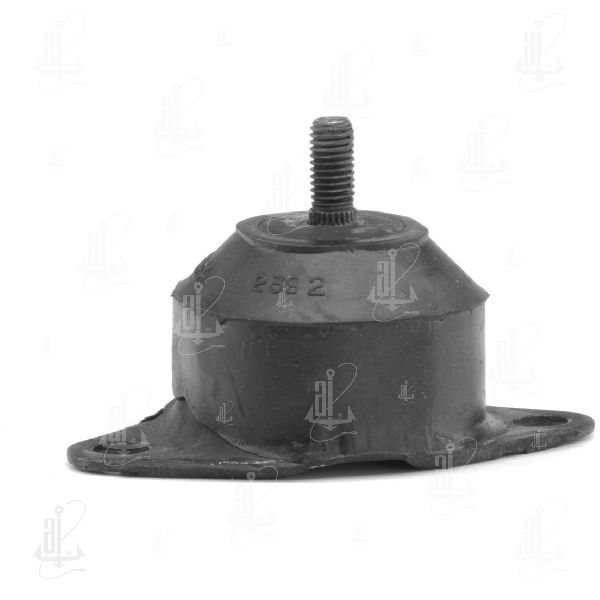
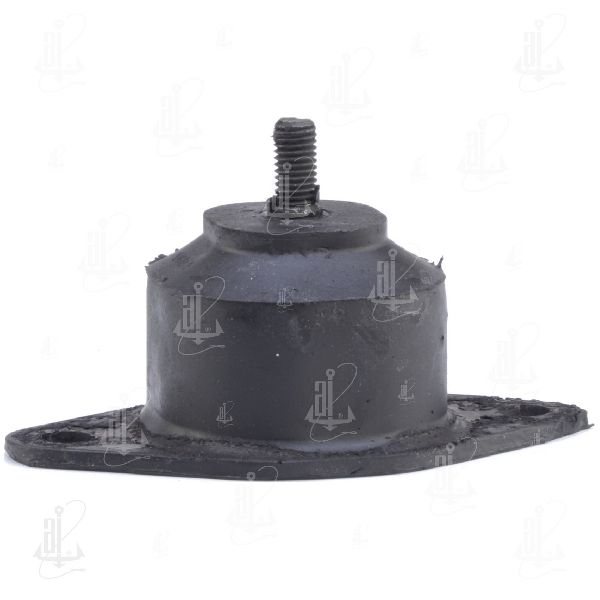
Pro Tip: Before ordering, get under your truck and look at the existing mount. The simple, single-stud design used on most 2WD models is very common and easy to replace. 4x4 models may have a different setup. Confirming your layout prevents ordering the wrong part.
Cost of Replacing a Transmission Mount
This is one of the more affordable repairs for your C3500. The parts are inexpensive, and the labor is straightforward.
| Item | Estimated Cost |
|---|---|
| New Aftermarket Mount | $7.93 - $15.07 |
| Shop Labor | $90 - $135 |
| Total Estimated Cost | $98 - $150 |
Note: Labor costs are estimates and can vary by location and shop.
Frequently Asked Questions (FAQ)
Can I replace the transmission mount myself?
Yes, this is a very DIY-friendly job for a 1979-1991 C3500. The process involves supporting the transmission with a floor jack and a block of wood, unbolting the old mount from the crossmember and transmission, and bolting the new one in place. It typically requires basic hand tools and can be done in about an hour.
What happens if I don't replace a bad transmission mount?
Ignoring a failed mount can lead to bigger problems. The constant movement can damage U-joints, the driveshaft, and even put stress on the engine mounts. In extreme cases, it can cause the transmission housing itself to crack or lead to difficulty with shifting.
Should I choose a rubber or polyurethane mount?
For most stock trucks used for daily driving or light work, a quality rubber mount (like Pioneer) is perfectly fine and will maintain a smoother, quieter ride. If you use your C3500 for heavy towing, hauling, or have a modified high-horsepower engine, a polyurethane mount from a brand like Lakewood is a better choice for its durability, despite potentially increasing vibration.
Are there any recalls or TSBs for this part?
No specific recalls or Technical Service Bulletins (TSBs) were found for the transmission mount on the 1979-1991 GMC C3500. Issues with this part are typically due to age and wear. Newer GM trucks have had TSBs related to mount vibrations and shifter cable bushings, but these do not apply to this vehicle generation.
Technical Specifications
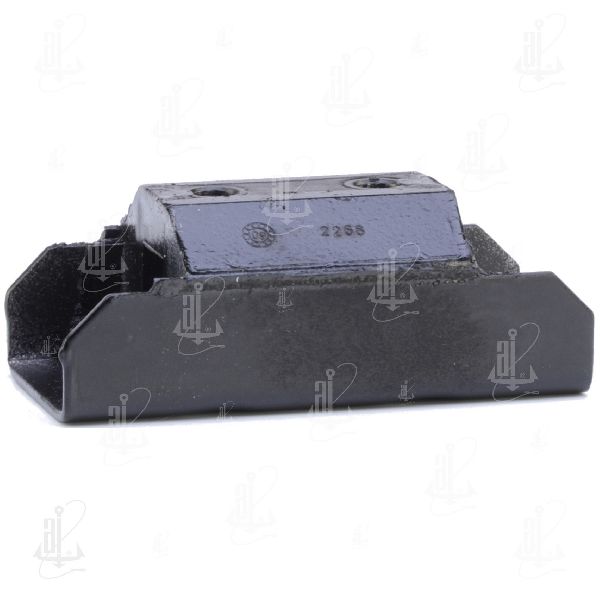
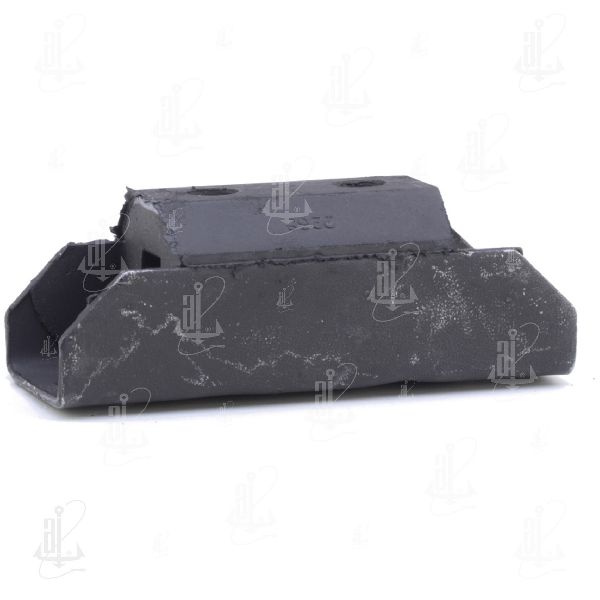
The most common design for 2WD models is a single-stud mount that bolts to the transmission tailhousing and the frame crossmember. 4WD models may use a different style. Visual confirmation is recommended before purchase.
We Have This Part in Stock


The information in this article is provided for general reference and educational purposes only. Vehicle specifications, procedures, and part compatibility can vary by production date, trim level, and region. Always consult your vehicle's factory service manual and verify part numbers before purchasing or performing repairs. Safety-critical components such as airbags, seat belts, and braking systems should be installed by a qualified professional.