

A Guide to the Engine Intake Manifold Gasket Set for the 1979-1991 GMC C3500
Leaking coolant or a rough idle on your classic GMC C3500 truck could point to a bad intake manifold gasket.
- You must correctly identify your engine (e.g., 350 Small Block, 454 Big Block) to get the right gasket set.
- Symptoms often involve coolant leaks, overheating, or vacuum leaks causing a rough idle.
- High-quality aftermarket brands like Fel-Pro and Victor Reinz are highly recommended for this repair.
- Most mechanics suggest using a bead of RTV sealant for the front and rear manifold seals instead of the gaskets provided in the kit.
Is Your GMC C3500's Intake Gasket Failing?
A failing intake manifold gasket is a common issue on the Small Block and Big Block V8 engines used in the 1979-1991 GMC C3500. The original gaskets were often made of materials that can degrade over time, especially when exposed to modern coolants. Failures typically result in coolant leaks, vacuum leaks, or both.
Symptoms of a Bad Gasket
- Coolant Leaks: You might see puddles of green, red, or yellow coolant under your truck, or notice coolant residue around the top of the engine where the intake manifold meets the cylinder heads.
- Engine Overheating: A significant coolant leak will cause the engine to run low on coolant and overheat.
- Milky Engine Oil: If the gasket fails internally, coolant can mix with your engine oil. This creates a milky, frothy substance on the dipstick or under the oil filler cap and can cause severe engine damage.
- White Exhaust Smoke: Coolant burning in the combustion chambers will produce sweet-smelling white smoke from the exhaust pipe.
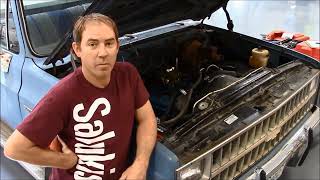
- Rough Idle & Poor Performance: A vacuum leak from a bad gasket lets extra air into the engine, causing a rough or unstable idle, hesitation, and reduced power. You may also hear a distinct hissing or whistling sound from the engine bay. 🎬 Watch: How to diagnose and repair a leaking intake gasket.
Engine Type Matters
The 1979-1991 GMC C3500 was available with several engines, most commonly the Chevy Small Block (like the 350) and Big Block (like the 454). You must get the correct gasket set for your specific engine. Pay close attention to the engine size and cylinder head port shape (oval or rectangular for Big Blocks) when ordering.
Choosing the Right Aftermarket Gasket Set
For these classic trucks, high-quality aftermarket gaskets are often considered an upgrade over the original factory parts. Brands have different reputations for quality and materials.
Brand Tiers for Your C3500
- Premium (Better Sealing, Durability): Brands like Fel-Pro and Victor Reinz are highly recommended by mechanics and truck owners. Fel-Pro's sets with "Printoseal" elastomeric beads offer extra sealing power around ports. For trucks with aluminum intake manifolds on cast-iron heads, a steel-core reinforced gasket is a wise choice to prevent failure from different metal expansion rates.
- Performance-Oriented: Brands like Edelbrock, Mr. Gasket, and Cometic are popular for modified or high-performance engines. If you have an aftermarket Edelbrock intake, their matched gasket is often recommended, but be sure the port size matches your cylinder heads, as some are oversized for stock heads.
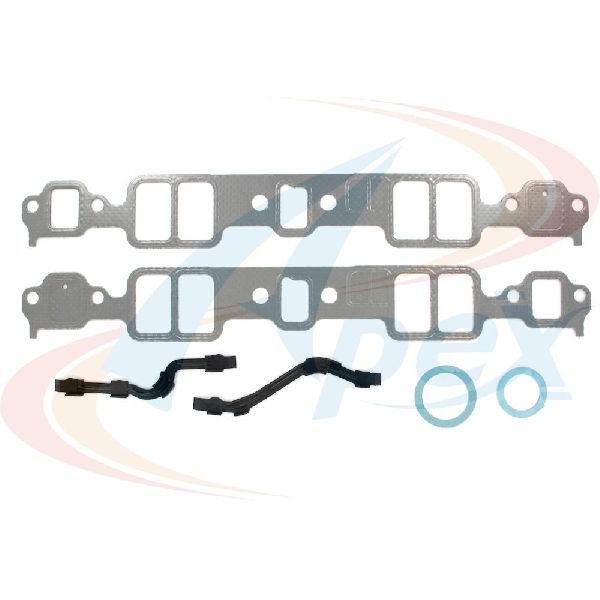
- Standard/Budget: Brands like Apex are typically more budget-friendly options for standard repairs. While functional, they may not offer the advanced materials or longevity of premium brands.
Pro Tip: Ditch the End Seals
Many experienced mechanics discard the cork or rubber end seals that come in gasket kits for the front and back of the intake manifold. Instead, they apply a thick, quarter-inch bead of high-quality RTV silicone sealant (like Permatex "The Right Stuff" or a good grey RTV) to the block's end rails. This method often provides a more reliable, long-lasting seal against oil leaks.
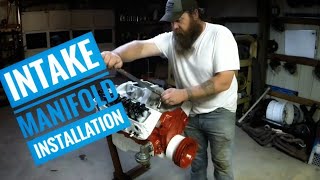
🎬 See this walkthrough for installing a small block Chevy intake.Cost of a New Intake Manifold Gasket Set
| Part Type | Estimated Cost |
|---|---|
| New Aftermarket Gasket Set | $17.44 - $70.21 |
| Shop Labor for Installation | $400 - $800 |
Note: Costs are estimates and can vary based on location, brand, and vehicle condition.
Frequently Asked Questions
Do I need to drain the coolant to change the intake gasket?
Yes. Coolant passages run through the intake manifold on these engines, so you must drain the cooling system before removing the manifold to prevent coolant from spilling into the engine's lifter valley and cylinders.
Do I need to remove the distributor?
Yes, the distributor passes through the intake manifold and must be removed. It is critical to mark the position of the distributor housing and the rotor before you take it out to ensure you can reinstall it in the correct position for proper engine timing.
Should I use sealant on the gaskets?
Most modern gaskets are designed to be installed dry on the main port surfaces. However, it is common practice to apply a thin film of RTV sealant around the coolant ports on both sides of the gasket for extra protection. As mentioned, a thick bead of RTV is recommended for the front and rear end rails instead of the supplied seals.
What is the torque sequence for the intake manifold bolts?
It is very important to tighten the intake manifold bolts in a specific sequence and in multiple steps to the correct torque specification. This ensures the gasket is compressed evenly. The correct sequence is usually included in the instructions with your new gasket set or can be found in a vehicle service manual.
Helpful Videos
Technical Specifications
Gasket materials vary by brand and include composite, paper with silicone beads (Printoseal), and steel core options. The correct gasket port size and shape must match the engine's cylinder heads.
We Have This Part in Stock


The information in this article is provided for general reference and educational purposes only. Vehicle specifications, procedures, and part compatibility can vary by production date, trim level, and region. Always consult your vehicle's factory service manual and verify part numbers before purchasing or performing repairs. Safety-critical components such as airbags, seat belts, and braking systems should be installed by a qualified professional.
- 🎬 Helpful Videos
- 🛍️ Shop This Part
- Is Your GMC C3500's Intake Gasket Failing?
- Symptoms of a Bad Gasket
- Engine Type Matters
- Choosing the Right Aftermarket Gasket Set
- Brand Tiers for Your C3500
- Pro Tip: Ditch the End Seals
- Cost of a New Intake Manifold Gasket Set
- Frequently Asked Questions
- 🎟️ Get 5% Off