

A Guide to Replacing the Speedometer Cable on a 1979-1991 GMC C3500
Fix your bouncing or dead speedometer needle by choosing the right replacement cable for your classic GMC truck.
- Confirm if your truck uses a mechanical cable or an electronic sensor, as the 1988-1991 years were transitional.
- A bouncing needle is the number one sign of a failing cable; a dead needle usually means it has snapped.
- Always measure your old cable before ordering a new one to ensure you get the correct length for your specific transmission.
- When installing, route the new cable carefully to avoid sharp bends and contact with the exhaust, as this will cause premature failure.
Is Your Truck Mechanical or Electronic?
Before buying a part, it's important to know what system your truck uses. The 1979-1991 year range covers two different truck generations.
- 1979-1987 (Square Body): These trucks almost always use a fully mechanical speedometer cable.
- 1988-1991 (GMT400): This is a transition period. Many of these newer body style trucks switched to an electronic Vehicle Speed Sensor (VSS) that sends an electrical signal to the speedometer. However, some base models or trucks with older transmission carryovers still used a mechanical cable. Some of these cable-driven systems even have an optical sensor on the back of the speedometer to generate an electronic signal for the engine computer (ECM) or cruise control. Visually check the back of your speedometer and the output on your transmission to confirm you have a cable before ordering.
Signs of a Failing Speedometer Cable
When a speedometer cable starts to fail, the signs are usually obvious. After decades of use, the internal lubricant dries up, the inner core can fray, or it can snap completely.
Common Failure Symptoms:
- Bouncing Speedometer Needle: This is the most common symptom. A dry or kinked cable will bind and release as it spins, causing the needle to jump erratically, especially at lower speeds.
- No Speed Reading: If the needle doesn't move at all, the inner cable has likely snapped or become disconnected from the transmission or the gauge.
- Squealing or Whining Noise: You may hear a squealing or clicking sound from behind the dashboard that changes pitch with your speed. This is the sound of the dry inner cable spinning and rubbing inside the outer housing.
Choosing the Right Aftermarket Cable
For a truck of this age, new OEM parts from GM are generally unavailable. The aftermarket offers several good options at different price points.
Brand Tiers
Standard Replacement (Good): ATP & Pioneer Cable
These brands offer affordable, direct-fit replacement cables that function like the original. They are a good choice for a daily driver or work truck where budget is a key concern. However, some owners on forums have noted that the fit of the cheapest aftermarket cables at the speedometer head can be less precise than the original, potentially leading to some needle waver. Some kits from these brands are also universal "cut-to-fit" inner core replacements, which are very inexpensive but require more work.
Premium / Custom (Best): Lokar
Lokar specializes in high-end, performance-oriented parts. Their speedometer cables often feature a braided stainless steel housing for a custom look and added durability. These are "cut-to-fit" kits, meaning you tailor them to your exact application, which is ideal for modified trucks. While significantly more expensive, a Lokar cable is a great choice for a restored or custom C3500.
Specialty (Niche): B&M
B&M primarily offers very short, specific-use cables designed to work with their aftermarket shifters and transmission components, like torque converter lock-up kits. They are generally not a source for standard, full-length replacement cables.
Aftermarket Brand Cost Comparison
| Brand Tier | Brands | Price Range | Notes |
|---|---|---|---|
| Standard Replacement | ATP, Pioneer Cable | $15 - $40 | Direct-fit, OE-style replacements. Good value for stock vehicles. |
| Premium / Custom | Lokar | $100 - $152 | Cut-to-fit design with high-quality materials like braided stainless steel. |
Installation Tips
Measure First! The most common mistake is ordering the wrong length. C3500s came with various transmissions (TH400, SM465, etc.) that can affect cable length. The safest bet is to remove your old cable and measure it from tip to tip before ordering.
Avoid Kinks. When routing the new cable, ensure it follows smooth, gentle curves. Sharp bends or routing it too close to hot exhaust pipes will cause it to bind and fail prematurely.
One-Piece is Better. If your truck has cruise control, it may have a two-piece speedometer cable. These are known to be less reliable. Many owners recommend replacing the two-piece setup with a single, continuous cable for better performance.
Frequently Asked Questions (FAQ)
Why is my speedometer needle bouncing?
A bouncing needle is the classic sign of a speedometer cable that is binding inside its housing. This is caused by a lack of lubrication, internal fraying of the cable, or a sharp kink in the cable's routing.
My speedometer reads zero. How do I test the cable?
The easiest way to test is to disconnect the cable from the transmission. Attach the end of the square inner cable to a power drill and run it in reverse. Have a helper watch the dashboard. If the speedometer needle moves, the cable and gauge are likely good, and the problem is the plastic drive gear inside the transmission. If the needle doesn't move, the cable is broken or the speedometer head itself has failed.
Can I just lubricate my old cable instead of replacing it?
You can try, but it's often a temporary fix. You can remove the inner cable, clean it, and apply a specific speedometer cable lubricant (not heavy grease). However, if the cable is already frayed or the housing is damaged, the problem will return. Given the low cost of a new cable, replacement is usually the better long-term solution.
Is replacing the speedometer cable a difficult job?
For most DIYers, this is a straightforward job that takes about an hour. The hardest part is often reaching behind the instrument cluster to release the clip that holds the cable to the speedometer head. The rest involves unscrewing it from the transmission and carefully routing the new one.
Technical Specifications
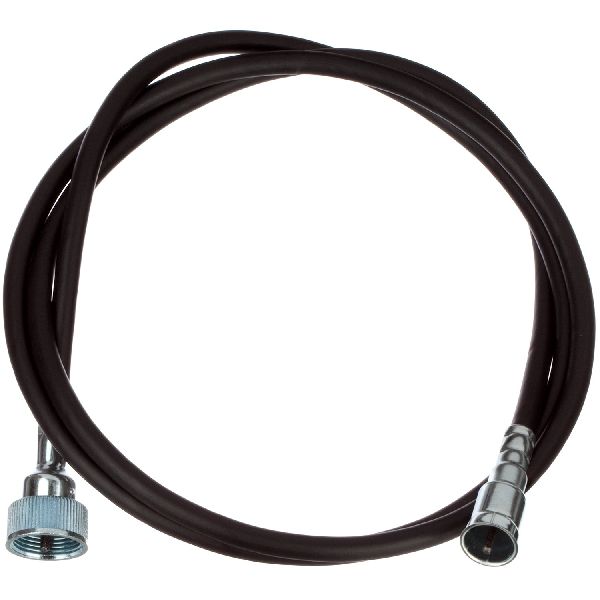
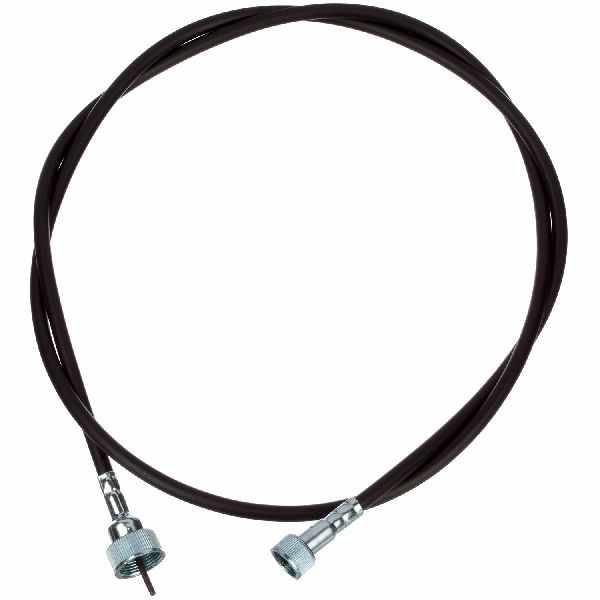
Key specifications are the overall length (which varies), the transmission connection type (typically a 7/8"-18 threaded fitting), and the speedometer head connection type (typically a 5/8"-18 threaded fitting with a clip-on design for GM trucks).
We Have This Part in Stock


The information in this article is provided for general reference and educational purposes only. Vehicle specifications, procedures, and part compatibility can vary by production date, trim level, and region. Always consult your vehicle's factory service manual and verify part numbers before purchasing or performing repairs. Safety-critical components such as airbags, seat belts, and braking systems should be installed by a qualified professional.