

GMC K3500 Speedometer Cable Guide for 1979-1991 Models
Fix your classic GMC's bouncing or dead speedometer with the right new aftermarket cable.
- A bouncing speedometer needle is the classic sign of a failing cable that needs lubrication or replacement.
- Aftermarket cables from brands like Pioneer and ATP are affordable and reliable for stock trucks.
- Measure your old cable or confirm your truck's transmission/transfer case setup to ensure you buy the correct length.
- Proper routing is essential; avoid sharp bends to prevent premature cable failure.
Is Your Speedometer Acting Up?
A faulty speedometer cable is a common issue on classic trucks like the 1979-1991 GMC K3500. Because it's a moving part, the inner cable can wear out, get kinked, or break over time. The most frequent signs of trouble are a bouncing speedometer needle, especially at low speeds, or a complete loss of speed reading. You might also hear a squealing or grinding noise from behind the dashboard as the cable binds inside its housing.
Common Ordering Mistakes
Before you buy, be aware of a few key details. The most common mistake is ordering the wrong length. Your K3500 could have come with different transmissions (like the TH400 or SM465) and transfer cases (like the NP205 or NP208), which can affect the required cable length. It's always best to measure your old cable or verify your truck's specific drivetrain configuration before ordering. Also, check if your truck has a one-piece or a two-piece cable (often used with factory cruise control). Many owners prefer to replace a two-piece setup with a more reliable single cable.
Watch Out for Kinks
When installing the new cable, proper routing is critical. Avoid sharp bends or routing the cable too close to hot exhaust components. A kinked cable will fail quickly, causing the same bouncing needle problem you're trying to fix.
Choosing the Right Aftermarket Speedometer Cable
Since genuine OEM cables for this era are largely unavailable, the aftermarket is your go-to source. Quality is generally good for this simple part. Your choice depends on your budget and needs.
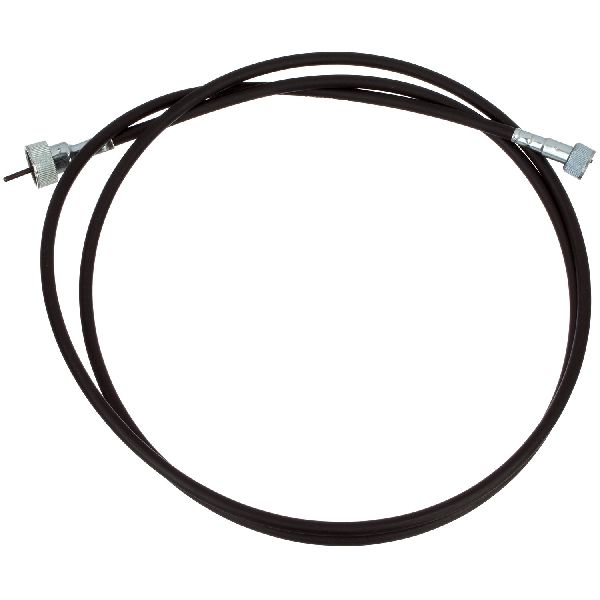
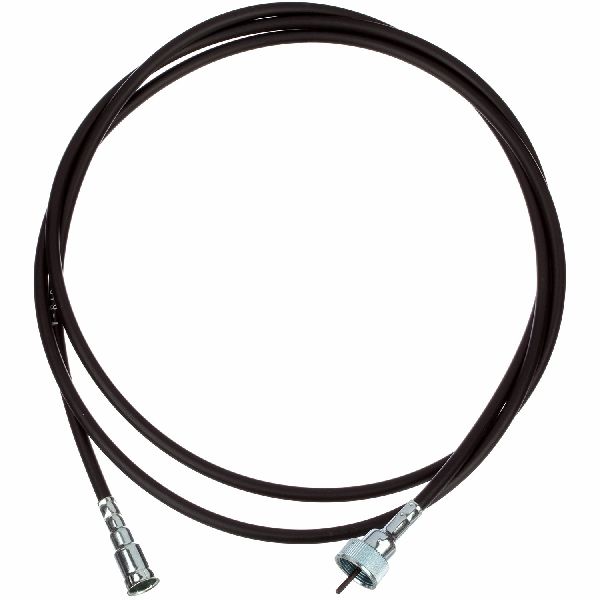
- Standard Replacement (Pioneer, ATP): Brands like Pioneer and ATP offer direct-fit replacement cables that meet or exceed original specifications. They are affordable, widely available, and a reliable choice for a daily driver or stock restoration. They come in various lengths and with the correct fittings for an easy installation.
- High-Performance / Custom (Lokar, B&M): Brands like Lokar specialize in high-end, customizable parts. Their cables often feature a stainless steel braided housing for a custom look and extra durability. These are typically "cut-to-fit" kits, meaning you tailor the length yourself, which is great for modified trucks with engine or transmission swaps. B&M also offers performance-oriented cables.
Cost Overview: 1979-1991 GMC K3500 Speedometer Cable
| Part Type | Estimated Cost |
|---|---|
| New Aftermarket (Standard) | $15 - $40 |
| New Aftermarket (High-Performance/Custom) | $70 - $152 |
| Shop Labor for Installation | $100 - $200 |
Pro Tip: Lubricate Before Installing
Even though most new cables come pre-greased, it's a good practice to pull the inner cable out of the housing and apply a light coat of white lithium grease or a specific speedometer cable lubricant. This ensures the smoothest possible operation and can significantly extend the life of the cable.
Frequently Asked Questions (FAQ)
Why is my speedometer needle bouncing?
A bouncing needle is the most common symptom of a failing speedometer cable. It happens when the inner cable binds and releases inside the housing due to lack of lubrication, a kink in the cable, or internal fraying. At low speeds, the cable sticks and releases, causing the needle to jump. While less common, a faulty cruise control transducer (if equipped) can also cause this.
Is it hard to replace a speedometer cable myself?
For most home mechanics, this is a very doable DIY job. It typically takes about an hour with basic hand tools. The process involves disconnecting the cable from the back of the instrument cluster and from the transmission or transfer case, routing the new cable carefully, and connecting both ends. The trickiest part is often reaching the clip on the back of the speedometer.
How do I know what length of cable to buy?
The best way is to remove and measure your old cable from tip to tip. If that's not possible, you'll need to know your truck's exact configuration (2WD/4WD, transmission type, and whether it has cruise control) to select the correct length from a parts catalog. When in doubt, it's often safer to get a slightly longer cable than one that is too short, as long as you can route it without sharp bends.
My speedometer stopped working completely. Is it the cable?
It's very likely the cable. A total failure usually means the inner cable has snapped. A simple test is to disconnect the cable from the transmission/transfer case and attach the inner cable end to a drill. Have a helper watch the speedometer while you run the drill in reverse. If the speedometer moves, the problem is with the drive gear in the transmission; if it doesn't move, the cable is broken or the speedometer head itself has failed.
Technical Specifications
Cables are defined by length (e.g., 63", 70", 83", 100"), housing material (plastic or braided stainless steel), and connection type (thread-on at transmission, clip-on at speedometer head). The inner cable has squared ends to engage the drive gear and speedometer input.
We Have This Part in Stock


The information in this article is provided for general reference and educational purposes only. Vehicle specifications, procedures, and part compatibility can vary by production date, trim level, and region. Always consult your vehicle's factory service manual and verify part numbers before purchasing or performing repairs. Safety-critical components such as airbags, seat belts, and braking systems should be installed by a qualified professional.