

Guide to the 1979-1991 GMC P3500 Brake Light Switch
Solve common brake light and cruise control problems on your P3500 chassis with the right replacement part.
- A faulty brake light switch is a primary cause for both brake light failure and cruise control issues on the P3500.
- Driving without functional brake lights is extremely dangerous and illegal; this repair should be done immediately.
- Before replacing the switch, always check the fuse, bulbs, and wiring for corrosion first.
- Replacement is a simple, low-cost DIY job that does not require special tools or calibration for this vehicle.
Is Your Brake Light Switch Failing?
A faulty brake light switch on a P3500 is a common issue that can cause several frustrating and dangerous problems. Because these vehicles are often used for commercial purposes or as RVs, ensuring brake light function is critical. The symptoms are usually straightforward.
Common Symptoms of Failure
- Brake Lights Don't Work: The most obvious and dangerous symptom is when your brake lights do not light up at all when you press the pedal. This can happen if the switch fails in the open position.
- Brake Lights Stay On: The switch can also fail in the closed position, causing the brake lights to stay on even when your foot is off the pedal. This will confuse other drivers and can drain your battery overnight.
- Cruise Control Won't Work: If your P3500 has cruise control, a bad brake light switch is a common reason for it to stop working. The system may think the brakes are being applied and will not allow the cruise control to engage.
- Intermittent Brake Lights: The lights may flicker or only work sometimes when you press the pedal, indicating the internal contacts of the switch are worn out.
Check for Other Issues First
Before replacing the switch, check the simple things. A blown fuse or burnt-out bulbs can mimic a switch failure. Also, on a vehicle of this age, inspect the wiring. A forum user with a 1991 GMC reported that corroded wires were the actual cause of their brake light problem, not the switch itself. If your P3500 has an aftermarket trailer brake controller, a fault in that unit can sometimes back-feed voltage and keep the brake lights on.
Choosing the Right Aftermarket Brake Light Switch
For a 1979-1991 GMC P3500, you do not need to seek out a rare or expensive OEM part. Quality aftermarket switches are readily available and perform reliably. The key is choosing a brand known for quality components. Aftermarket parts are available in different quality tiers.
- Premium Aftermarket (Rostra, Standard Ignition): Brands like Rostra and Standard Ignition (SMP) are known for producing high-quality electronic components that meet or exceed original specifications. They often use better materials, such as copper alloy conductors, for improved durability and performance. Choosing one of these brands is a good investment for long-term reliability.
- Standard Aftermarket (Dorman): Dorman is a well-known brand that produces a vast range of parts for older vehicles. While some mechanics have mixed opinions on their overall quality, their switches are generally considered a reliable and affordable option for a straightforward repair like this.
- Economy Aftermarket (Skyward): Skyward and other private-label brands represent the most budget-friendly options. While they will get the job done, they may not have the same long-term durability or rigorous testing as premium brands. They are a viable choice if the budget is the primary concern.
Replacement Cost
Replacing the brake light switch is an inexpensive repair, whether you do it yourself or have a shop handle it.
| Part/Service | Estimated Cost |
|---|---|
| New Aftermarket Switch | $5.40 - $32.74 |
| Shop Labor | $50 - $100 |
| Total Cost (Shop Repair) | $55 - $133 |
DIY Replacement is Easy
This is a great job for a DIY mechanic. The switch is located on the arm of the brake pedal under the dashboard. The replacement involves disconnecting the battery, unplugging the wiring harness, and removing a small clip or bolt to release the old switch. The most challenging part is usually working in the tight space of the footwell.
Frequently Asked Questions (FAQ)
Where is the brake light switch located on a GMC P3500?
The brake light switch is mounted on the brake pedal support bracket, located under the dashboard in the driver's side footwell. You will see it attached to the brake pedal arm, where it is activated as soon as the pedal is pressed.
Can a bad brake light switch drain my vehicle's battery?
Yes. If the switch fails and gets stuck in the 'on' position, it will keep the brake lights illuminated continuously, even when the vehicle is turned off. This parasitic draw will drain the battery, potentially leaving you with a no-start condition.
Do I need to adjust the new brake light switch after installation?
For this generation of GM trucks, the brake light switch is typically self-adjusting or does not require adjustment. It is a plug-and-play part. Unlike newer vehicles that may require a computer relearn procedure, the 1979-1991 models use a simple mechanical switch.
What is the difference between a 2-prong and a 4-prong switch?
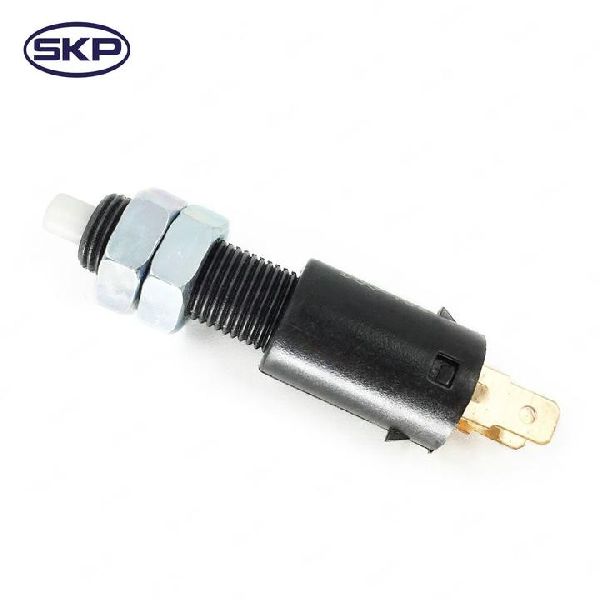
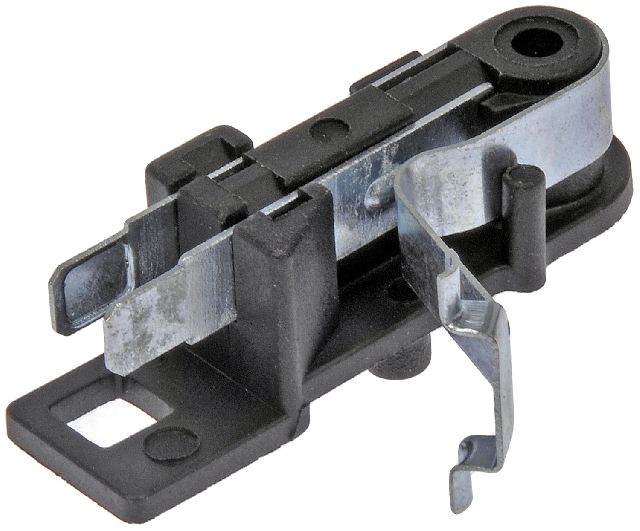
The number of terminals (prongs) depends on your vehicle's options. A basic switch for brake lights only might have two prongs. A switch for a vehicle with cruise control will typically have four or more prongs—two for the brake light circuit and two for the cruise control deactivation circuit. It is essential to order the correct switch for your P3500's specific configuration.
Are there any recalls for the 1979-1991 GMC P3500 brake light switch?
No. Searches of the National Highway Traffic Safety Administration (NHTSA) database did not find any recalls or technical service bulletins (TSBs) related to the brake light switch for the 1979-1991 GMC P3500.
Technical Specifications
Located on the brake pedal support bracket. Typically features a 2-pin or 4-pin electrical connector, depending on cruise control options.
We Have This Part in Stock


The information in this article is provided for general reference and educational purposes only. Vehicle specifications, procedures, and part compatibility can vary by production date, trim level, and region. Always consult your vehicle's factory service manual and verify part numbers before purchasing or performing repairs. Safety-critical components such as airbags, seat belts, and braking systems should be installed by a qualified professional.