

1979-1994 Mercury Capri Ignition Switch Replacement and Diagnosis
Address no-start conditions and sudden stalling by understanding how to choose the right ignition switch for your Fox-platform Capri.
- A faulty ignition switch is a critical failure that can prevent your Capri from starting or cause it to stall while driving.
- The ignition switch is a separate electrical part from the mechanical key lock cylinder.
- Models from 1988-1993 were part of a major Ford recall for fire risk related to the ignition switch; check your VIN with NHTSA.
- Both Motorcraft (OEM) and Standard Ignition (aftermarket) are considered quality, reliable brands for this replacement part.
Understanding Ignition Switch Failure in Your Capri
If your 1979-1994 Mercury Capri is having trouble starting, stalling unexpectedly, or showing other strange electrical behavior, a faulty ignition switch could be the culprit. This component is the electrical heart of your starting system. Over time, the internal contacts can wear out or break, leading to a loss of power to critical systems. This can happen intermittently at first, perhaps when going over bumps, before failing completely.
Important Recall Information
Ford issued a major recall in 1996 for faulty ignition switches on millions of 1988-1993 vehicles, including the Mercury Capri. These switches could short circuit and cause a fire, even with the vehicle turned off. While this recall is old, it's crucial to verify if your Capri was affected and if the repair was ever performed. A separate recall for the 1994 Capri also existed for a faulty cruise control switch that could pose a fire risk. You can check for open recalls using your vehicle's VIN on the NHTSA website.
Symptoms of a Bad Ignition Switch
A failing ignition switch can create a variety of symptoms. Because it controls power to so many different circuits, the signs of failure can sometimes be confusing.
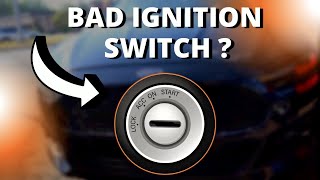
🎬 Watch this video to identify common symptoms of failure.- No-Start, No-Crank: You turn the key and nothing happens. The starter motor makes no sound because the switch isn't sending it power.
- Stalling While Driving: The switch can lose contact internally, cutting power to the ignition and fuel systems, which will shut the engine off. This is a critical safety issue.
- Intermittent Electrical Problems: Your dashboard lights might flicker, or the radio and climate controls may cut out and then come back on.
- Key Issues: While often related to the lock cylinder, a binding or damaged ignition switch can make the key hard to turn.
- Car Won't Turn Off: In rare cases, the switch can fail in the 'on' position, and the engine will continue to run even after you remove the key.
Choosing the Right Aftermarket Ignition Switch
For the 1979-1994 Capri, the ignition switch is a part shared with the Ford Mustang of the same era, making it readily available. When choosing a replacement, you have two solid options: Motorcraft and Standard Motor Products (Standard Ignition).
Brand Quality: Motorcraft vs. Standard Ignition
Motorcraft: This is Ford's own parts brand, making it the Original Equipment (OE) supplier. Choosing Motorcraft guarantees a perfect fit and function identical to the part your Capri was built with. For critical electrical components, many Fox Body owners prefer to stick with Motorcraft to ensure reliability.
Standard Ignition (SMP): Standard is a highly respected aftermarket manufacturer that has been producing quality ignition components for decades. For a vehicle of this age, a part from Standard Ignition is often considered a high-quality alternative to OE, providing excellent performance and value. Their parts are widely used by professional mechanics.
Given the simplicity of this component on an older vehicle, a new switch from either Motorcraft or Standard Ignition is a reliable choice. The decision often comes down to price and availability.
| Part Type | Estimated Cost | Notes |
|---|---|---|
| New Aftermarket (Standard Ignition) | $43.19 - $55.93 | Excellent value and quality for this application. |
| New OEM (Motorcraft) | $65 - $85 | The original part for your vehicle, ensuring a perfect match. |
| Shop Labor | $120 - $200 | Typically 1.0 to 1.5 hours of labor. |
Frequently Asked Questions (FAQ)
Is the ignition switch the same as the ignition lock cylinder?
No, they are two separate parts. The lock cylinder is the mechanical tumbler that your key fits into. The ignition switch is the electrical component that the lock cylinder activates, usually via a connecting rod inside the steering column. It's common to confuse the two, but they fail for different reasons and are replaced separately.
Is this the same ignition switch used on a Ford Mustang?
Yes, the 1979-1994 Mercury Capri was built on the Ford Fox Body platform and shares its steering column and many electrical components, including the ignition switch, with the Ford Mustang of the same model years. This cross-compatibility makes finding the part much easier.
Can I replace the ignition switch myself?
Yes, this is a DIY-feasible job for someone with basic mechanical skills. It involves removing the plastic shrouds around the steering column to access the switch. The main challenge is often working in a tight space under the dashboard. The difficulty is considered low to moderate.
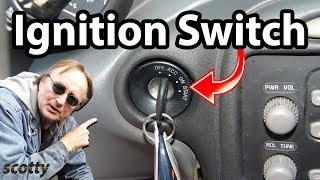
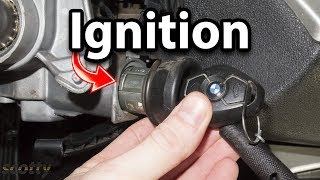
🎬 Follow this step-by-step guide to replace your ignition switch.Why did my original ignition switch fail?
Failure is usually due to age and wear. The internal metal contacts that complete the electrical circuits wear down from thousands of key turns. In some cases, especially on 1988-1993 models, failure could be related to the manufacturing defect that led to the massive Ford recall.
Helpful Videos
Technical Specifications
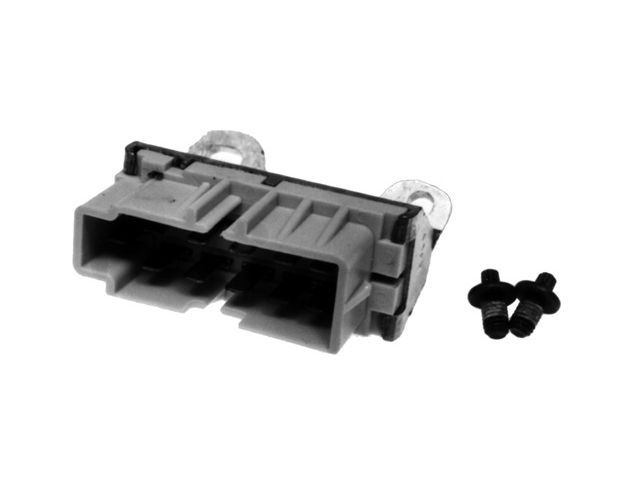
OEM Part Numbers: E9DZ-11572-A DOTZ-11572-A
Electrical switch located on the steering column, actuated by the ignition lock cylinder. Controls power to the starter, ignition, and accessory circuits.
We Have This Part in Stock


The information in this article is provided for general reference and educational purposes only. Vehicle specifications, procedures, and part compatibility can vary by production date, trim level, and region. Always consult your vehicle's factory service manual and verify part numbers before purchasing or performing repairs. Safety-critical components such as airbags, seat belts, and braking systems should be installed by a qualified professional.