

GMC C3500 Starter Motor: A Guide for the 1979-1995 Generations
Everything you need to know before replacing the starter on your Square Body or OBS GMC C3500 truck.
- Before replacing the starter, always verify your battery is fully charged and all cable connections are clean and tight.
- Identify your engine's starter bolt pattern (inline for small-blocks, staggered for big-blocks) before ordering a new part.
- For high-compression or big-block engines with headers, a high-torque mini starter from a brand like Powermaster is a recommended upgrade to prevent heat-related starting issues.
- Replacement is a straightforward DIY job, typically taking 1-2 hours with basic tools.
Is Your C3500 Starter Failing?
For 1979-1995 GMC C3500 trucks, the starter is a robust, direct-drive unit. However, after decades of service, failure is common. Symptoms often get confused with a bad battery, so it's important to diagnose the problem correctly. Before blaming the starter, always ensure your battery is fully charged (above 12.4 volts) and that the battery terminals and cables are clean and tight. Corrosion or loose connections are a frequent cause of starting problems on these older trucks.
Common Failure Symptoms
- Single Loud "Click": You turn the key and hear one solid click, but the engine doesn't crank. This usually means the starter solenoid is receiving power and activating, but the starter motor itself is failing to spin due to worn internal parts or a bad electrical connection.
- Rapid Clicking: A fast clicking or chattering sound is almost always a sign of a weak or dead battery that doesn't have enough power to turn the starter.
- No Sound at All: If there's complete silence when you turn the key, the problem could be the ignition switch, neutral safety switch, or a complete failure in the starter solenoid or its wiring.
- Slow or Labored Cranking: If the engine turns over very slowly, like it's struggling, it can point to a dying starter motor drawing too much current, or high resistance from bad cables.
- Grinding or Whirring Noise: A grinding sound during or after cranking can mean the starter gear isn't meshing correctly with the flywheel, possibly due to improper shimming or damaged gear teeth. A high-pitched whirring or spinning sound without the engine turning over suggests the starter motor is spinning but the bendix gear is not engaging the flywheel.
Heat Soak on Big Blocks
Owners of C3500s with big-block engines (like the 454) and aftermarket headers should be aware of "heat soak." Intense heat from the exhaust can damage the starter and solenoid over time, causing it to fail when the engine is hot. If your truck starts fine when cold but refuses to crank after a long drive, a high-torque, gear-reduction starter and a heat shield are recommended solutions.
Choosing the Right Aftermarket Starter
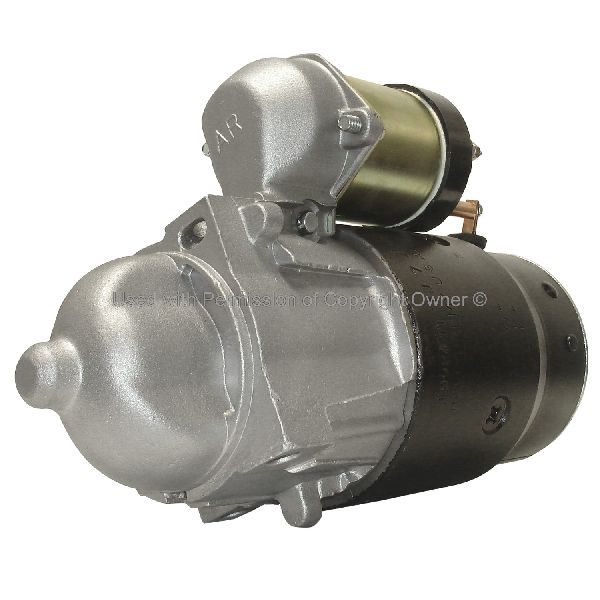
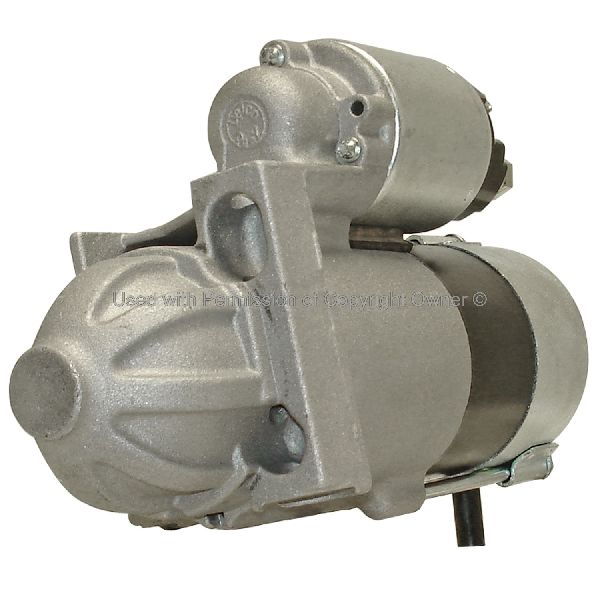
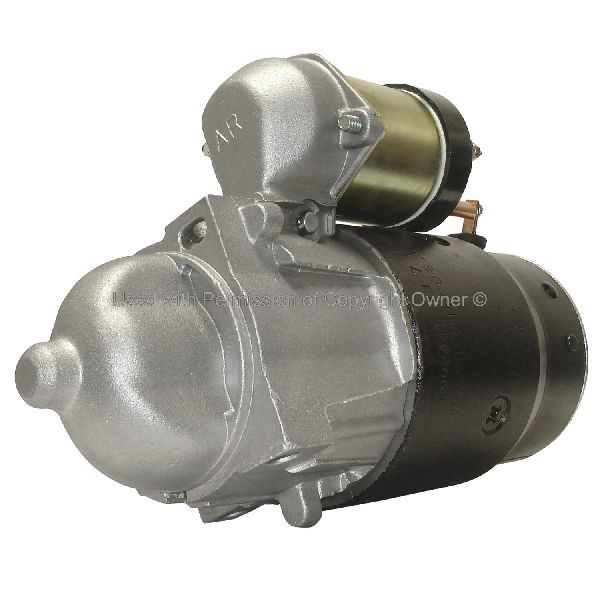
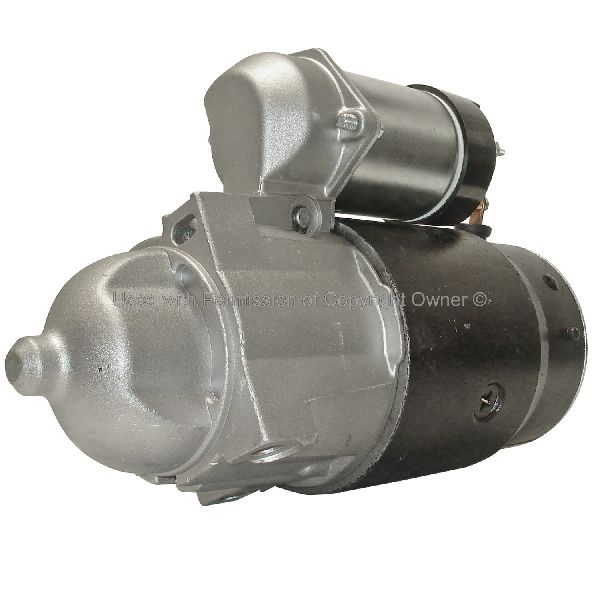
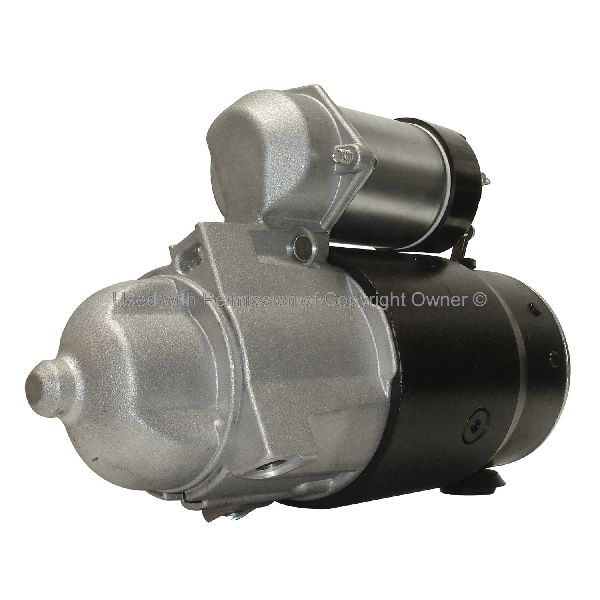
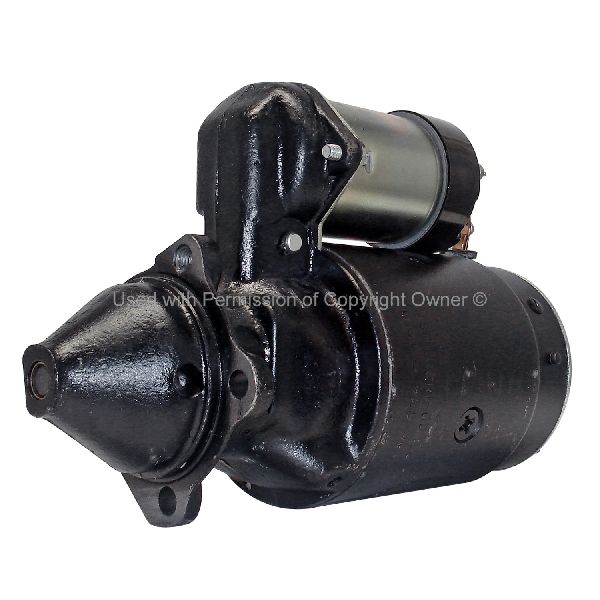
For the 1979-1995 C3500, you have a choice between standard replacement starters and high-torque "mini" starters. The original starters are large, heavy, direct-drive units. Modern aftermarket options often use a gear-reduction design, making them smaller, lighter, and more powerful.
Check Your Bolt Pattern!
GM used two different starter mounting patterns for this era, depending on the engine and flywheel size. Small-block V8s (like the 350) typically use a 153-tooth flywheel and a starter with an inline (straight) bolt pattern. Big-block V8s (like the 454) use a larger 168-tooth flywheel and a starter with a staggered (offset) bolt pattern. Always verify which one your truck has before ordering a replacement.
Brand Quality Tiers
- Standard Replacement (MPA): Motorcar Parts of America (MPA) produces the "Quality-Built" line of starters. These are typically remanufactured units designed to meet or exceed original factory specifications. They are a reliable, budget-friendly choice for a stock or lightly modified truck and serve as a direct replacement for the factory unit.
- Performance (Powermaster): Powermaster specializes in high-performance and heavy-duty starters. Their gear-reduction mini starters provide more cranking torque, which is ideal for high-compression engines, big blocks, or trucks that suffer from heat soak. Forum reviews are generally positive, citing reliability and power, though proper shimming is sometimes required for quiet operation.
- Budget Performance (Proform): Proform also offers lightweight, high-torque mini starters at an attractive price. However, owner reviews are very mixed. While some users have good experiences, many report premature failures, internal components breaking, and issues with grinding or binding right out of the box. This brand may be a gamble regarding long-term durability.
| Part Type | Estimated Price Range | Notes |
|---|---|---|
| New Aftermarket | $89 - $434 | Wide range covers standard replacements to high-torque performance models. |
| Remanufactured Aftermarket | $90 - $250 | A common and cost-effective option. Quality can vary by brand. |
| Remanufactured OEM (GM) | $110 - $275 | A reliable option sourced through GM parts dealers. |
| Shop Labor | $61 - $90 | Typically a 1-hour job for an experienced mechanic. |
Frequently Asked Questions (FAQ)
Is it hard to replace the starter on a 1979-1995 C3500?
No, it is considered a relatively easy job for someone with basic mechanical skills. The starter is held on by two bolts and is accessible from underneath the truck. The main steps involve disconnecting the battery, removing the electrical connections and bolts, and swapping the unit. The estimated time is 1-2 hours.
Do I need to shim my new starter?
Possibly. Shims are thin metal spacers used to adjust the distance between the starter gear and the flywheel teeth. Incorrect spacing can cause grinding or damage. Many GM starters of this era require them for proper operation, especially aftermarket units. Your new starter may come with a set of shims and instructions for checking the clearance.
Are there any recalls for the starter on my truck?
Based on searches of the National Highway Traffic Safety Administration (NHTSA) database, there are no open recalls or specific Technical Service Bulletins (TSBs) for the starter motor on the 1979-1995 GMC C3500.
What's the difference between a direct-drive and a gear-reduction starter?
A direct-drive starter (like the factory original) has the motor's shaft directly connected to the bendix gear. They are simple but large and heavy. A gear-reduction starter (like most modern mini starters) uses a set of internal gears between the motor and the bendix. This allows a smaller, faster motor to produce more torque at the gear, resulting in a lighter, more compact, and often more powerful starter.
Technical Specifications
OEM Part Numbers: 10496873 1988714
Voltage: 12V. Rotation: Clockwise. Mounting Styles: Staggered bolt pattern (typically for 168-tooth flywheel on big-block engines) or Inline bolt pattern (typically for 153-tooth flywheel on small-block engines). Number of Teeth: 9 or 11, depending on application.
We Have This Part in Stock

The information in this article is provided for general reference and educational purposes only. Vehicle specifications, procedures, and part compatibility can vary by production date, trim level, and region. Always consult your vehicle's factory service manual and verify part numbers before purchasing or performing repairs. Safety-critical components such as airbags, seat belts, and braking systems should be installed by a qualified professional.