

Mazda 626 Horn Replacement Guide (1979-2002)
If your Mazda 626 horn is silent, weak, or won't stop blaring, this guide will help you diagnose the problem and choose the right replacement part.
- Horn failure on a Mazda 626 is usually due to a bad fuse, relay, or the horn unit itself.
- Before replacing the horn, always check the fuse and listen for a click from the relay to diagnose the issue.
- Aftermarket brands like Standard Ignition offer reliable, direct-fit replacements that are more affordable than OEM parts.
- Replacement is a simple DIY task for most owners, typically requiring only basic tools and about an hour of time.
Is Your Mazda 626 Horn Failing?
A problem with your horn can show up in a few ways. You might press the button and hear nothing at all, or just a faint, weak sound. Sometimes, only one of the two horns on the vehicle has failed, resulting in a lower volume. In less common cases, the horn might get stuck and blow continuously, which can be caused by a faulty relay or a problem with the horn switch in the steering wheel. Most horn issues are electrical, stemming from a bad fuse, a faulty relay, corroded wiring, or the horn unit itself wearing out from exposure to the elements.
Common Causes of Horn Failure in a Mazda 626:
- Blown Fuse: The first and easiest thing to check. A bad fuse will prevent any power from reaching the horn circuit.
- Faulty Horn Relay: The relay is a small electrical switch that can wear out or fail, causing the horn to either not work at all or get stuck on.
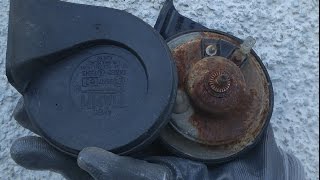
- Bad Horn Unit: The horns are located at the front of the car and are exposed to weather, which can cause internal corrosion and failure over time.
- Wiring or Ground Issues: Broken wires, corroded connectors, or a bad ground connection can interrupt power to the horn.
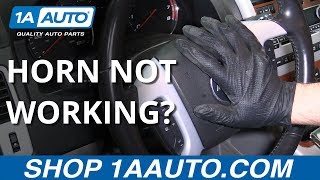
- Clock Spring/Horn Switch: In later models with airbags, a component in the steering column called a clock spring can fail, which affects the horn button's connection. 🎬 Watch this specific fix for Mazda 626 horn issues. A stuck horn switch can also cause the horn to blare nonstop.
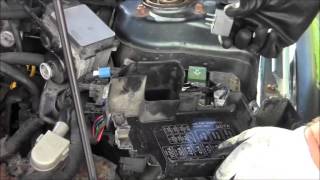
Pro Tip: Before buying a new horn, check the fuse first. Then, listen for a 'click' from the horn relay (usually in the under-hood fuse box) when a friend presses the horn button. If you hear a click but the horn doesn't sound, the problem is likely the horn itself or its wiring. If there's no click, the issue is more likely the relay, fuse, or the switch in the steering wheel.
🎬 See a breakdown of common reasons why car horns fail.Choosing the Right Aftermarket Horn
For a vehicle like the 1979-2002 Mazda 626, aftermarket horns are a practical and affordable solution. OEM (Original Equipment Manufacturer) parts may be difficult to find and more expensive. Aftermarket brands offer reliable quality that often meets or exceeds the original specifications.
- Standard Ignition: A well-regarded brand in the aftermarket, Standard Ignition provides direct-fit replacement parts. Their horns are designed to match the original's fit, form, and function, making for a straightforward installation. They are known for quality control and durable materials.
- Replacement: This brand offers a cost-effective alternative. While sometimes seen as a more basic option, these horns are designed to be a functional replacement to get your vehicle to pass a safety inspection. For a daily driver, they are a perfectly acceptable choice.
The original horns on many vehicles are not high-end components, so a quality aftermarket part from a reputable brand like Standard Ignition will restore function effectively. There is no significant downside to choosing an aftermarket horn for your 626, as they provide the same level of safety and reliability as the original part when new.
| Part Type | Estimated Cost |
|---|---|
| New Aftermarket Horn | $36.29 - $77.37 |
| Shop Labor | $50 - $120 |
Frequently Asked Questions (FAQ)
Where is the horn located on a 1979-2002 Mazda 626?
On many later model 626s (around 1999), there are two horns. They are located behind the front turn signal light assemblies. You may need to remove the signal assembly (usually held by one screw) to access them. On other models, they are generally mounted to the radiator core support behind the front grille.
Is it difficult to replace the horn on my Mazda 626?
No, it is a relatively easy job for a DIYer. Basic hand tools are usually all that's needed. The process involves disconnecting the battery, unplugging the electrical connector from the old horn, unbolting it, and then installing the new one in reverse order. Accessing the horn is the main challenge, which may require removing the front grille or turn signal housings.
🎬 Follow this video guide to access and replace your horns.My horn won't stop blaring. What should I do?
If your horn is stuck on, the quickest way to silence it is to pull the horn relay from the fuse box under the hood. This is a temporary fix. The cause is likely a stuck relay or a short in the horn switch within the steering wheel's airbag assembly. This issue, especially if related to the steering wheel switch, may require a professional mechanic to diagnose and repair safely.
Do I need to buy a special high-tone or low-tone horn?
Most vehicles, including the Mazda 626, use a dual-horn system with one high-tone and one low-tone horn to create a standard, fuller sound. While you can replace just the one that failed, it's often recommended to replace them in pairs, as the other is likely near the end of its life too. Aftermarket kits are often sold as sets or as universal high/low tone replacements.
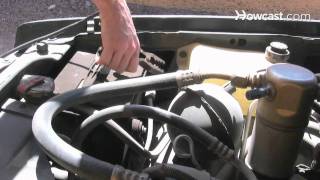
Helpful Videos
Technical Specifications
Voltage: 12V. System typically uses a high-tone and a low-tone horn.
We Have This Part in Stock


The information in this article is provided for general reference and educational purposes only. Vehicle specifications, procedures, and part compatibility can vary by production date, trim level, and region. Always consult your vehicle's factory service manual and verify part numbers before purchasing or performing repairs. Safety-critical components such as airbags, seat belts, and braking systems should be installed by a qualified professional.