

Spark Plug Replacement Guide for the 2006 Lincoln Zephyr
Keep your Zephyr's 3.0L V6 running smoothly with the right spark plugs and knowledge.
- The Lincoln Zephyr name was only used for the 2006 model year; this guide is specific to that vehicle.
- Replacing the three rear spark plugs is a difficult job that requires removing the upper intake manifold.
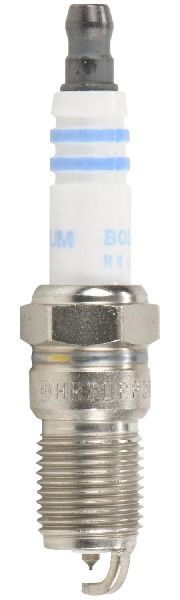
- Use high-quality Iridium or Double Platinum spark plugs from brands like NGK, Denso, or Bosch for best results.
- Consider replacing the ignition coils at the same time as the spark plugs to save on future labor costs.
Understanding Spark Plugs in Your Zephyr
The 2006 Lincoln Zephyr was only produced for one model year before being renamed the MKZ. It came equipped with a 3.0L V6 engine that requires six spark plugs. Over time, the electrodes on these plugs wear down, which can lead to a variety of engine problems. The original plugs were designed for long life, often up to 100,000 miles, but performance can degrade sooner. When it's time for a replacement, choosing the right aftermarket plug is essential for maintaining the performance you expect from your Lincoln.
Symptoms of Failing Spark Plugs
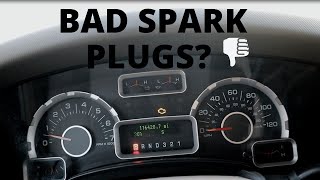
When your Zephyr's spark plugs are nearing the end of their life, you'll likely notice several signs. A common symptom is a rough idle or the engine shaking at a stop. You may also experience difficulty starting the vehicle, reduced fuel economy, and slower acceleration. If a plug is completely fouled or dead, it will cause an engine misfire, which you can feel as a hesitation or stumble during acceleration. This will almost always trigger the Check Engine Light.
🎬 Watch: A visual guide to common symptoms of bad spark plugs.Known Issues & Technical Service Bulletins (TSBs)
A known issue for the 2006 Zephyr involves the ignition system. Ford issued TSB 13-4-17 for vehicles with the 3.0L engine that may show a Check Engine Light with diagnostic trouble codes P0351 through P0356. These codes indicate a problem in the ignition coil primary/secondary circuit. The TSB notes that this can be caused by a damaged coil-on-plug, and the recommended action often includes replacing all six spark plugs and ignition coils, and in some cases, the Powertrain Control Module (PCM). Additionally, oil leaking into the spark plug wells from a failing valve cover gasket is a known issue that can cause misfires and damage the plugs and coils.
🎬 See how to diagnose and fix complex misfire issues on a Lincoln.Choosing the Right Aftermarket Spark Plugs
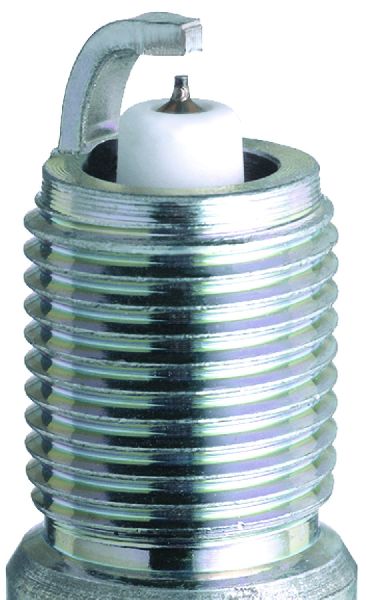
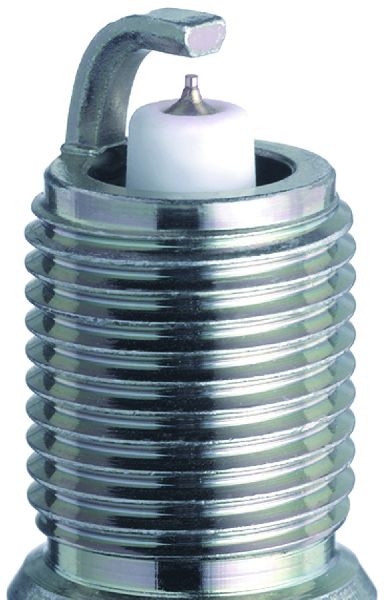
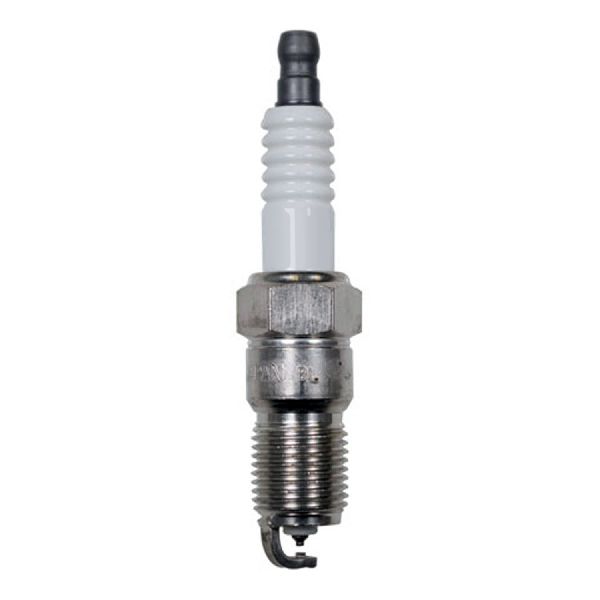
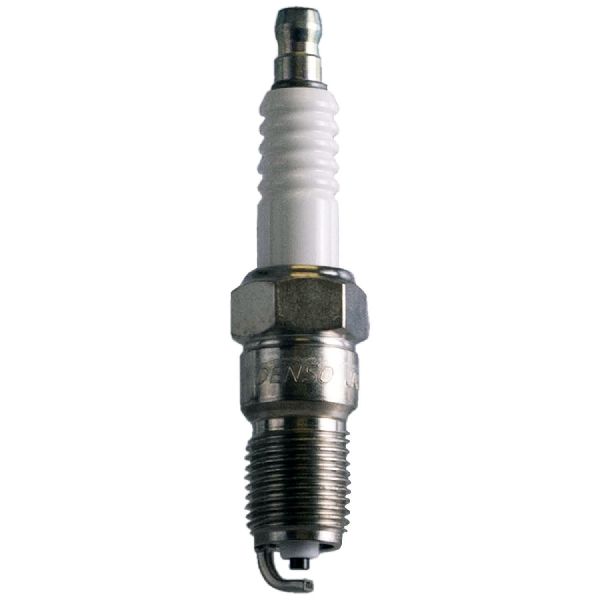
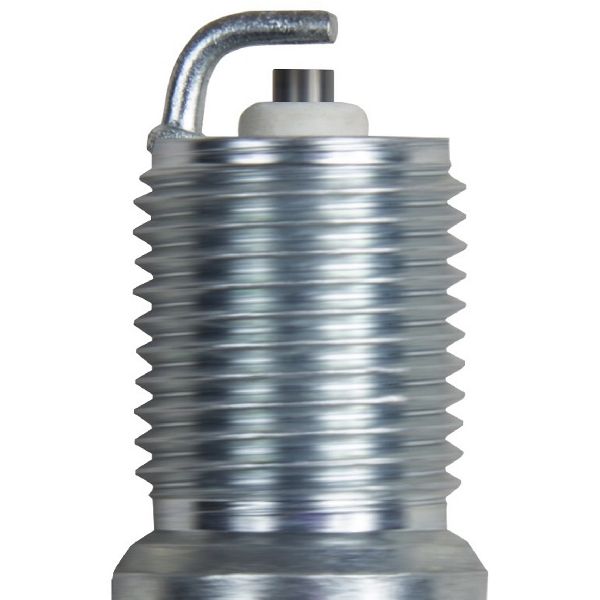
For the 3.0L V6 in your Zephyr, using a high-quality Iridium or Double Platinum spark plug is highly recommended for longevity and performance. These are considered premium materials over standard copper plugs.
- Top Tier (Iridium): Brands like NGK and Denso are excellent choices and often function as OEM suppliers. Their iridium plugs (such as NGK Iridium IX or Denso Iridium TT) offer the best performance and longest service life, often exceeding 100,000 miles. Bosch Double Iridium plugs are also a top-tier option known for durability.
- Mid-Grade (Platinum): Autolite and Champion offer Double Platinum plugs that provide a great balance of performance and cost. These are a significant upgrade over basic plugs and are a good choice if you're not opting for iridium.
- Standard (Copper/Nickel): While available, standard copper plugs from brands like Skyward or base-model NGK plugs are not recommended for the Zephyr. They have a much shorter service life and will require changing far more frequently, which is not ideal given the labor involved in this specific engine.
A Note on Installation
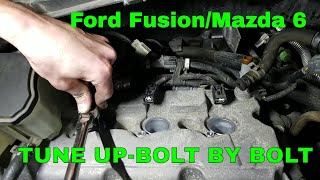
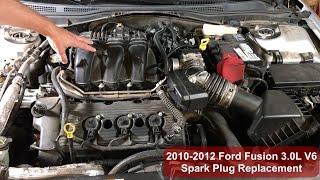
Replacing the spark plugs on the 2006 Zephyr is a tale of two halves. The front three plugs (bank 2) are easily accessible. However, the rear three plugs (bank 1) are located underneath the upper intake manifold. This manifold must be removed to access them, making the job significantly more complex and time-consuming. This is a challenging job for a beginner DIY mechanic. 🎬 Watch this step-by-step walkthrough of the 3.0L V6 spark plug replacement. If you are not comfortable removing the intake manifold, it is best to have a professional mechanic perform the service.
| Part Type | Price Range |
|---|---|
| New Aftermarket | $24 - $124 |
| New OEM (Motorcraft) | $50 - $120 |
| Shop Labor | $250 - $450 |
Frequently Asked Questions
How often should I change the spark plugs on my 2006 Zephyr?
If you use high-quality iridium or platinum plugs, a replacement interval of 80,000 to 100,000 miles is typical. However, if you notice any performance issues, they should be inspected sooner.
Why is replacing the rear spark plugs so expensive?
The labor cost is higher because the rear three spark plugs are located under the engine's upper intake manifold. A mechanic must spend significant time removing the manifold to access the plugs and then reinstalling it, which also requires a new intake gasket.
Should I replace the ignition coils at the same time?
It is a very good idea, especially on a higher-mileage vehicle. Since accessing the rear coils requires the same labor as the plugs, replacing them at the same time saves you from paying for that difficult job twice. TSB 13-4-17 also suggests that failing coils can be an issue on this engine.
Do I need to gap the new spark plugs?
Most premium iridium and platinum spark plugs come pre-gapped from the factory. However, it is always a wise practice to verify the gap with a feeler gauge before installation to ensure it wasn't changed during shipping. The correct gap for the 3.0L V6 is typically around 0.043 - 0.054 inches, but always confirm with the plug manufacturer or vehicle service manual.
Helpful Videos

Technical Specifications
OEM Part Numbers: AGSF-32W-MF4 AYFS-32Y-R
The 2006 Lincoln Zephyr uses six spark plugs for its 3.0L V6 engine. Recommended plug types are Iridium or Double Platinum for longevity. The spark plug gap should be verified before installation, typically between 0.043 and 0.054 inches.
We Have This Part in Stock

The information in this article is provided for general reference and educational purposes only. Vehicle specifications, procedures, and part compatibility can vary by production date, trim level, and region. Always consult your vehicle's factory service manual and verify part numbers before purchasing or performing repairs. Safety-critical components such as airbags, seat belts, and braking systems should be installed by a qualified professional.