

Chevrolet Caprice Throttle Position Sensor Guide: 1980-1984
Solve hesitation, poor idle, and shifting problems on your 1980-1984 Caprice by understanding and replacing your TPS.
- This part is for fuel-injected Caprice models, typically 1982-1984 with Throttle Body Injection (TBI).
- Symptoms of failure include hesitation, erratic idle, poor transmission shifting, and stalling.
- Replacement is an easy DIY job, but the new sensor will likely need to be adjusted with a multimeter to set the correct idle voltage.
- For best results and reliability, choosing a top-tier brand like ACDelco is recommended for this critical sensor.
Is This Part for My Caprice?
This guide is for the 1980-1984 Chevrolet Caprice, primarily models equipped with fuel injection. General Motors introduced Throttle Body Injection (TBI) around 1982. If your Caprice has a large, round air cleaner housing with two fuel injectors visible in the center, you likely have a TBI engine that uses a TPS. Some late-model computer-controlled carburetors in this era also used a TPS. If you have a traditional, non-computerized carburetor, your car does not have this part.
Signs of a Failing Throttle Position Sensor
A bad TPS sends incorrect signals to your car's computer, leading to a variety of frustrating engine and transmission issues. You may notice one or more of the following symptoms:
- Hesitation or Stumbling: The car may bog down or hesitate when you press the gas pedal.
- Erratic Idle: The engine might idle too high, too low, or surge up and down for no reason.
- Poor Automatic Shifting: The transmission may shift too late, too early, or very harshly. The computer uses the TPS signal to help time shifts.
- Stalling: The engine could stall when you come to a stop or let off the gas.
- Sudden Surges in Speed: The car might unexpectedly accelerate without you pressing the pedal further.
- Check Engine Light: A faulty TPS will often trigger the Check Engine Light. On these GM vehicles, this can be associated with trouble code 21 or 22.
Don't Mistake Other Failures for a Bad TPS
Symptoms like rough idle and hesitation on these TBI engines can also be caused by vacuum leaks, a dirty throttle body, or issues with the Idle Air Control (IAC) valve. It's wise to check for these simple problems as well.
Choosing the Right Aftermarket TPS
For a component as critical as the TPS, quality matters. While original GM parts are no longer in production, the aftermarket offers several options. Based on owner feedback and brand reputation, here is a breakdown of the available brands.
Tier 1: OEM-Equivalent Quality
- ACDelco: As GM's own parts division, ACDelco is the closest you can get to an original part. While generally the most trusted option, some enthusiasts note that "service parts" for older cars may not always have the same manufacturing standards as the original production parts.
Tier 2: Reputable Aftermarket
- Standard Ignition (Standard Motor Products): A long-standing brand in the aftermarket, SMP is generally considered a reliable choice. However, forum discussions show that experiences with aftermarket sensors can sometimes be hit-or-miss.
Tier 3: Value Options
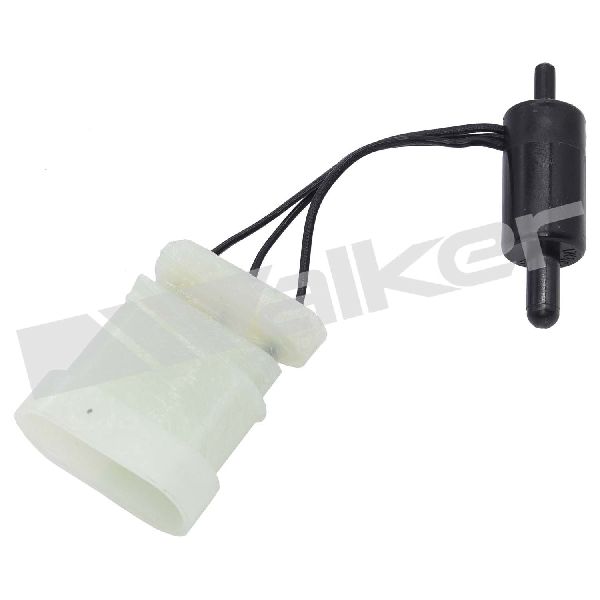
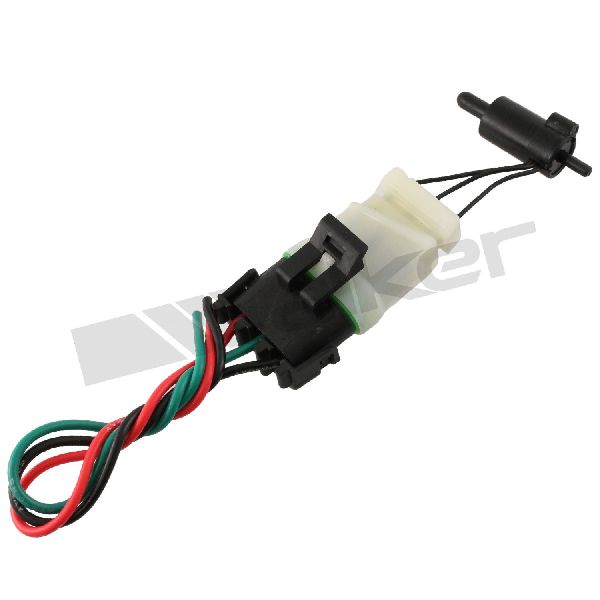
- Motorad & Walker Products: These brands provide a more budget-friendly alternative. They are a viable option if cost is a primary concern, but long-term reliability data from owner experiences is less available.
A Note on OEM vs. Aftermarket
Many mechanics and long-time owners prefer to use OEM sensors whenever possible, as they are engineered specifically for the vehicle. For a critical sensor like the TPS, spending a little more for a top-tier brand like ACDelco can prevent future headaches and ensure proper communication with your Caprice's original computer system.
Typical Replacement Costs
| Part Type | Estimated Cost |
|---|---|
| New Aftermarket TPS | $49.51 - $114.47 |
| Shop Labor | $50 - $100 |
| New OEM (ACDelco) | $80 - $150 |
| Used OEM | $20 - $50 |
Frequently Asked Questions
Do I need to calibrate or adjust the new TPS?
Yes, adjustment is often necessary for these older GM systems. After installing the new sensor loosely, you'll need a multimeter to measure the voltage on the signal wire with the key on but the engine off. You then physically rotate the sensor until the voltage reads approximately 0.5 volts at the closed throttle position before tightening the screws. Check a service manual for the exact specification for your engine.
Can I test my old TPS to confirm it's bad?
Yes. You can use a multimeter set to Volts DC. Back-probe the sensor's signal wire with the key on (engine off). The voltage should be around 0.5V with the throttle closed and sweep smoothly up to about 4.5V as you manually open the throttle. Any jumps, dead spots, or incorrect idle voltage readings indicate a faulty sensor.
Is replacing the TPS a good DIY job?
Yes, this is a very easy job for a DIY mechanic. The sensor is located on the side of the throttle body and held by two screws. It requires only basic hand tools and can typically be completed in under 30 minutes.
Were there any recalls for the TPS on this Caprice?
No. Searches of the National Highway Traffic Safety Administration (NHTSA) database did not show any recalls or technical service bulletins (TSBs) specifically for the throttle position sensor on the 1980-1984 Chevrolet Caprice.
Technical Specifications
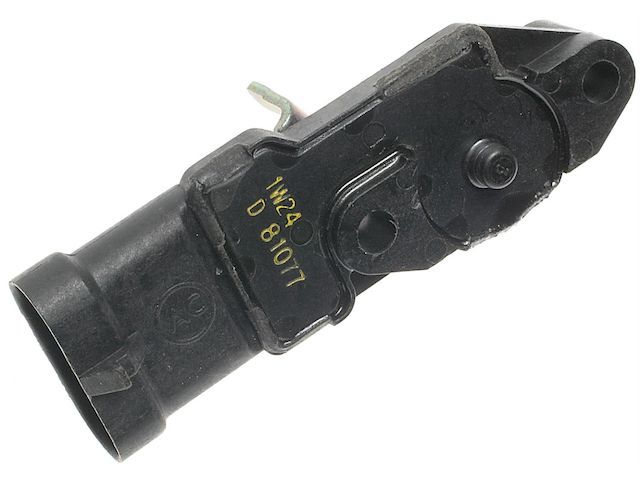
This sensor is a three-wire potentiometer located on the driver's side of the throttle body. It is typically held in place by two T20 Torx screws. Adjustment is required to set the base voltage at idle, which is critical for proper engine and transmission function.
We Have This Part in Stock


The information in this article is provided for general reference and educational purposes only. Vehicle specifications, procedures, and part compatibility can vary by production date, trim level, and region. Always consult your vehicle's factory service manual and verify part numbers before purchasing or performing repairs. Safety-critical components such as airbags, seat belts, and braking systems should be installed by a qualified professional.
- Chevrolet Caprice: