

Chevrolet Malibu Engine Mount Guide: 1980-1984
Stop excessive vibrations and clunking noises by choosing the right engine mounts for your 1980-1984 Malibu.
- Diagnose bad mounts by looking for heavy vibration at idle, clunking noises when shifting, and visible engine lurching.
- Choose standard rubber mounts (Anchor, DEA, Westar) for a quiet, stock ride, but be aware of inconsistent quality.
- Choose polyurethane mounts (Energy Suspension) for high performance and durability, but expect more cabin vibration.
- Always replace engine mounts in pairs and inspect the transmission mount at the same time for a complete repair.
Is Your Malibu's Engine Shaking or Clunking?
After 40-plus years, the original rubber on your engine mounts has likely seen better days. Heat, oil, and age cause the rubber to crack, get hard, or turn into a mushy mess. When this happens, the mount can no longer do its job. You might notice a few common signs that it's time for a replacement.
- Heavy Vibration: You might feel a strong vibration through the steering wheel, floor, or seats, especially when the car is idling at a stoplight.
- Loud Noises: A loud 'clunk' or 'thump' from the engine bay when you shift from park to drive, or when you accelerate hard, is a classic sign of a bad mount. This is the sound of the engine lifting and hitting other parts.
- Visible Engine Movement: Open the hood and have a friend safely put the car in drive while holding the brake, then give it a little gas. If you see the engine jump or lurch violently, the mounts are worn out. A severely broken mount can even let the engine fan hit the radiator shroud.
Choosing the Right Aftermarket Mounts
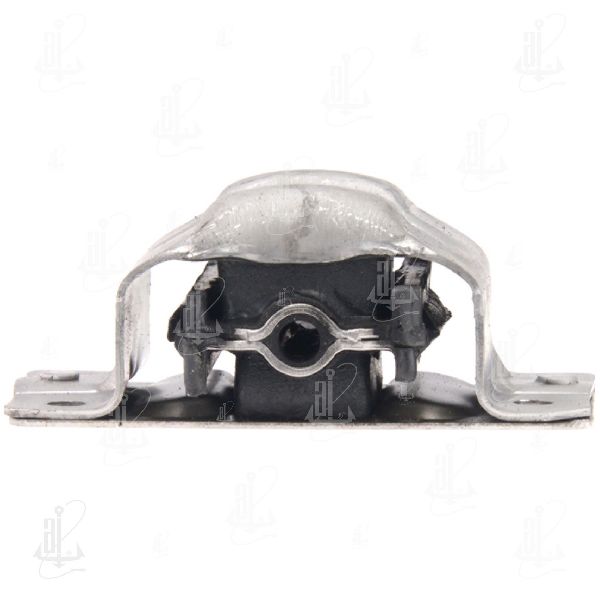
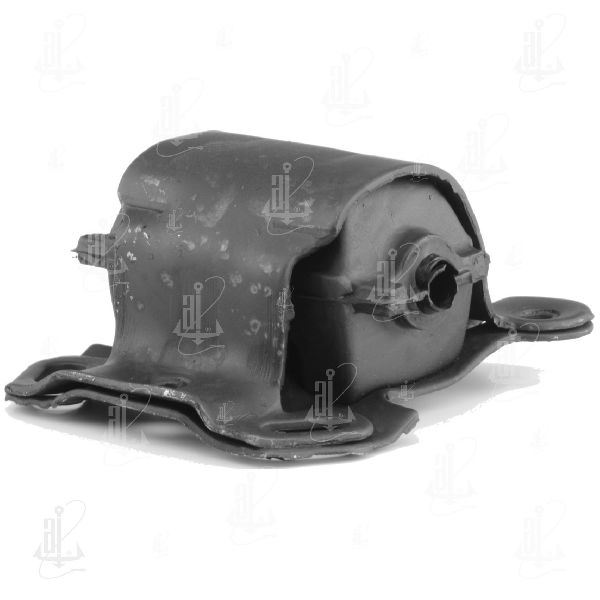
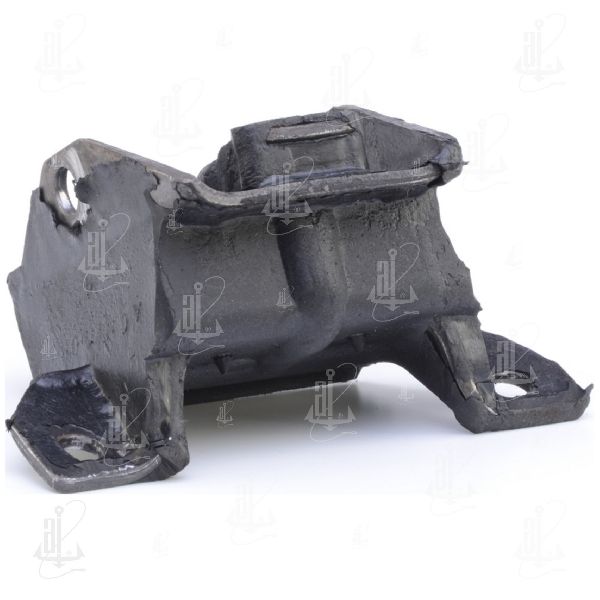
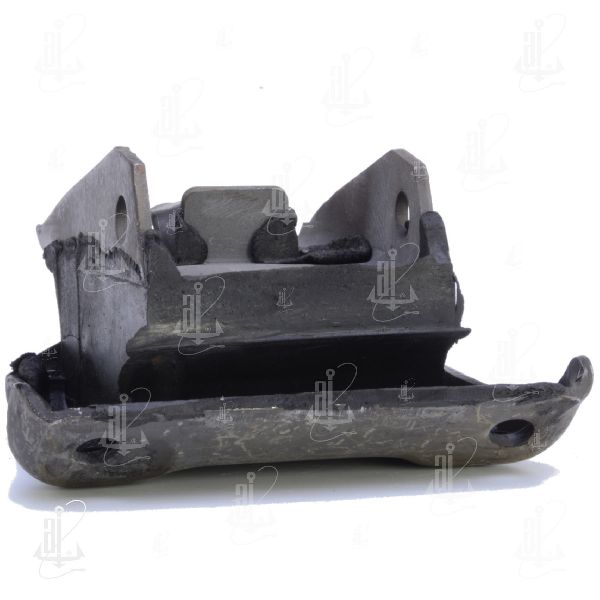
Original GM engine mounts for this generation of Malibu are no longer made. All available options are aftermarket, which fall into two main categories: standard rubber replacements and performance polyurethane upgrades.
Good: Standard Rubber Replacements
Brands like: Anchor, DEA, Westar, Pioneer
These are designed to be direct, factory-style replacements. They use rubber to absorb vibrations, providing a smooth and quiet ride similar to the original parts. They are the most affordable option and are a good choice for a daily driver or a stock restoration. However, quality among these budget-friendly brands can be inconsistent, with some owners reporting shorter lifespans.
- Pros: Low cost, smooth and quiet ride.
- Cons: Quality can be a gamble; may not last as long as premium options.
Better: Performance Polyurethane Mounts
Brands like: Energy Suspension
Polyurethane is a much stronger material than rubber. These mounts are built for durability and performance, and they are highly resistant to oil, fluids, and heat that can destroy rubber mounts. They will control engine movement much better than rubber, which is great for cars with modified engines or for drivers who want a more connected feel. The main trade-off is that you will feel more engine vibration in the cabin, which can make the ride feel harsher.
- Pros: Extremely durable, excellent for performance, long-lasting.
- Cons: Transmits more vibration, higher initial cost.
Pro Tip: Replace in Pairs and Check the Transmission Mount
Engine mounts work together, so it's best to replace both the left and right side at the same time. While you're at it, inspect the transmission mount. It's made of the same rubber and is likely the same age. Replacing all three at once ensures the entire drivetrain is secure and properly aligned.
Estimated Costs
| Part | Estimated Cost |
|---|---|
| Standard Aftermarket Mounts (Pair) | $25 - $50 |
| Performance Polyurethane Mounts (Pair) | $60 - $100+ |
| Shop Labor to Install (Pair) | $150 - $300 |
Frequently Asked Questions
How many engine mounts does my 1980-1984 Malibu have?
Your Malibu has two engine mounts (one on each side of the engine) and one transmission mount, which supports the back of the transmission.
Can I just replace the one broken mount?
You can, but it's not recommended. If one mount has failed due to age, the other is likely not far behind. Replacing them in pairs ensures even support and prevents the new mount from being stressed by an old, weak one on the other side.
Should I get rubber or polyurethane mounts?
For a stock car used for comfortable cruising, standard rubber mounts are fine. If you have a high-performance engine or want the most durable part possible and don't mind extra vibration, choose polyurethane.
Is replacing engine mounts a DIY job?
Yes, for a person with some mechanical experience. The job requires a floor jack, jack stands, and a basic set of sockets and wrenches. The basic process involves supporting the engine's weight with a jack and a block of wood on the oil pan, unbolting the old mounts, and installing the new ones. Always use jack stands for safety.
Technical Specifications
Common aftermarket part numbers include Anchor 2292 and Energy Suspension 3.1114G (check for specific engine application). Most mounts use a 'clamshell' design with a through-bolt.
We Have This Part in Stock


The information in this article is provided for general reference and educational purposes only. Vehicle specifications, procedures, and part compatibility can vary by production date, trim level, and region. Always consult your vehicle's factory service manual and verify part numbers before purchasing or performing repairs. Safety-critical components such as airbags, seat belts, and braking systems should be installed by a qualified professional.
- Chevrolet Malibu: