

1980-1984 Dodge Challenger Oxygen Sensor: A Complete Guide
Everything you need to know about the oxygen sensor in your second-generation Challenger.
- The 1980-84 Challenger uses a single, simple oxygen sensor to manage its feedback carburetor system.
- Symptoms of failure are universal: bad gas mileage, rough running, and failed emissions tests.
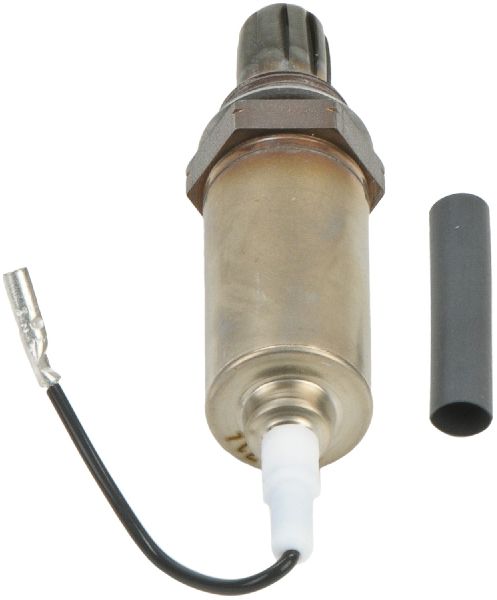
- Bosch is a common and generally reliable aftermarket choice for this vintage application, though OEM parts are unavailable.
- Replacement is a simple DIY job for most, with the biggest challenge being the removal of the old, rusted sensor.
Understanding the Oxygen Sensor in Your Challenger
The 1980-1984 Dodge Challenger, built by Mitsubishi, uses a simple but crucial emissions system. The oxygen sensor, often called an O2 sensor, is the key component that makes this system work. It acts like a nose in your exhaust pipe, sniffing the fumes to see if the engine is burning fuel efficiently. It measures oxygen levels and sends a voltage signal to the engine computer. The computer uses this signal to fine-tune the air-fuel mixture, which is essential for passing emissions tests and getting the best possible gas mileage.
Symptoms of a Failing Oxygen Sensor
Oxygen sensors don't last forever. Contaminants from fuel, oil, and coolant can degrade them over time. When your Challenger's O2 sensor starts to fail, you'll likely notice one or more of these signs:
- Poor Fuel Economy: This is one of the most common symptoms. A bad sensor can cause the engine to run too rich (too much fuel), wasting gas.
- Rough Idle and Poor Performance: You might experience a shaky idle, hesitation when you accelerate, or even engine misfires.
- Rotten Egg Smell: An overly rich fuel mixture can lead to a sulfur or "rotten egg" smell from the exhaust as the catalytic converter gets overwhelmed.
- Failed Emissions Test: An O2 sensor that isn't working correctly will almost certainly cause your vehicle to fail a smog check.
Can I Drive with a Bad O2 Sensor?
Yes, but it's not recommended for long. Driving with a failed O2 sensor will cause poor fuel economy and higher emissions. Over time, a rich fuel mixture can damage your catalytic converter, which is a much more expensive repair than replacing the sensor itself.
Choosing the Right Aftermarket Oxygen Sensor
For a vintage vehicle like the 1980-1984 Challenger, finding original equipment (OEM) parts is nearly impossible. The aftermarket is your primary source for a replacement oxygen sensor.
Brand Spotlight: Bosch
Bosch is a well-known name in automotive parts and is credited with inventing the automotive oxygen sensor in the 1970s. They are a major supplier for both original equipment and the aftermarket.
- Quality: Bosch sensors are generally considered a quality option. However, it's important to note that their reputation among some Chrysler and Dodge (Mopar) enthusiasts is mixed, with some reporting issues with certain applications.
- Application: For older, simpler systems like the single-wire sensor used in the 1980-1984 Challenger, these issues are less common. A universal or direct-fit Bosch sensor is often a reliable and affordable choice.
Pro Tip: Use Anti-Seize
When installing a new oxygen sensor, apply a small amount of high-temperature anti-seize compound to the threads. This prevents the sensor from getting stuck in the exhaust manifold, making future replacement much easier. Many new sensors come with anti-seize already applied or in a small packet.
Replacement Cost
Replacing the oxygen sensor on a 1980-1984 Challenger is an affordable repair. The part itself is not expensive, and labor is minimal.
| Part/Service | Estimated Cost |
|---|---|
| New Aftermarket Oxygen Sensor (Bosch) | $40 - $45 |
| Shop Labor | $50 - $100 |
| Total Estimated Cost | $90 - $145 |
Frequently Asked Questions
How many oxygen sensors does my 1980-1984 Challenger have?
This generation of Challenger has a simple exhaust and engine management system. It is equipped with only one oxygen sensor, located upstream of the catalytic converter, usually screwed into the exhaust manifold.
Is replacing the oxygen sensor a DIY job?
Yes, for most home mechanics this is a straightforward job. It requires an oxygen sensor socket (a special deep socket with a cutout for the wire) and basic hand tools. The main difficulty can be removing the old sensor if it is rusted in place. Soaking it with penetrating oil beforehand can help.
Are there any recalls for the oxygen sensor on this car?
No. There are no recalls or technical service bulletins (TSBs) from the NHTSA related to the oxygen sensor for the 1980-1984 Dodge Challenger.
Will a new oxygen sensor improve my car's performance?
If the old sensor was failing, then yes. Replacing a bad O2 sensor can restore lost fuel economy, smooth out a rough idle, and improve overall engine responsiveness. However, it will not add horsepower beyond the original factory specifications.
Technical Specifications
Typically a single-wire, unheated Zirconia-type oxygen sensor.
We Have This Part in Stock

The information in this article is provided for general reference and educational purposes only. Vehicle specifications, procedures, and part compatibility can vary by production date, trim level, and region. Always consult your vehicle's factory service manual and verify part numbers before purchasing or performing repairs. Safety-critical components such as airbags, seat belts, and braking systems should be installed by a qualified professional.
- Dodge Challenger: