

Oxygen Sensor Guide for the 1980-1984 Jaguar XJS V12
Understanding how to choose the right oxygen sensor to keep your classic XJS running smoothly.
- The 1980-84 XJS uses two oxygen sensors, one for each exhaust bank, which are crucial for the Lucas Digital P fuel injection system.
- Symptoms of failure include poor fuel economy, rough idle, and a 'Check Engine' light.
- Choose a 'direct-fit' sensor to avoid cutting and splicing wires; premium brands like Bosch, Denso, or NGK/NTK are recommended for reliability.
- Replacement is a feasible DIY job, but the sensors can be difficult to remove if they are seized in the exhaust pipe.
Understanding Your XJS Oxygen Sensor
The 1980-1984 Jaguar XJS V12 is equipped with a specific fuel injection system known as the Lucas Digital P, which was a significant update from the earlier D-Jetronic system. A key feature of this system for US-spec cars was the introduction of oxygen sensors to provide feedback for fuel mixture control. These sensors are located in the exhaust downpipes, before the catalytic converters, with one for each bank of cylinders. Their job is to measure oxygen levels in the exhaust, allowing the ECU to make real-time adjustments to the air-fuel ratio. This process is essential for maintaining engine performance, achieving optimal fuel economy, and passing emissions tests.
A Note on Early Sensors
Oxygen sensors from this era were often unheated (1- or 2-wire) or had external heaters (3- or 4-wire). Unheated sensors can take longer to reach their operating temperature, during which time the engine runs in a less efficient "open-loop" mode. Many owners in forums recommend upgrading to a modern, heated sensor for better performance, though this may require wiring modifications.
Choosing the Right Aftermarket Oxygen Sensor
When replacing the oxygen sensor on your XJS, you have several aftermarket options. OEM parts from Jaguar are often expensive or difficult to find for a vehicle of this age. Aftermarket brands offer a cost-effective and reliable alternative, often manufactured by the same companies that supplied the original parts.
Brand Tiers for Your Jaguar
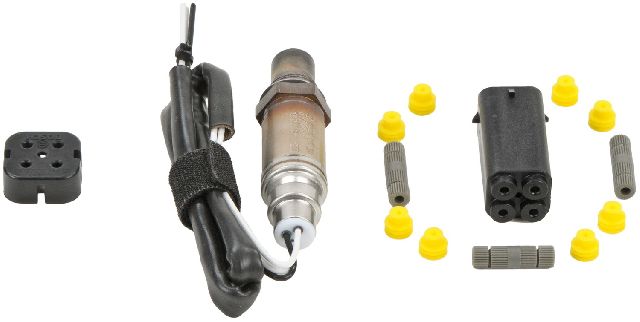
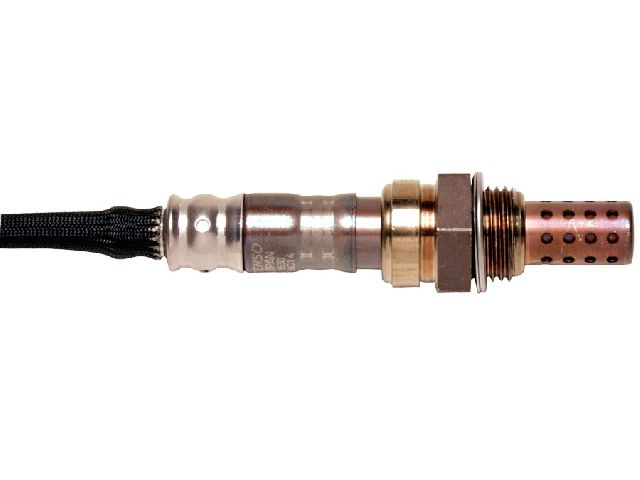
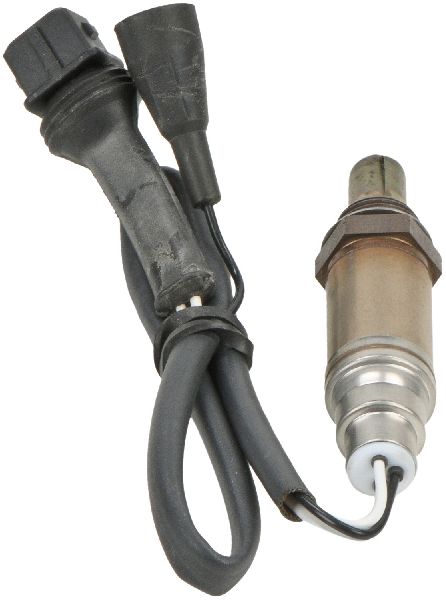
- Premium Brands (Bosch, Denso, NGK/NTK): These brands are widely recognized as original equipment manufacturers for many car brands, including Jaguar. Bosch, in particular, was integral to the design of the fuel injection system used in the XJS. Denso and NGK (under their NTK sensor brand) are also highly regarded for their quality, durability, and engineering that meets or exceeds OEM specifications. Choosing a sensor from one of these brands is the closest you can get to original quality.
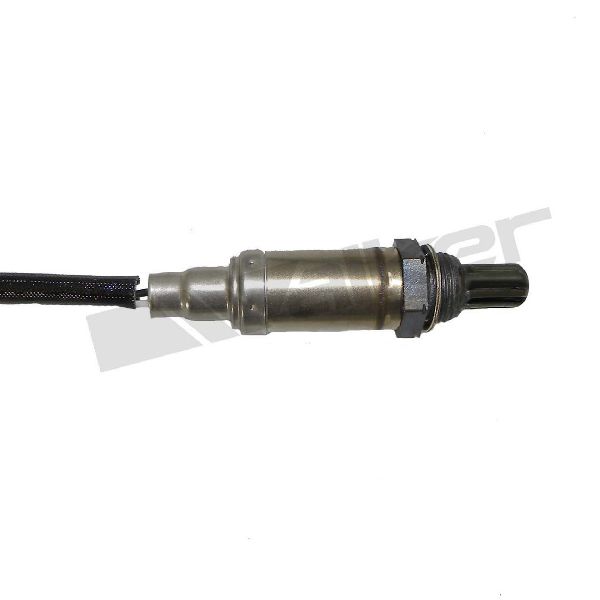
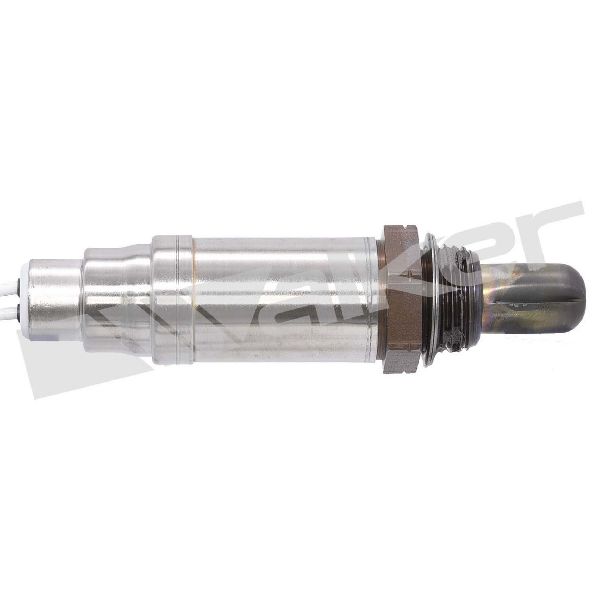
- Quality Alternatives (Walker Products, Spectra): Walker Products has a long history of producing engine management components and offers direct-fit sensors designed to OEM specifications. They are a solid choice for owners looking for a balance between price and quality. Spectra is another brand that provides reliable replacement parts for this vehicle.
- Value-Oriented (DriveWire): Brands like DriveWire typically offer the most budget-friendly options. While functional, they may not have the same longevity or precise calibration as the premium brands. They can be a suitable choice for a temporary fix or for a vehicle that is not driven frequently.
Pro Tip: Direct-Fit vs. Universal
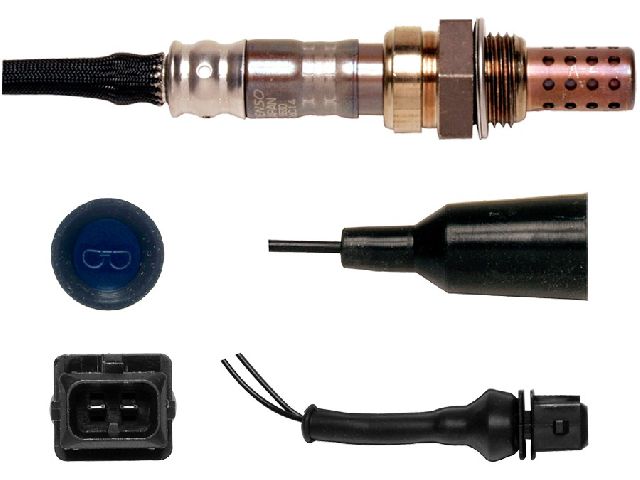
You will find both "direct-fit" and "universal" sensors. A direct-fit sensor comes with the correct plug for your XJS and requires no modifications. A universal sensor requires you to cut off the old connector and splice it onto the new sensor's wires. While universal sensors are often cheaper, the direct-fit option is highly recommended to avoid potential wiring mistakes and ensure a reliable connection.
🎬 See how to replace an oxygen sensor on a classic Jaguar.| Brand Tier | Brands | Typical Price Range | Notes |
|---|---|---|---|
| Premium | Bosch, Denso, NGK/NTK | $60 - $95 | OEM-level quality and performance. Often the original supplier. |
| Quality Alternative | Walker Products, Spectra | $50 - $75 | Reliable, direct-fit replacements meeting OEM standards. |
| Value | DriveWire | $25 - $40 | Budget-friendly option, may require more frequent replacement. |
Frequently Asked Questions (FAQ)
How do I know if my oxygen sensor is failing?
Common symptoms include a noticeable decrease in fuel economy, a rough or irregular idle, sluggish acceleration, and the illumination of the "Check Engine" or a dedicated "OXY Sensor" light on the dashboard. You might also notice a foul, rotten-egg smell from the exhaust or black smoke.
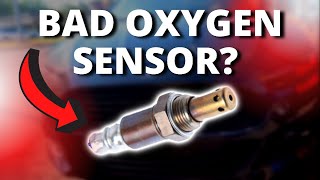
🎬 Watch this video to learn more about bad oxygen sensor symptoms.How many oxygen sensors does my 1980-1984 XJS have?
For the US market, the V12 models from this period are equipped with two oxygen sensors. There is one sensor for each exhaust bank (left and right) to monitor the mixture for each set of six cylinders.
Where is the oxygen sensor located?
The oxygen sensors are screwed into the exhaust downpipes, just before the catalytic converters. On the V12 models, you can often see the right-side sensor by turning the front wheels to the left and looking into the wheel well.
Are there any recalls for the oxygen sensor on my XJS?
There are no specific recalls listed for the 1980-1984 model years. However, an emissions-related recall was issued for the 1994-1995 XJS and XJ12 for an oxygen sensor circuit failure, showing that this can be a point of failure on later models. No relevant Technical Service Bulletins (TSBs) were found for the 1980-1984 models.
Helpful Videos
Technical Specifications
OEM Part Numbers: AGU1108 DAC2549 DAC6907 AGU1870 DBC10744
For the 1980-1984 V12, sensors are typically 1-wire or 3-wire heated types. They are located upstream, before the catalytic converters.
We Have This Part in Stock

The information in this article is provided for general reference and educational purposes only. Vehicle specifications, procedures, and part compatibility can vary by production date, trim level, and region. Always consult your vehicle's factory service manual and verify part numbers before purchasing or performing repairs. Safety-critical components such as airbags, seat belts, and braking systems should be installed by a qualified professional.
- Jaguar XJS: