

Volkswagen Jetta Engine Water Pump Guide: 1980-1984
Keep your classic Jetta's engine from overheating by understanding its water pump.
- A coolant leak or overheating are critical signs that your Jetta's water pump needs immediate attention.
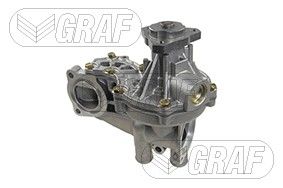
- For this vintage VW, choose a premium aftermarket brand like Hepu or Graf for the best reliability.
- Always replace V-belts and the thermostat at the same time as the water pump to save on future labor costs.
- Driving with a failed water pump can cause severe engine damage; do not drive if the car is overheating.
Is Your Jetta's Water Pump Failing?
A water pump failure in your Mk1 Jetta is a serious issue. If the pump stops working, coolant stops flowing, and the engine will overheat. This can cause major damage, like a blown head gasket. Watch for these common signs that your water pump is going bad.
- Coolant Leaks: This is the most common sign. You might see puddles of green or pink, sweet-smelling coolant on the ground under the front of your engine. A slow leak can also leave a pinkish-white crusty residue on the engine. Leaks usually come from a worn-out seal or gasket.
- Engine Overheating: If your temperature gauge climbs into the red, especially while idling, your water pump may not be circulating coolant effectively. You might also see steam coming from the engine bay.
- Whining or Grinding Noises: A high-pitched whining or a grinding sound from the front of the engine can mean the pump's internal bearing is failing. This sound often changes with engine speed.
Choosing the Right Aftermarket Water Pump
For a vintage car like the 1980-1984 Jetta, finding an original VW (OEM) part is difficult and often unnecessary. High-quality aftermarket parts provide excellent performance. Aftermarket pumps are separated into tiers based on quality and reputation.
Pro Tip: Metal vs. Plastic Impellers
Some aftermarket pumps come with metal impellers (the spinning part that moves coolant), while others are plastic like many originals. For older VWs, German brands like Hepu and Graf are known for high-quality metal impeller pumps that perform well. While some argue the weight of metal can stress the bearing, a well-made pump from a reputable brand will be reliable.
Premium Brands (OEM Quality or Better)
These brands are often original suppliers to German automakers or have a strong reputation for quality that meets or exceeds OEM standards.
- Hepu: Made in Germany and widely considered a top-tier choice for VWs. Known for excellent machining and quality materials.
- Graf: An Italian brand often compared directly to Hepu in terms of quality and design. Some forum users have noted minor issues, but it's generally considered a very reliable option.
Mid-Grade / Reputable Aftermarket Brands
These brands are well-known in the aftermarket and offer a good balance of quality and price. They are a reliable choice for most owners.
- Gates: A huge name in the industry, known for belts and hoses, but their water pumps have a mixed reputation. While many have no issues, some users report premature failures like leaks or bearing noise. It's a widely available option, but may not have the same long-term durability as premium German brands.
- Dayco: Similar in reputation to Gates, Dayco is a major aftermarket manufacturer. Their parts are generally considered affordable and reliable for daily use.
Economy Brands
These brands focus on providing the lowest-cost option. Quality can be inconsistent, making them a risk for a critical part like a water pump.
- URO Parts: Often the cheapest option, but has a poor reputation in VW forums for inconsistent quality and fitment issues. Best avoided for critical components.
- GMB: A Korean company that is an OEM supplier for some car brands. However, owner reviews are very mixed, with some reporting premature failures from leaks. Quality may be inconsistent.
- US Motor Works / WJB: Generally fall into the value or economy category. Quality and longevity may not match that of higher-priced brands.
A Note on "OEM" Parts
For a car of this age, a part sold as "OEM" today is likely made by one of the premium aftermarket manufacturers like Hepu or Graf who originally supplied Volkswagen. A new part from a VW dealer, if available, would be very expensive. A high-quality aftermarket part is the most practical and reliable choice.
Estimated Costs
| Part/Service | Estimated Cost |
|---|---|
| New Aftermarket Water Pump | $37 - $150 |
| Shop Labor | $200 - $350 |
| Total Professional Replacement | $237 - $500 |
Frequently Asked Questions
When should I replace my Jetta's water pump?
Water pumps on these cars don't have a set replacement interval, but they typically last 80,000 to 100,000 miles. It's best to replace it at the first sign of a leak, noise, or overheating. Many mechanics recommend replacing the water pump whenever you replace the timing belt (if applicable) or V-belts as a preventative measure, since much of the labor is the same.
Should I replace other parts at the same time?
Yes. Since the water pump is driven by a V-belt, it's a perfect time to replace the V-belts for the alternator and other accessories. Also, inspect all coolant hoses for cracks or swelling and replace the thermostat while the system is drained. This saves you money on labor later.
How difficult is the replacement?
For a 1980-1984 Jetta, replacing the water pump is a moderately difficult job. It requires draining the cooling system, removing belts, and accessing the front of the engine. It is feasible for a DIY mechanic with some experience and the right tools.
How do I know the water pump is the source of my coolant leak?
The water pump is located on the front of the engine block. Leaks often appear to come from the pump itself or drip down from the pump's pulley. A small hole on the pump body, called a weep hole, is designed to leak a small amount of coolant when the internal seal starts to fail. If you see coolant coming from this hole, the pump needs to be replaced.
Technical Specifications
OEM Part Numbers: 037121005C
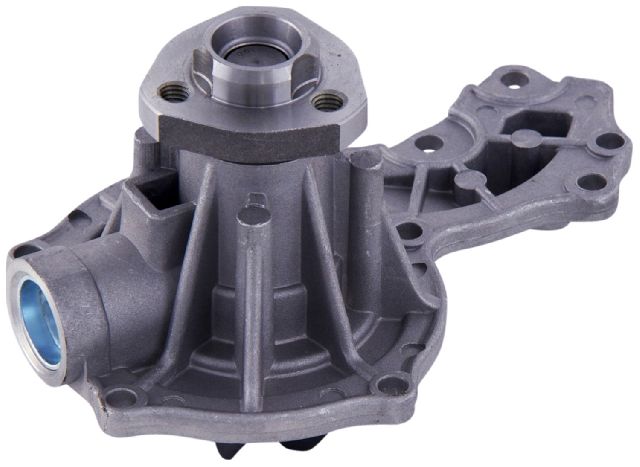
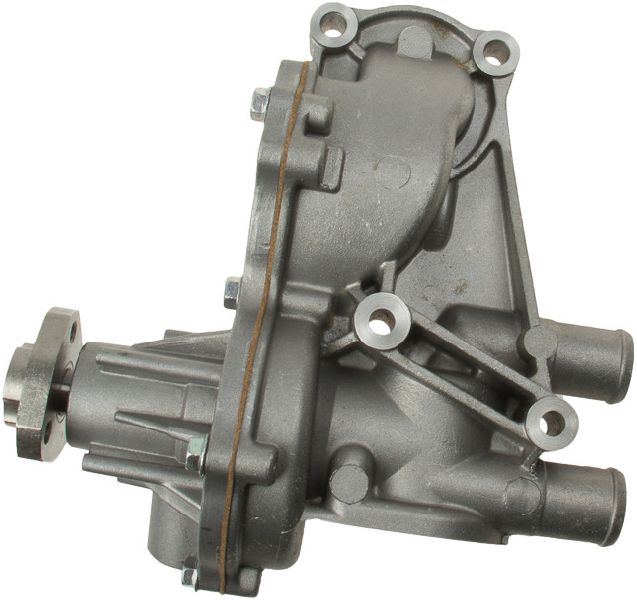
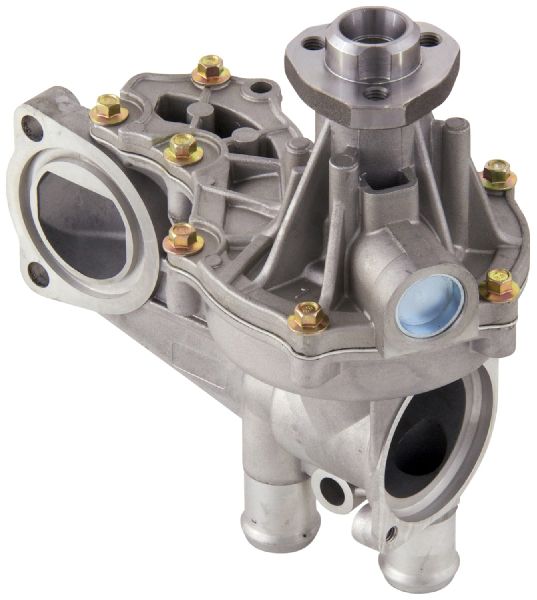
The water pump for the 1980-1984 Jetta is driven by an external V-belt, not the timing belt. It typically features a 30mm hub. The pump housing is cast aluminum and bolts directly to the engine block.
We Have This Part in Stock

The information in this article is provided for general reference and educational purposes only. Vehicle specifications, procedures, and part compatibility can vary by production date, trim level, and region. Always consult your vehicle's factory service manual and verify part numbers before purchasing or performing repairs. Safety-critical components such as airbags, seat belts, and braking systems should be installed by a qualified professional.
- Volkswagen Jetta:
- 🛍️ Shop This Part
- Is Your Jetta's Water Pump Failing?
- Choosing the Right Aftermarket Water Pump
- Pro Tip: Metal vs. Plastic Impellers
- Premium Brands (OEM Quality or Better)
- Mid-Grade / Reputable Aftermarket Brands
- Economy Brands
- A Note on "OEM" Parts
- Estimated Costs
- Frequently Asked Questions
- 🎟️ Get 5% Off