

Choosing the Right Oxygen Sensor for Your 1980-1984 Volkswagen Jetta
Keep your classic Jetta's fuel system happy with the correct oxygen sensor.
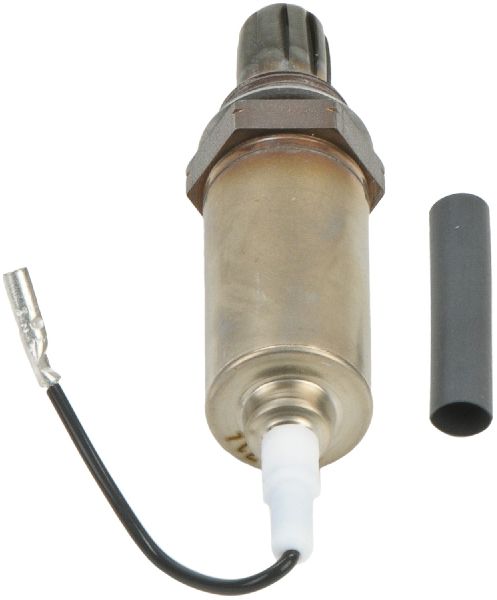
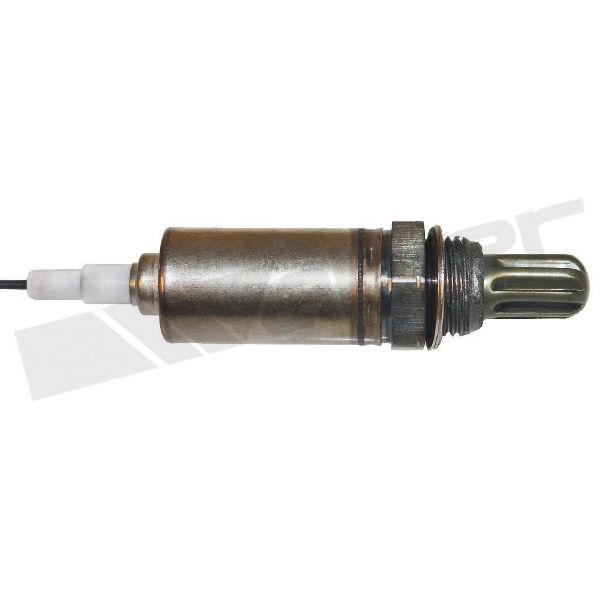
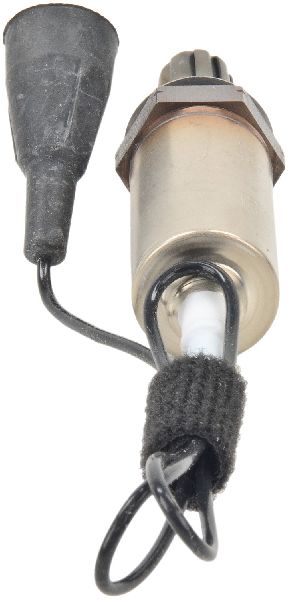
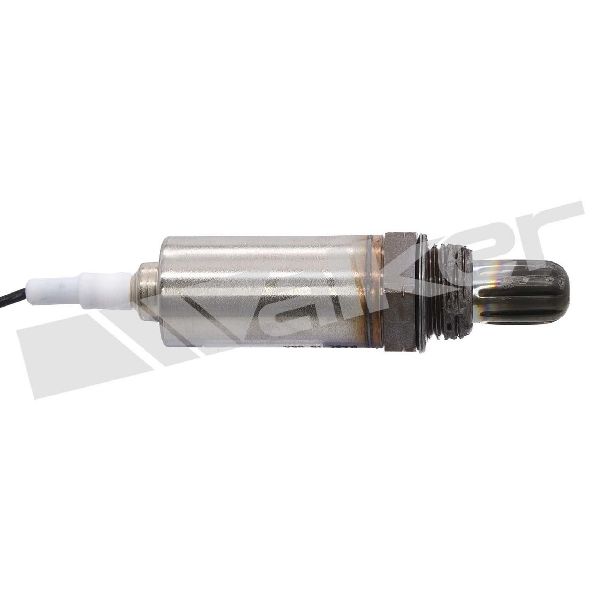
- The 1980-1984 Jetta uses a single-wire, unheated oxygen sensor specific to its CIS-Lambda fuel system.
- Bosch was the original equipment manufacturer and is the most recommended brand for a reliable replacement.
- Primary symptoms of failure are poor gas mileage, rough idle, and failing an emissions test.
- Replacement is a manageable DIY task, but the old sensor can be difficult to remove without the proper socket and penetrating oil.
Understanding the Oxygen Sensor in Your Mk1 Jetta
The first-generation Volkswagen Jetta uses a specific type of fuel injection called Bosch CIS-Lambda. This system relies on a single-wire, unheated oxygen sensor to provide feedback for adjusting the fuel mixture. Unlike modern cars with multiple sensors, your Jetta has just one, making its job critical. When it works correctly, it helps the engine run efficiently. When it fails, it can cause a number of noticeable problems. Because these are unheated sensors, they have a recommended replacement interval of every 30,000 to 50,000 miles.
Symptoms of a Failing Oxygen Sensor
A bad oxygen sensor usually won't stop you from driving, but it will cause performance and efficiency issues. Here’s what to look for:
- Poor Fuel Economy: This is the most common sign. A failing sensor often causes the system to run rich, meaning it uses more fuel than necessary.
- Rough Idle: Your engine might idle unevenly or hunt for a steady RPM as the fuel mixture fluctuates.
- Failed Emissions Test: The oxygen sensor is essential for controlling emissions. A bad sensor will almost certainly cause your Jetta to fail a smog test.
- "OXS" Light: Some of these Jettas are equipped with an "OXS" light on the dashboard. This is a simple service reminder that turns on after a set number of miles (e.g., 30,000) to tell you it's time to replace the oxygen sensor. It does not mean the sensor has necessarily failed, but it is a reminder for this routine maintenance item.
- Rotten Egg Smell: A very rich fuel mixture can cause a sulfur or "rotten egg" smell from the exhaust.
Don't Ignore the Symptoms
🎬 See a breakdown of the top symptoms you shouldn't ignore.While you can drive with a bad oxygen sensor, it's not recommended. Running a rich fuel mixture for a long time can lead to other problems, including premature failure of your catalytic converter, which is a much more expensive repair.
Choosing the Right Aftermarket Oxygen Sensor
For a vintage vehicle like the 1980-1984 Jetta, choosing the right brand is important for ensuring compatibility and performance. Bosch was the original equipment manufacturer (OEM) for many Volkswagen parts of this era, including the fuel system components.
Aftermarket Brand Tiers
| Tier | Brands | Quality & Performance |
|---|---|---|
| OEM-Equivalent | Bosch | As the likely original supplier, Bosch is the safest and most recommended choice. It offers a direct fit and performance that meets or exceeds the original specifications. This is the best option for reliability. |
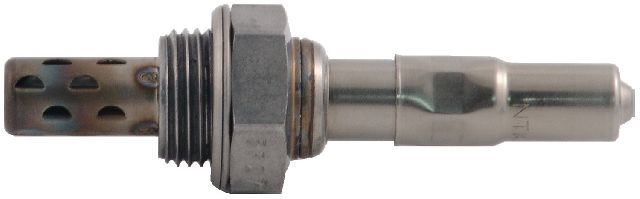
| Premium Aftermarket | NGK (NTK) | NGK, through its NTK brand, is a world-renowned manufacturer of oxygen sensors and is often an OEM supplier for many automakers. They are a very strong alternative to Bosch, known for high quality and durability. |
| Standard Aftermarket | Walker Products, Spectra | These brands provide a cost-effective solution. They are engineered to be OE replacements and are a good option if budget is the main concern. For a daily driver or a car you want to keep running without the expense of premium parts, these are a viable choice. |
Pro Tip: Get the Right Tool
Oxygen sensors can be very tight and are often in awkward locations. An oxygen sensor socket, which has a slot for the wire, makes removal and installation much easier. A 22mm or 7/8" size is typically required. Applying anti-seize compound to the threads of the new sensor (if not already applied) is also crucial to make future replacement easier.
Frequently Asked Questions
What does the oxygen sensor do on my old Jetta?
It measures oxygen in your exhaust to help the CIS-Lambda fuel injection system fine-tune the air-fuel mixture. This helps you get the best possible fuel economy and keeps emissions low.
Is a Bosch sensor worth the extra cost?
For this specific vehicle, yes. Bosch invented the automotive oxygen sensor and was the original supplier for your Jetta's fuel system. Choosing Bosch ensures you are getting a part designed to work perfectly with the CIS-Lambda system, which can be sensitive to incorrect parts.
Can I replace the oxygen sensor myself?
Yes, this is a DIY-friendly job 🎬 Watch: This step-by-step guide shows you how to replace the sensor. for most home mechanics. The main challenge is often the old sensor being seized in the exhaust pipe due to age and rust. Using penetrating oil beforehand and having the correct oxygen sensor socket are key to success.
What is the "OXS" light on my dash? 🎬 Watch: Learn how these vintage VW mileage timers actually work.
The "OXS" light is a service interval indicator, not a fault light. It comes on after a certain number of miles (typically 30,000) to remind you to replace the oxygen sensor as part of routine maintenance.
Is there a recall on the oxygen sensor for this Jetta?
No, there are no specific recalls for the oxygen sensor on the 1980-1984 Volkswagen Jetta. Searches on the NHTSA database and other recall lists show recalls for other items like fuel supply and brakes, but not the oxygen sensor itself.
Helpful Videos
![Bad O2 Sensor Symptoms Downstream & Upstream [Oxygen Sensor Failure and Causes] How to fix & Replace](https://img.youtube.com/vi/b-xxdBlikSA/mqdefault.jpg)
Technical Specifications
OEM Part Numbers: 025906265 321906263B
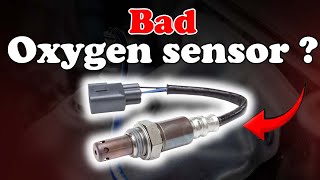
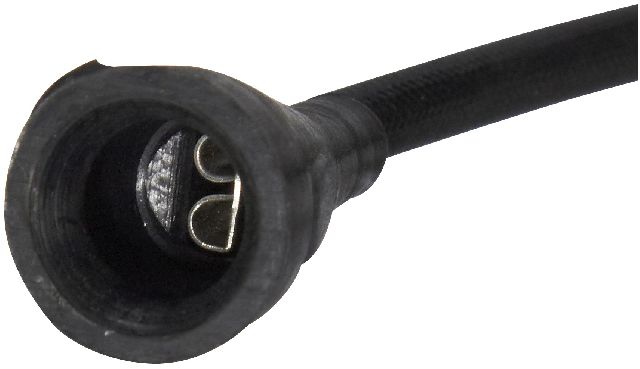
Single wire (1), unheated, narrow-band, M18x1.5 thread size.
We Have This Part in Stock

The information in this article is provided for general reference and educational purposes only. Vehicle specifications, procedures, and part compatibility can vary by production date, trim level, and region. Always consult your vehicle's factory service manual and verify part numbers before purchasing or performing repairs. Safety-critical components such as airbags, seat belts, and braking systems should be installed by a qualified professional.
- Volkswagen Jetta: