

Chevrolet Impala Carburetor Replacement Guide for 1980-1985 Models
Everything you need to know before replacing the carburetor on your 1980-1985 Chevrolet Impala.
- The original computer-controlled Rochester Quadrajet (E4ME) is notoriously complex and prone to failure with age; many owners opt for a simpler aftermarket replacement.
- Replacing the E4ME with a non-computerized carb (like Edelbrock or Holley) requires also replacing the distributor with a non-computerized version.
- For a stock 305 V8, a 500-600 CFM carburetor is the recommended size for good street performance and fuel economy.
- Symptoms like rough idle, black smoke, poor acceleration, and bad gas mileage are strong indicators of a failing carburetor.
Is Your Impala's Carburetor Failing?
A bad carburetor can cause a range of problems, from annoying to serious. If you notice your Impala running poorly, the carburetor is a common part to check. These vehicles are now 40+ years old, and the original carburetors can wear out, get clogged, or simply fail from age.
Key Symptoms of a Bad Carburetor:
- Poor Engine Performance: You might feel a general lack of power, sluggish acceleration, or hesitation when you press the gas pedal.
- Rough Idle: The engine may shake, sputter, or sound unstable when the car is stopped.
- Difficulty Starting: A failing carburetor can make it hard to start the engine, especially when it's cold, because the air-fuel mixture isn't right for combustion.
- Black Exhaust Smoke: If you see black smoke coming from the tailpipe, it's a sign that the carburetor is sending too much fuel into the engine (running "rich"). This wastes gas and can damage spark plugs.
- Reduced Fuel Economy: A noticeable drop in your miles per gallon (MPG) can mean the carburetor is no longer mixing fuel and air efficiently.
- Engine Backfiring: A lean mixture (too much air, not enough fuel) can cause the engine to backfire or overheat as it works harder.
The Computer-Controlled Quadrajet Issue
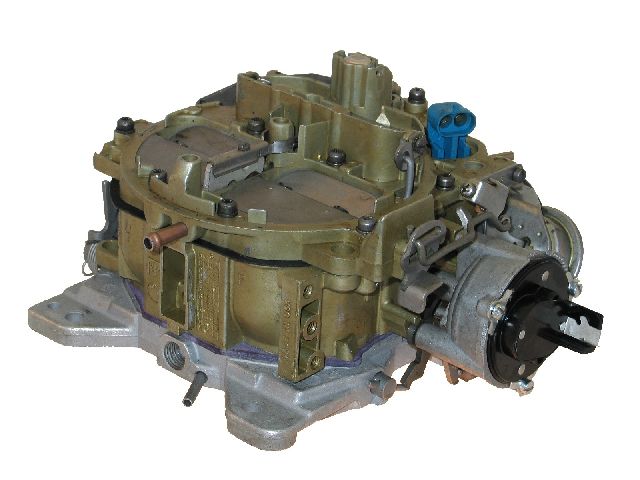
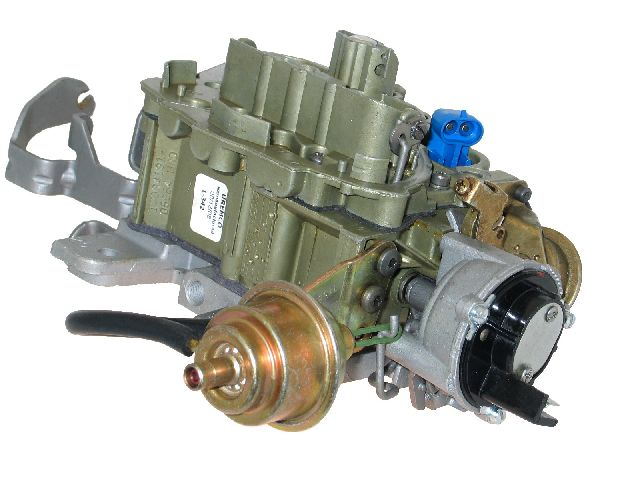
Many 1980-1985 Impalas were equipped with a Rochester Quadrajet E4ME carburetor. This was an early electronic, computer-controlled carburetor (CCC system). While advanced for its time, these systems are now old and can be very complex to diagnose and repair. Common problems include failing sensors, solenoids, and internal leaks. Many owners choose to replace the entire computer-controlled system with a simpler, non-electronic aftermarket carburetor for better reliability and easier tuning.
Choosing the Right Aftermarket Carburetor
For a vehicle of this age, new OEM carburetors are generally not available. Aftermarket options are plentiful and often provide an upgrade in performance and simplicity. The main choice is between a direct-fit remanufactured unit or a new universal performance carburetor.
| Brand Tier | Brands | Typical Use Case | Notes |
|---|---|---|---|
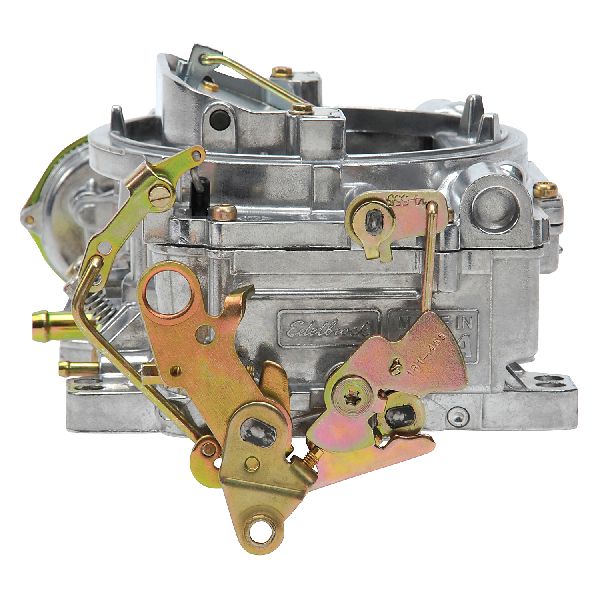
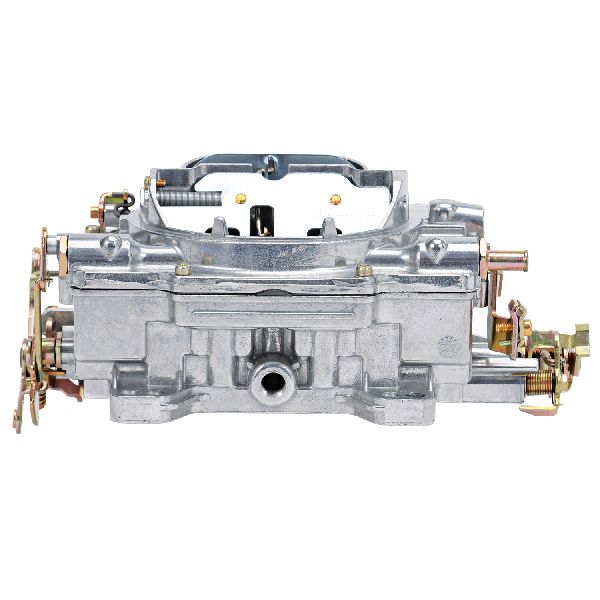
| Performance Upgrade | Edelbrock, Holley | Owners looking to improve performance and simplify their engine by removing the computer controls. | These are new, high-quality carburetors known for reliability and easy tuning. Often requires a non-computer-controlled distributor and other minor modifications to work correctly. Edelbrock's Performer series (like the 1406 model) is a popular choice for street performance and fuel economy. |
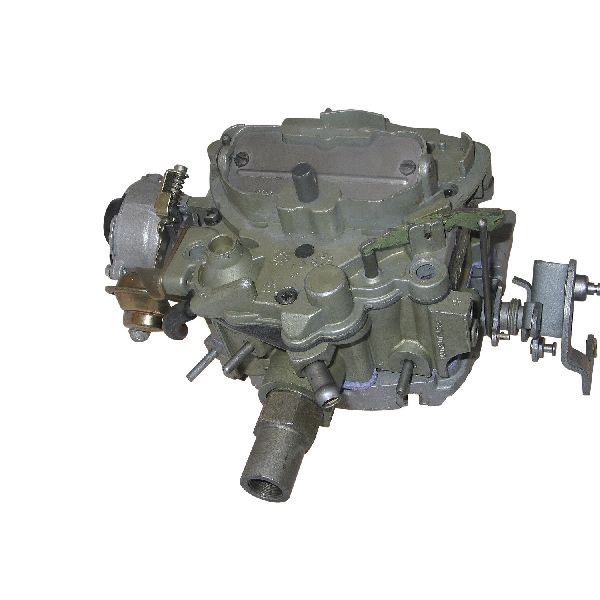
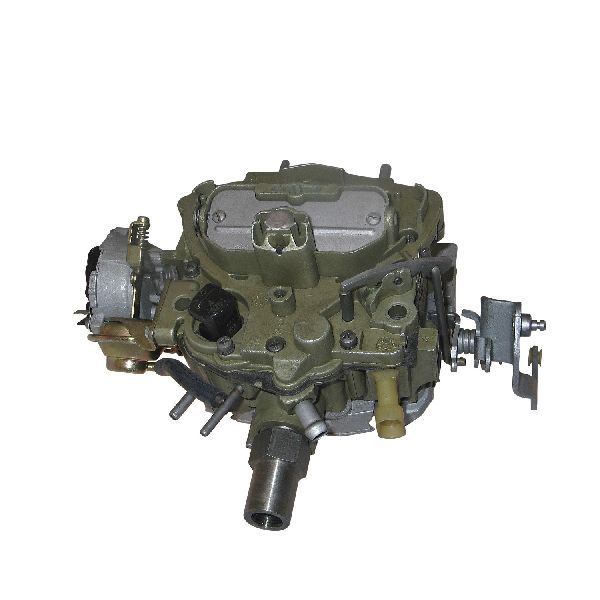
| Remanufactured OEM-Style | Uremco | Owners who want a direct replacement to keep the vehicle as original as possible, including the computer control system. | Uremco specializes in remanufacturing carburetors to original specifications. Quality can be inconsistent, with some users reporting issues like leaks or incorrect adjustments out of the box. However, they can be a good option if you get a well-rebuilt unit. |
Pro Tip: CFM Rating Matters
When choosing a Holley or Edelbrock carb, pay attention to the CFM (Cubic Feet per Minute) rating. For a stock or mildly modified 305 V8 engine common in these Impalas, a carburetor rated between 500 and 600 CFM is usually recommended. A carb that is too large can result in poor performance and fuel economy.
Frequently Asked Questions
Can I replace my computer-controlled carburetor with a simpler, non-computer one?
Yes, this is a very common modification. To do it correctly, you will also need to replace the computer-controlled distributor with a traditional vacuum/mechanical advance distributor (like an HEI). You may also need an adapter plate to mount the new carburetor to the stock intake manifold and adjustments for the transmission's TV cable if you have an automatic overdrive.
Are there any recalls on the 1980-1985 Impala carburetor?
Searches of the National Highway Traffic Safety Administration (NHTSA) database did not show any specific recalls for the carburetor on the 1980-1985 Chevrolet Impala. Most issues today are related to age and wear rather than a manufacturing defect.
Is it better to rebuild my original carburetor or buy a new one?
Rebuilding an original Rochester Quadrajet can be a good option if the carburetor is in decent shape and you have the skills. Rebuild kits are available. However, these carburetors can have issues like warped bodies or worn throttle shafts that a simple kit won't fix. For many, especially those with the complex E4ME computer-controlled carb, replacing it with a new aftermarket unit like an Edelbrock or Holley is a more reliable and less frustrating long-term solution.
What is the difference between a 2-barrel and a 4-barrel carburetor?
A carburetor has "barrels" or venturis, which are the passages air and fuel flow through. A 2-barrel carburetor has two, while a 4-barrel has four. The V8 engines in the 1980-1985 Impala typically used a 4-barrel Rochester Quadrajet. The Quadrajet is a "spreadbore" design with small primary barrels for fuel economy during normal driving and large secondary barrels that open for extra power during hard acceleration.
Technical Specifications
Original carburetor for V8 models was typically a Rochester Quadrajet 4-barrel (4bbl), often the electronically controlled E4ME model. Aftermarket replacements are typically 4-barrel with square bore or spreadbore flange types. Recommended CFM for stock V8 engines is 500-600.
We Have This Part in Stock

The information in this article is provided for general reference and educational purposes only. Vehicle specifications, procedures, and part compatibility can vary by production date, trim level, and region. Always consult your vehicle's factory service manual and verify part numbers before purchasing or performing repairs. Safety-critical components such as airbags, seat belts, and braking systems should be installed by a qualified professional.
- Chevrolet Impala: