

Ford E-350 Econoline (1980-1985) Electric Fuel Pump Guide
Keep your classic Ford van running reliably by understanding its fuel pump needs.
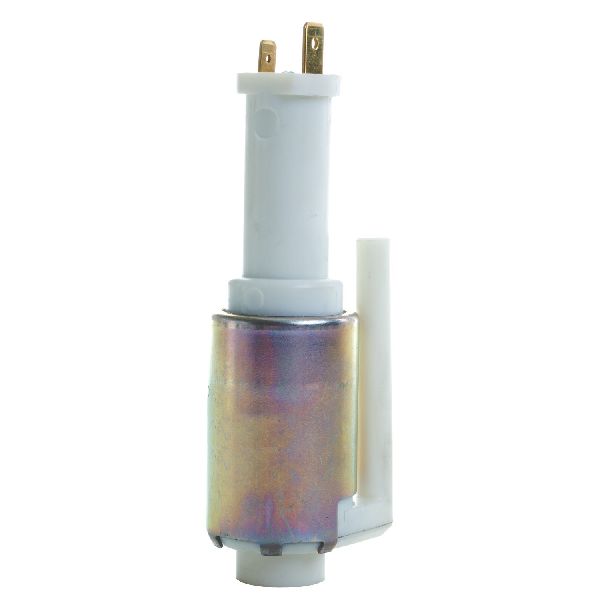
- Your van requires a low-pressure (4-7 PSI) electric fuel pump suitable for a carbureted engine.
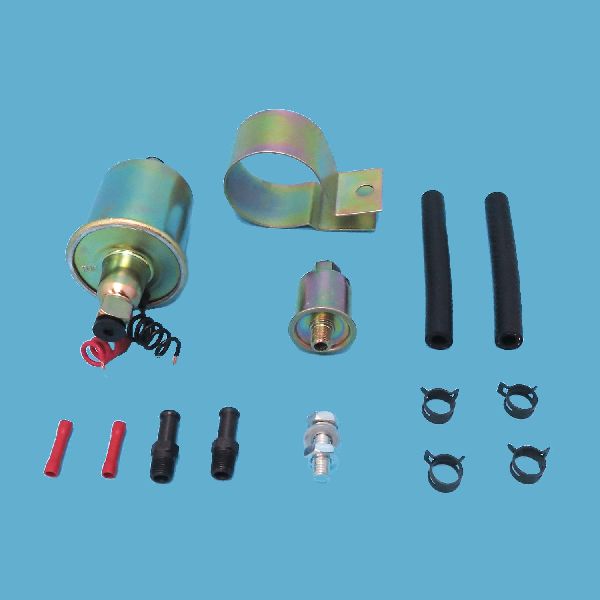
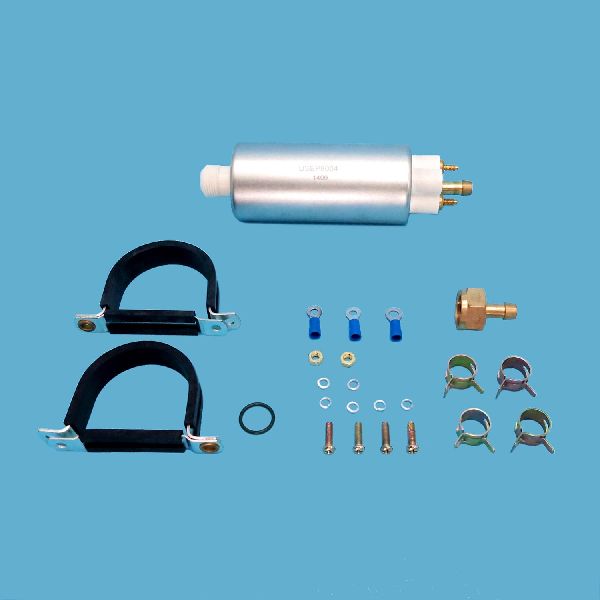
- Most models from this era use an external frame-mounted pump, which is easier to replace than an in-tank unit.
- For reliability, brands like Carter and Delphi are well-regarded in the aftermarket.
- Always replace the fuel filter at the same time as the pump to protect your new part and ensure proper fuel flow.
Signs of a Failing Electric Fuel Pump
A worn-out fuel pump on your E-350 will give you some clear warning signs. Because these vans have carbureted engines, the symptoms might be slightly different from modern fuel-injected vehicles. You'll want to pay attention to these clues to avoid being stranded.
- Engine Sputtering or Hesitation: One of the most common signs is the engine sputtering, especially under load like going uphill or accelerating. This happens because the pump can't supply enough fuel to meet the engine's demand.
- Difficulty Starting: A weak pump will struggle to get enough fuel to the carburetor to start the engine. You might find yourself cranking the engine for a long time before it finally starts.
- Engine Stalls: The engine may start and run for a short while, then stall unexpectedly, especially when it gets hot. This can be caused by an overheating pump motor.
- Loss of Power: Your van might feel sluggish and lack its usual power. This is a classic symptom of fuel starvation.
- Loud Whining Noise: While some older external pumps are naturally noisy, a pump that becomes suddenly louder or makes a high-pitched whining sound is often a sign that its internal bearings are failing.
Don't Ignore the Signs
A failing fuel pump won't fix itself. What starts as a minor hesitation can quickly become a complete failure, leaving your van unable to start. Addressing the issue early is the best way to ensure your E-350 stays on the road.
Choosing the Right Aftermarket Fuel Pump
For a vehicle from the early 1980s, finding an original Ford (OEM) fuel pump is highly unlikely. The aftermarket is your best and most practical source. The key is to choose a quality brand to ensure reliability. The brands available fall into different tiers of quality and reputation.
Brand Quality Tiers
Based on owner feedback and general industry reputation, here’s how the available brands stack up:
- Tier 1 (Good Quality & Reputation): Delphi and Carter are often recommended as reliable aftermarket choices. Delphi is a well-known OE manufacturer for many car brands, and their aftermarket parts are generally built to high standards. Carter has a long history in the fuel system business and is known for making dependable pumps, especially for carbureted applications.
- Tier 2 (Standard / Mid-Range): US Motor Works and AutoBest are solid mid-range options. US Motor Works promotes its use of quality materials and testing procedures. AutoBest is also a common aftermarket brand, though some users on forums like Reddit have mixed opinions on its longevity compared to premium brands.
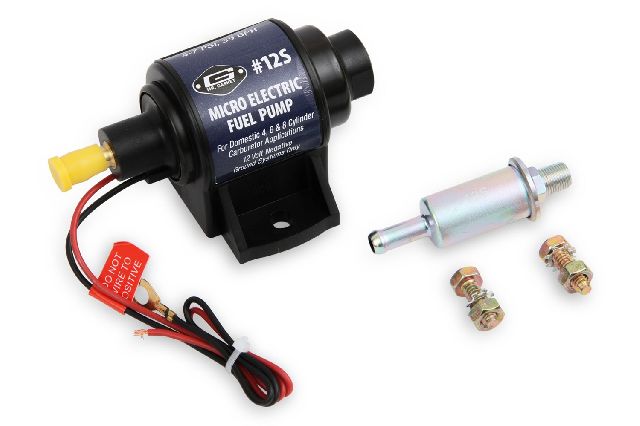
- Tier 3 (Economy / Universal): Mr. Gasket often falls into the economy or universal-fit category. While popular for custom projects and readily available, some owners report mixed experiences with longevity, with some experiencing failures relatively quickly. These pumps can be a budget-friendly short-term solution, but may not be the best choice if long-term reliability is your top priority.
Pro Tip: Check Your System
Your 1980-1985 E-350 could have one or two fuel tanks. If you have dual tanks, there is a selector valve that switches between them. Make sure your replacement pump is compatible with your specific setup. Some owners use a single external pump placed before the tank selector valve.
Known Issues, Recalls, and Service Bulletins
For vehicles of this age, most original recalls would have been addressed decades ago. However, some historical issues are worth noting:
- NHTSA Recall 87V133000: This 1987 recall affected some 1983-1987 E-350 models with the 7.5L engine. It noted that severe duty use could cause high fuel system pressures, potentially leading to fuel expulsion when removing the gas cap. While the recall is old, it highlights the importance of a properly functioning and vented fuel system.
- Aftermarket Part Recall (2007): Federal-Mogul issued a recall (NHTSA Campaign ID 07E068000) for aftermarket fuel pumps sold under several brand names, including Carter. The recall concerned a diaphragm issue that could cause fuel leaks. This underscores the importance of buying from reputable dealers to ensure you get recent, non-recalled stock.
- No Relevant TSBs: Searches for Technical Service Bulletins (TSBs) specific to the electric fuel pump on these models did not yield any relevant results, which is common for vehicles of this vintage.
Cost of Replacement
Here is a general breakdown of what to expect in terms of cost. Labor costs can vary significantly based on your location and the specific mechanic.
| Part Type | Cost Range | Notes |
|---|---|---|
| New Aftermarket Pump | $52.98 - $93.60 | This is the price for the pump itself. Brands like Delphi and Carter may be at the higher end of this range. |
| Shop Labor | $100 - $250 | An external frame-mounted pump is relatively easy to access. Expect 1-2 hours of labor. |
| Total Professional Replacement | $150 - $350+ | Total cost for parts and professional installation. |
Frequently Asked Questions (FAQ)
Can I replace the fuel pump myself?
Yes, for many DIYers this is a manageable job. Most 1980-1985 E-350s use an external pump mounted to the frame rail, which is much easier to access than an in-tank pump. You will need basic hand tools, a way to safely lift the vehicle, and proper safety gear to handle gasoline. Always disconnect the battery and relieve any fuel pressure before starting.
Is my fuel pump in the tank or on the frame?
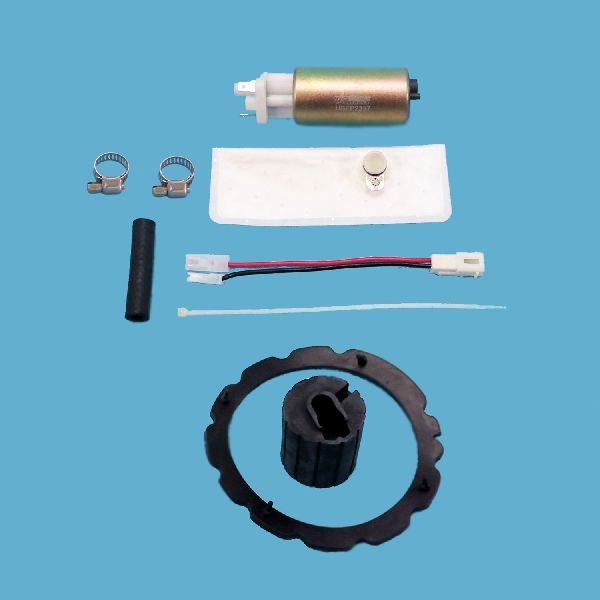
Most carbureted E-350s from this era use an external, frame-mounted electric pump. However, some models, particularly later in the year range or those with specific engine options, could have in-tank pumps, especially if equipped with dual tanks. It is crucial to visually inspect your van's frame rails and fuel tank area to confirm the location before ordering parts.
What's the difference between a low-pressure and high-pressure pump?
Your carbureted E-350 requires a low-pressure pump, typically operating between 4-7 PSI. Modern fuel-injected vehicles use high-pressure pumps (40-60 PSI or more). Installing a high-pressure pump on a carbureted engine will overpower the carburetor's needle and seat, causing it to flood with fuel. Always ensure you are buying a low-pressure pump designed for carbureted applications.
What else should I replace with the fuel pump?
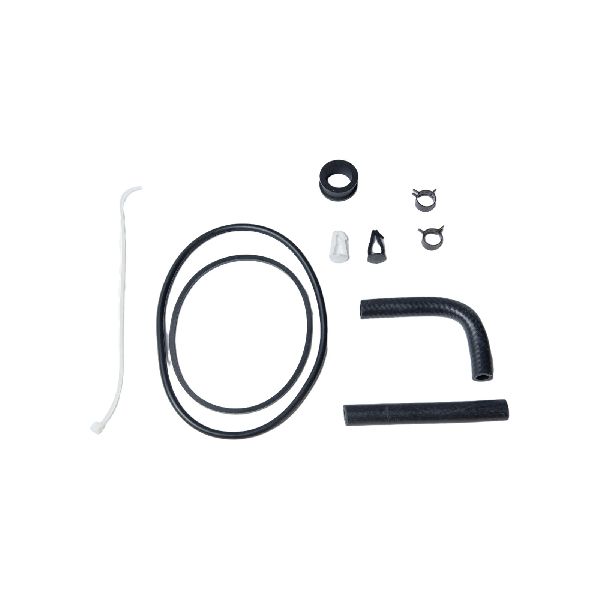
It is highly recommended to replace the fuel filter whenever you replace the fuel pump. A clogged filter can restrict flow and cause the new pump to work harder and fail prematurely. Also, inspect the rubber fuel lines for any cracks or brittleness and replace them as needed. On a vehicle this old, checking electrical grounds is also a smart move 🎬 See how a bad grounding strap can mimic pump failure.; a bad ground can mimic a failed pump.
Helpful Videos
Technical Specifications
Pump Type: Electric, External Frame Mount (most common) Pressure Requirement: Low Pressure (approx. 4-7 PSI) Voltage: 12V Negative Ground System Compatibility: Carbureted Engines
We Have This Part in Stock

The information in this article is provided for general reference and educational purposes only. Vehicle specifications, procedures, and part compatibility can vary by production date, trim level, and region. Always consult your vehicle's factory service manual and verify part numbers before purchasing or performing repairs. Safety-critical components such as airbags, seat belts, and braking systems should be installed by a qualified professional.
- Ford E-350 Econoline: